How to Import Korean Cars
- Why Korean used cars: Korea exports 350,000+ used vehicles annually with the world’s most-developed inspection and grading system — Hyundai and Kia dominate African and Caribbean imports for their durability and parts availability
- Age limits matter: Ghana penalizes vehicles older than 10 years; Nigeria bans imports older than 12 years; Kenya caps at 8 years; UK and Australia have model-year and right-hand-drive restrictions
- Real total cost: A typical Korean used Toyota-equivalent (Hyundai Elantra / Kia Cerato) lands in Ghana at $5,500–$8,500 all-in, in Nigeria at $7,000–$13,000 all-in, and in Kenya at $6,500–$10,000 all-in for vehicles aged 5–8 years
- Buy verified, not unseen: Use a verified-vehicle service like SK AutoSphere with document inspection, condition assessment, and pricing transparency before deposit — direct Korean auction purchases without inspection are the leading cause of import disputes
Korea has become the world’s most-structured used-car export market. Roughly 350,000 vehicles leave Korean ports each year bound for Africa, the Caribbean, Eastern Europe, the Middle East, and Oceania.
The reasons are consistent across destinations: Korean cars are well-maintained, regulator-graded, and competitively priced against Japanese and European used vehicles of similar age.
This guide walks through the full import pipeline — the export-ready inspection system, the specific duty rates by country in 2026, the six-step process from vehicle search to local registration, and the common mistakes that turn cheap headline prices into expensive surprises at port.
The short version
- t market through three primary channels: domestic auction houses (a Korean auction house), independent export dealers concentrated around Incheon and Pyeongtaek, and direct manufacturer programs from a manufacturer-run auction house and Kia.
- Three structural factors drive the choice: Build quality and resale durability.
- Every destination country has its own rule set.
- Step 1: Vehicle Search and Verification This is where most import deals succeed or fail.
The Korean Used Car Export Pipeline
Korean used cars enter the export market through three primary channels: domestic auction houses (a Korean auction house), independent export dealers concentrated around Incheon and Pyeongtaek, and direct manufacturer programs from a manufacturer-run auction house and Kia.
Each vehicle is graded on the Korea Used Car Standard, a five-tier scoring system covering exterior, interior, mechanical condition, accident history, and documented mileage. Grade-1 vehicles are showroom condition; grade-5 vehicles are functional but with visible wear.
Most exports to Africa are grades 3–4 — solid mechanical condition with cosmetic-only wear at price points 30–50% below new.
The four main export ports are Incheon (largest, closest to Seoul auctions), Pyeongtaek (Hyundai/Kia origin), Busan (high-volume, southern), and Mokpo (specialty/heavy vehicles). Shipping is RoRo (roll-on, roll-off) for individual vehicles and containerised for high-value or low-volume cargo.
Why African and Overseas Buyers Choose Korean Used Cars
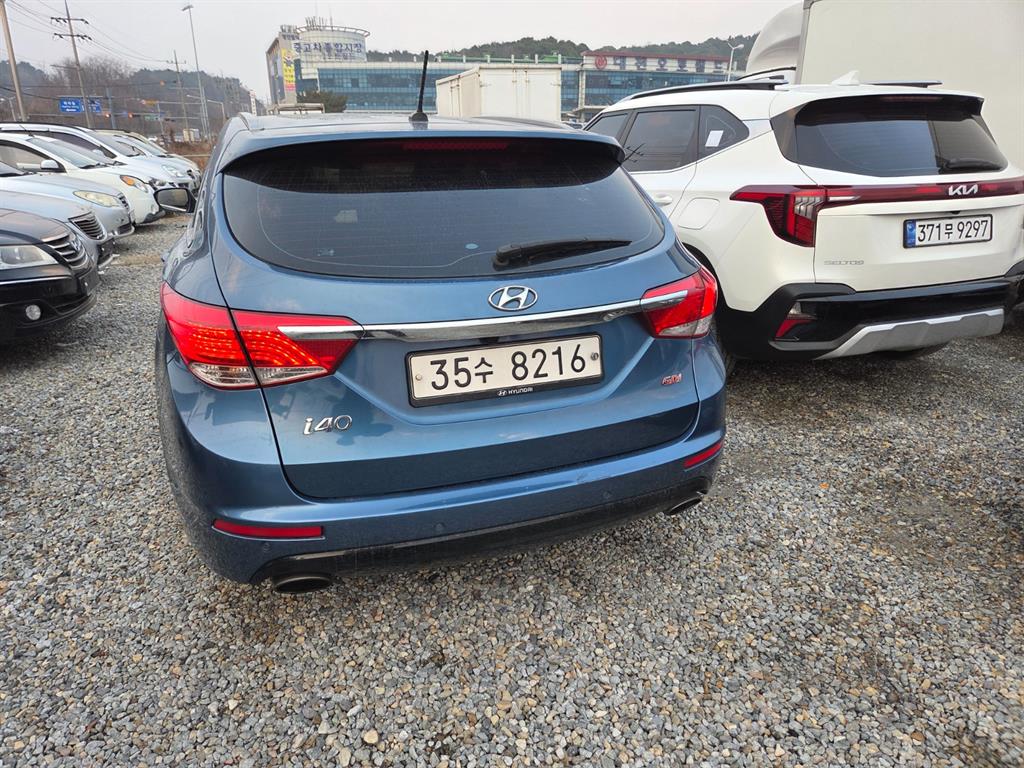
Three structural factors drive the choice:
Build quality and resale durability. Korean OEMs build with export markets specifically in mind. Hyundai and Kia engines routinely deliver 250,000–350,000 km of service life with normal maintenance — important in markets where vehicles serve longer than they would in Europe or Japan.
Parts availability. Hyundai and Kia have established parts networks across most major African capitals, all Caribbean islands, and every English-speaking export market. Toyota still leads in parts depth, but the Korean OEM gap closed significantly between 2015 and 2025.
Cost positioning vs Japanese equivalents. Korean used vehicles typically price 10–20% below comparable Japanese used vehicles of similar age and grade. For dealers operating on thin margins (UK, Caribbean) or buyers managing import duty as a percentage of vehicle value, that difference is meaningful.
| Model | Type | Best Export Markets | Typical FOB Korea (5yr, grade 3–4) |
|---|---|---|---|
| Hyundai Elantra (Avante) | Compact sedan | Ghana, Nigeria, Kenya, Caribbean | $5,000–$8,000 |
| Kia Cerato (Forte) | Compact sedan | All African markets, UK | $4,500–$7,500 |
| Hyundai Tucson | Compact SUV | Kenya, Tanzania, RSA, Caribbean | $7,500–$12,000 |
| Kia Sportage | Compact SUV | Nigeria, Ghana, Uganda | $7,000–$11,500 |
| Hyundai Santa Fe | Mid SUV | All African markets | $9,000–$15,000 |
| Kia Sorento | Mid SUV | Nigeria, Kenya, RSA, UAE | $9,500–$14,500 |
| Kia Carnival (Sedona) | 7-seat MPV | Nigeria, Ghana, Mozambique, Caribbean | $8,500–$15,000 |
| Hyundai Sonata | Mid sedan | Caribbean, RSA, Eastern Europe | $6,500–$11,000 |
| Kia Picanto (Morning) | City car | Ghana, Kenya, RSA | $3,000–$5,500 |
Prices are FOB Korea (free on board, before shipping and duty). Add roughly $1,200–$2,500 for shipping depending on destination, then the destination-country duty calculation on top.
Import Duty and Age Limits by Country
Every destination country has its own rule set. The four variables that matter most: import duty rate, VAT, age limit, and overage penalties for older vehicles.
Ghana (2026)
- VAT: 15% under Act 1151, fully enforced via ICUMS
- Age limit: No outright ban — but vehicles older than 10 years incur an overage penalty of 5–100% on CIF (Cost + Insurance + Freight) value, calculated against original MSRP minus depreciation
- Port: Tema (primary)
- Release time: Green channel 3–7 working days, yellow 5–11 days, red 10–21 days
- Calculation tool: Official ICUMS portal or third-party calculators like AutoDutyChecker
Nigeria (2026)
- Import duty: 35% on CIF Naira value
- Surcharge: 7% on the duty amount
- VAT: 7.5% on the sum of CIF + Duty + Surcharge + Levy + CISS + ETLS
- Age limit: Prohibits used passenger vehicles older than 12 years from year of manufacture
- Port: Lagos (Tin Can Island, Apapa) primary
- Total cost range typical: $5,000–$15,000 depending on vehicle category and age
Kenya (2026)
- Import duty: 25% on CIF
- Excise duty: 20% on CIF + import duty (varies by engine size)
- VAT: 16% on CIF + import duty + excise
- Age limit: 8 years maximum from year of manufacture
- Port: Mombasa
- Inspection: KEBS pre-export inspection required (JEVIC, QISJ, or EAA)
Other Key African Markets
- Tanzania: 25% import duty + 18% VAT, 8-year age limit, Dar es Salaam port
- Uganda: 25% import duty + 18% VAT, 15-year age limit (more permissive than coastal countries)
- South Africa: Highly restrictive — ITAC permits required, generally favors local production. Used imports rare except for collectors and dealer-licensed operations
- Mozambique: 30% duty + 17% VAT, 5-year age limit on sedans, 10-year on SUVs
- DRC: 20% duty + 16% VAT, no strict age limit but high informal fees at port
Right-Hand-Drive Markets (UK, Australia, NZ, Caribbean Subsets)
- UK: 10% import duty + 20% VAT — but only Korean cars built RHD will pass type approval. Most cars exported from Korea are left-hand-drive; UK-eligible stock is limited
- Australia: Standard 5% import duty + 10% GST. Strict ADR compliance — most Korean used cars require approval as enthusiast vehicles only
- Caribbean: Duty rates vary 20–45% by island; right-hand-drive required in Jamaica, Trinidad, Barbados; left-hand-drive in Dominican Republic, Puerto Rico, Cuba
The Six-Step Import Process
Step 1: Vehicle Search and Verification
This is where most import deals succeed or fail. The vehicle you see in auction listings or dealer photos may not be the vehicle that arrives at your port.
Verification means: confirming chassis VIN against Korean registration records, validating the accident history through the Korean domestic listing market databases, checking mileage authenticity against transmission record, and confirming the export certificate is genuine.
Buying through a verified-vehicle service is the safest path. Direct purchase from Korean auctions without inspection is the leading cause of dispute claims — undisclosed accident history, rolled-back odometers, and post-photo damage are the most common issues.
Step 2: Quote and Deposit
The complete quote should itemise: vehicle price (FOB), shipping cost (RoRo or container), insurance, expected destination-country duty, port handling, and the exporter’s commission. Vague all-in quotes hide where the margin really sits. Deposit is typically 20–30% on confirmation, balance on Bill of Lading issuance.
Step 3: Shipping and Bill of Lading
Once the vehicle is delivered to the export port (Incheon, Busan, Pyeongtaek, or Mokpo), it loads onto a RoRo vessel. Transit times: 30–45 days to West Africa, 25–35 days to East Africa, 35–55 days to Caribbean, 50–70 days to UK/Northern Europe.
The Bill of Lading is the legal title to the vehicle in transit — protect it carefully.
Step 4: Destination-Country Customs Clearance
Clearance requires: Bill of Lading (original), export certificate from Korea, commercial invoice, packing list, insurance certificate, and the destination country’s import permit (where applicable). Most African ports require a local clearing agent — budget $200–$600 for agent fees on top of official duties.
Step 5: Duty Payment and Port Release
Duty must be paid before the vehicle is released from the port. In Ghana this happens through ICUMS, in Nigeria through Nicis, in Kenya through KRA’s iCMS. Pay duty as soon as the vehicle arrives at port — every day of demurrage (port storage) adds $30–$80 in fees.
Step 6: Local Registration and Plates
Once released, the vehicle goes to your country’s road transport authority for inspection, emissions testing where applicable, registration, and number plates. Budget another 7–14 days for this step depending on country. Some countries (Ghana, Kenya) require an additional roadworthiness certificate before plates issue.
“The total time from auction purchase to road-registered ownership at the destination averages 60–90 days for African markets and 90–120 days for Caribbean and Northern European imports — plan financing and timing around that window, not the headline shipping duration.”
AI-Verified Purchase vs Direct Auction
Two purchase paths exist: direct Korean auction bidding through a broker, or working with a verified-vehicle service that pre-inspects and grades stock before offering it to buyers.
Direct auction is cheaper at the headline level (no inspection premium) but riskier. You’re bidding on photos and a brief grade sheet, often with hours of decision time. Mistakes are expensive and hard to reverse — Korean auctions don’t refund based on disclosed grade defects.
Verified-vehicle services add a 5–10% premium for the inspection and condition guarantee, but the dispute rate is 8–10× lower. For first-time importers and dealers building reputation in local markets, the premium is almost always worth it.
For experienced importers with their own inspection contractors in Korea, direct auction can be more cost-effective.
Common Mistakes Importers Make
1. Buying above the age limit. A vehicle older than your country’s import ceiling either cannot enter the country or pays penalty duty that destroys the margin. Always check destination-country age rules first, vehicle quality second.
2. Ignoring the engine type for taxation. Many countries scale duty by engine size or CC. A 2.0L Tucson lands very differently from a 2.4L Tucson in Kenya or Tanzania. The CC line on the export certificate matters.
3. Underbudgeting port fees and demurrage. Beyond official duties, plan $300–$800 for port handling, clearing agent, and inspection fees. Delays from missing paperwork can add $30–$80 per day in storage.
4. Trusting odometer figures without verification. Korean odometer fraud is rarer than Japanese or European-market fraud but not absent. Cross-check mileage against the Korean domestic listing market history records and transmission fluid record dates.
5. Choosing the cheapest shipping option blindly. RoRo is cheaper than container but exposes the vehicle to handling damage. For high-value vehicles (Sorento, Santa Fe, Carnival), the $400–$700 container premium is often worth the protection.
6. Skipping pre-export inspection in markets that require it. Kenya, Tanzania, Uganda, and several other African countries require pre-export inspection certificates from approved bodies (JEVIC, QISJ, EAA). Vehicles arriving without these certificates are rejected at port.
7. No backup plan for currency volatility. Most Korean exporters quote in USD. If your local currency drops 10% between deposit and final payment, the deal gets expensive. Lock in exchange rates with your bank where possible.
Real Total Cost Examples by Market
Approximate landed cost for a 2020 Hyundai Tucson 2.0L, grade 3.5, 70,000 km — one of the most-imported configurations across markets:
| Destination | FOB Korea | Shipping + Insurance | Duty + VAT | Port + Registration | Total Landed |
|---|---|---|---|---|---|
| Ghana (Tema) | $7,500–11,500 | $1,000–2,000 | ~$2,500–4,000 | $500–900 | ~$11,000–18,000 |
| Nigeria (Lagos) | $7,500–11,500 | $1,000–2,000 | ~$4,000–6,500 | $700–1,100 | ~$13,000–21,000 |
| Kenya (Mombasa) | $7,500–11,500 | $1,000–2,000 | ~$4,500–7,000 | $500–800 | ~$13,000–21,000 |
| Tanzania (Dar) | $7,500–11,500 | $1,000–2,000 | ~$4,000–6,500 | $400–800 | ~$13,000–21,000 |
| UK (Felixstowe) | $7,500–11,500 | $1,500–2,500 | ~$2,500–4,500 | $300–600 | ~$12,000–19,000 |
These are illustrative figures based on publicly available 2026 duty data. Your actual costs vary with vehicle specifications, port operator fees, currency movements, and individual clearing-agent margins.
Frequently Asked Questions
Can I import a Korean used car directly without going through a dealer?
Yes — most African and Caribbean countries allow individual imports for personal use. Commercial bulk import usually requires a registered dealer licence in the destination country. For first-time importers, working with a verified-vehicle service significantly reduces risk versus buying direct from a Korean auction unseen.
What is the average age range of Korean cars exported for African markets?
The bulk of African-bound Korean exports are 4–9 years old at the time of shipment. Anything older risks running into age limits at destination; anything newer typically holds enough residual value to be sold domestically in Korea first.
Are Hyundai and Kia genuinely more reliable than European used alternatives at the same price?
For 2015-onwards model years, yes — across multiple consumer reliability indices and African-market field data, Hyundai and Kia run 15–30% lower lifetime maintenance cost than equivalent VW, Renault, or Peugeot models. Parts availability in African capitals is also significantly better than for European used vehicles.
How long does the full import process take from auction win to road-registered ownership?
60–90 days for most African markets, 90–120 days for the UK and Caribbean. The longest single phase is shipping (30–55 days at sea), followed by customs clearance (5–21 days depending on country and channel).
What happens if my vehicle arrives damaged?
This is what shipping insurance covers — never decline insurance for the $200–$400 savings. RoRo shipping has a measurable rate of cosmetic damage. Document any damage with photos before leaving the port, file a claim within 7 days, and your insurance should cover repair or refund up to insured value.
Can I finance a Korean used car import?
Most destination-country banks offer used-car loans but usually only after registration, not for the import deposit itself. Personal loans and trade-finance facilities are the common alternative for the import phase. Some verified-vehicle services offer staged-payment options that reduce upfront capital requirements.
Where can I see real verified Korean used cars before deciding?
Browse current verified-vehicle inventory on SK AutoSphere — each listing includes AI-assisted condition assessment, document intelligence verification, regional Pricing Oracle benchmarks, and operator-reviewed quality control. Individual buyers see clean retail listings; professional dealers can register for the Command Center with bulk analytics and dealer-tier pricing.
Last updated: May 2026
Sourcing Korean stock for your next container? Tell us the destination port, the model year you are targeting and the spec, and we come back with matched units and a landed figure per unit. Start at SK AutoSphere, or browse the parts catalogue.