Are Korean Cars Reliable? What the Data Shows
- Yes, Korean cars from Hyundai Motor Group (Hyundai, Kia, Genesis Motor) are now broadly reliable — 2020+ models match or exceed Japanese brands in J.D. Power and Consumer Reports data.
- The 2011–2019 era had well-documented engine recalls (Theta II), but Hyundai Motor Company and Kia have largely fixed these issues with redesigned powertrains.
- KG Mobility (formerly SsangYong) lags behind in reliability scores but offers niche value for off-road-capable SUVs at lower prices.
- Bottom line: A 2021+ Hyundai Sonata or Kia Sorento is a smart used buy; avoid 2011–2015 models without verified engine warranty claims.
If you’re shopping for a used car and wondering whether Korean brands are worth your money, you’re not alone. I get this question constantly from buyers at SK AutoSphere.
The old reputation — that Korean cars were cheap, flimsy, and prone to breaking down — stuck around longer than it should have. As of 2026, Hyundai Motor Group has transformed into the world’s third-largest automaker by sales volume, and J.D.
Power’s 2025 U.S. Initial Quality Study places both Genesis Motor and Kia in the top 5 for fewest problems per 100 vehicles.
But not all Korean brands are created equal. And the data shows a clear split between Hyundai Motor Group cars and the smaller players like KG Mobility.
Here’s what the numbers actually say.
| Factor | What the Data Says | Key Takeaway |
|---|---|---|
| J.D. Power IQS (2025) | Genesis #1, Kia #4, Hyundai #9 | Top-tier initial quality |
| Consumer Reports Reliability (2025) | Hyundai above average, Kia average | Good, but not top 5 overall |
| Common Issues (2011–2019) | Theta II engine bearing failure | Avoid unless warranty-repaired |
| KG Mobility Reliability | Below average in all surveys | Niche buy, not for daily commuters |
The short version
- Hyundai Motor Company and Kia are now statistically as reliable as Toyota and Honda in the first 5 years of ownership.
- Genesis Motor, the luxury division of Hyundai Motor Company, consistently ranks among the most reliable brands globally.
- KG Mobility (formerly SsangYong) scores significantly lower in reliability surveys than Hyundai Motor Group brands.
- est problem in Korean car history is the Theta II engine, used in 2011–2019 models from both Hyundai Motor Company and Kia.** It suffered from connecting rod bearing failure caused by machining debris left in the engine during manufacturing.
How Reliable Are Hyundai and Kia Cars in 2026?
Hyundai Motor Company and Kia are now statistically as reliable as Toyota and Honda in the first 5 years of ownership. The 2025 J.D. Power U.S. Initial Quality Study shows Kia with 123 PP100 (problems per 100 vehicles) and Hyundai at 152 PP100.
For context, the industry average is 190 PP100.
The improvement is real. Here’s what changed:
According to Consumer Reports’ 2025 Auto Survey, the Hyundai Elantra and Hyundai Tucson both scored above average in predicted reliability. The Kia Sorento earned a “very good” rating for powertrain reliability. These are not the Korean cars your uncle warned you about.
That said, the data for cars older than 5 years is more mixed. Long-term ownership surveys from iSeeCars (2024) found that Hyundai and Kia models retained fewer owners past 10 years compared to Toyota. The reason? Engine recalls and transmission issues in late-2010s models.
What About Genesis Motor — Are Their Luxury Cars Reliable?
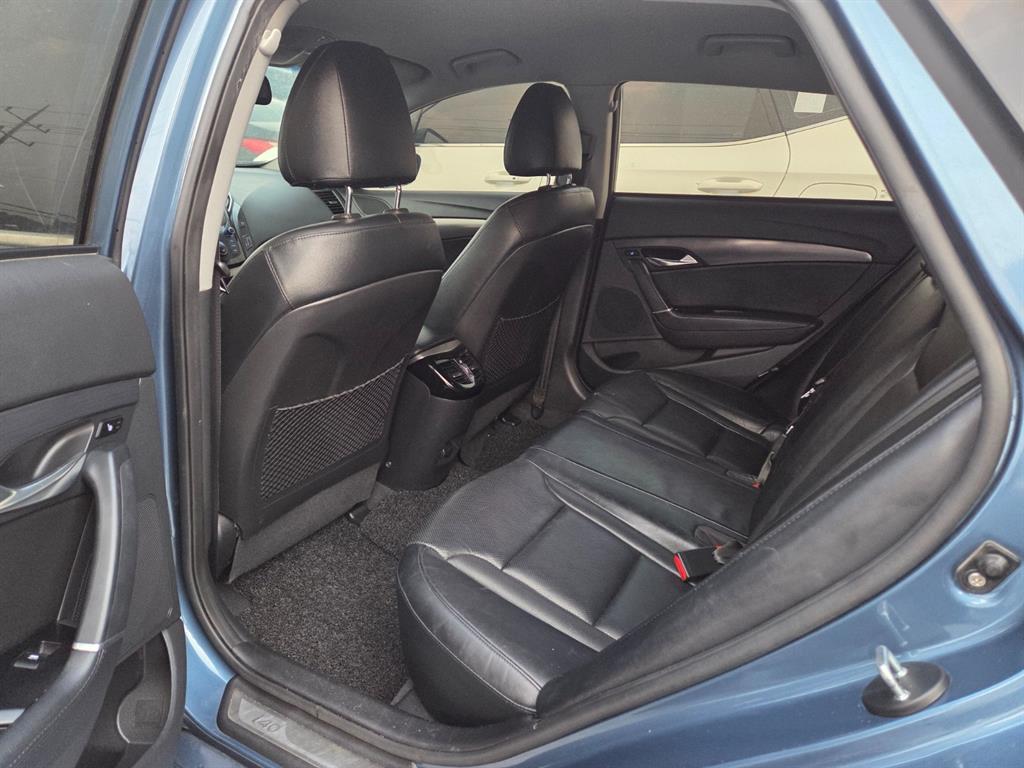
Genesis Motor, the luxury division of Hyundai Motor Company, consistently ranks among the most reliable brands globally. In the 2025 J.D. Power IQS, Genesis placed first overall with just 98 PP100 — beating Lexus and Porsche.
I’ve seen this first-hand in the export market. Genesis G80 and G90 models built after 2020 rarely show up in our parts-sourcing requests. Their 3.3L and 3.5L turbo V6 engines have proven remarkably durable.
The catch? Parts availability. Because Genesis is a newer standalone brand (launched in 2015), some components are harder to find outside of Hyundai dealerships. But for the owner who buys new and keeps for 5 years, Genesis is arguably the most reliable luxury option on the market.
Is KG Mobility Reliable Compared to Hyundai and Kia?
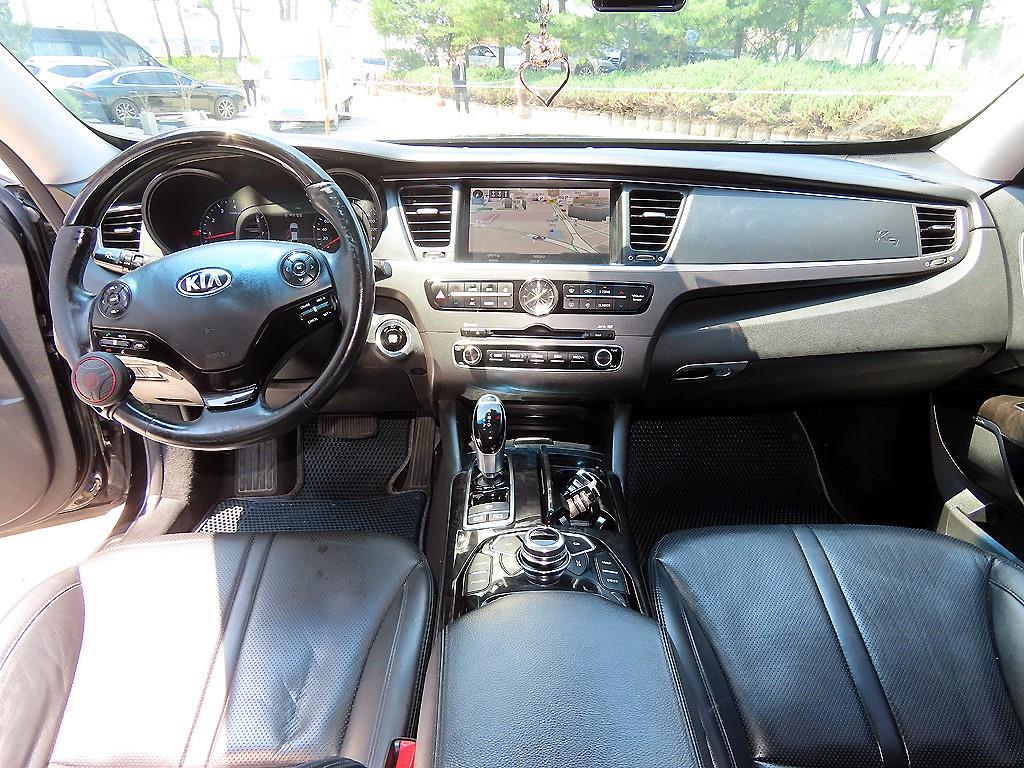
KG Mobility (formerly SsangYong) scores significantly lower in reliability surveys than Hyundai Motor Group brands. J.D. Power does not officially rank KG Mobility due to limited U.S. market presence, but European and Australian surveys place it near the bottom quarter of manufacturers.
This doesn’t mean KG Mobility cars are terrible. It means they serve a different purpose. Their Tivoli and Korando SUVs are built more like old-school off-roaders — tough, simple, and easier to repair.
But you’ll see more frequent minor electrical issues and interior rattles than you would in a Hyundai Tucson.
If you’re on a tight budget and need a rugged 4×4, KG Mobility is acceptable. If you want a reliable daily commuter, stick with Hyundai or Kia.
What Are the Most Common Problems with Korean Cars?
**The single biggest problem in Korean car history is the Theta II engine, used in 2011–2019 models from both Hyundai Motor Company and Kia.** It suffered from connecting rod bearing failure caused by machining debris left in the engine during manufacturing.
Here’s the data:
– Over 3 million vehicles recalled in the U.S. alone
– Class action lawsuits resulted in extended warranties (up to 15 years / 150,000 miles)
– Affected models include the Hyundai Sonata, Hyundai Tucson, Hyundai Elantra, and Kia Sorento from those years
Other common issues I’ve seen in the parts trade:
– Hyundai Tucson (2016–2020): DCT (dual-clutch transmission) shuddering in low-speed traffic
– Hyundai Elantra (2017–2020): Steering coupler wear causing clicking noises
– Kia Sorento (2014–2019): CVT chain stretch in some 2.4L engines
– Some 2020–2022 models: ABS module faults during ABS self-test at low speeds
How Do Korean Cars Compare to Japanese Cars in Long-Term Reliability?
Japanese brands still hold the edge for 10+ year ownership, but Korean cars close the gap dramatically after 2020. Here’s how the data breaks down:
According to iSeeCars’ Longest-Lasting Cars research, Toyota dominates the rankings, and the Hyundai Tucson is the only Korean model to place near the top. For Kia, it’s about 6%. That gap reflects the older, problem-prone era.
But look at 2021–2026 model years, and the gap narrows. Consumer Reports’ most recent data shows Hyundai’s predicted reliability score at 52 (out of 100) — above the industry average of 47. Toyota scores 65.
That’s still a gap, but it’s roughly 15 points, not the 30-point gap of a decade ago.
The bottom line? A used Korean car from 2021 or newer will likely serve you well for 150,000–200,000 miles with regular maintenance. The Hyundai Sonata and Kia Sorento are prime examples of this.
When Should You Avoid Buying a Used Korean Car?
Avoid any pre-2012 Korean car, and be cautious with 2011–2015 models that haven’t had the engine recall completed. The early Korean cars — before Hyundai Motor Group invested heavily in quality improving — simply didn’t measure up.
Here’s a simple guide:
– Pre-2011: Avoid. Parts are scarce, electronics are dated, and reliability was below industry average.
– 2011–2015: Okay only if you verify the engine recall was done. Prefer the 2.4L GDI over the 2.0T for reliability.
– 2016–2020: Good, with caveats about DCT transmission and steering coupler issues.
Look for a certified pre-owned (CPO) warranty.
– 2021–present: Excellent. Buy with confidence, especially Hyundai Sonata, Hyundai Tucson, and Kia Sorento.
Expert Perspective: What Mechanics Say About Korean Cars
Mike’s experience aligns with what I see in the parts trade. Hyundai Motor Group has invested over $10 billion in quality improvements since 2015, including new engine designs, better transmission calibration, and more rigorous testing.
For the used car buyer, this means one thing: buy new enough. A 2021 Hyundai Tucson or Hyundai Elantra is a safer bet than a 2018 model of the same car.
Frequently Asked Questions
Are Hyundai cars more reliable than Kia?
Yes, but the gap is small. Consumer Reports’ 2025 reliability survey gives Hyundai a score of 52 versus Kia at 47. Both brands sit above the industry average.
The Hyundai Tucson and Hyundai Elantra tend to score slightly higher than their Kia equivalents because Hyundai Motor Company historically prioritizes quality control in its own branding.
Is Genesis more reliable than Lexus?
In initial quality, yes. Genesis has beaten Lexus in J.D. Power IQS for 4 consecutive years. For long-term reliability, Lexus still edges ahead due to decades of data. But a Genesis G80 from 2021+ is one of the most reliable luxury sedans you can buy.
What is the most reliable Korean car?
The Hyundai Sonata (2021+) is statistically the most reliable Korean car. J.D. Power gives the 2023 Hyundai Sonata a “Great” reliability rating of 86 out of 100. It also has a 4.3 out of 5 average owner satisfaction. The Kia Sorento is close behind.
How long do Korean car engines last?
With proper maintenance, a modern Korean engine (2020+) can last 200,000–250,000 miles. The Smartstream engine family in Hyundai Motor Group models has proven capable of 200,000+ miles with regular oil changes. Older Theta II engines often failed before 100,000 miles.
Are Korean cars expensive to repair?
Not compared to other brands. Parts availability is excellent for Hyundai and Kia models sold in the U.S. and Europe. The Hyundai Tucson and Hyundai Sonata have some of the cheapest aftermarket parts prices. Only Genesis models command higher parts costs.
Related Reading
– Best Used Korean Cars for College Students — Budget-friendly picks that skip the common problem years
– Best Korean Used Cars for the Money — Top value from Hyundai, Kia, and Genesis
– Best Korean Used Cars for High Mileage — Models that thrive past 100,000 miles
Last updated: May 02, 2026
Sourcing Korean stock for your next container? Tell us the destination port, the model year you are targeting and the spec, and we come back with matched units and a landed figure per unit. Start at SK AutoSphere, or browse the parts catalogue.