Financing a Korean Import: Hire-Purchase, Bank Loans, and the Financing Gap Nobody Talks About
Most guides to importing a Korean-sourced vehicle into West Africa assume the buyer is paying cash — wire the exporter, clear the port, drive away.
In practice, a large share of buyers in Accra, Lagos, and Abidjan are trying to finance the purchase, and the financing landscape for an imported used vehicle looks nothing like financing a locally-sold new car.
This is the part of the buying journey that gets skipped in shipping and customs explainers, and it’s often the actual bottleneck between a buyer finding the right Kia Sportage on the Korean domestic listing market and driving it home.
The short version
- IBTC in Nigeria; Ecobank and Fidelity Bank in Ghana — do offer asset-finance or “auto loan” products, but the underwriting model is built around dealership-sold, VIN-traceable, locally-titled vehicles with a dealer as guarantor.
- tures — where the financier holds title until the final installment clears — map better onto imported vehicles because the financier can require the vehicle to be registered in their name (or with a lien noted) before disbursing the balance.
- ypically anything under the equivalent of a mid-range sedan — savings and credit cooperatives (SACCOs in East Africa, credit unions attached to trade associations in West Africa) are a more realistic financing channel than a commercial bank.
- bank’s website often reflect their best-case tier: Whether the lender will accept a bill of lading and pre-clearance invoice as provisional collateral, or strictly requires the vehicle to already carry a local registration certificate.
Why bank auto loans mostly don’t reach imported used vehicles
Commercial banks across the region — GT Bank, Zenith Bank, and Stanbic IBTC in Nigeria; Ecobank and Fidelity Bank in Ghana — do offer asset-finance or “auto loan” products, but the underwriting model is built around dealership-sold, VIN-traceable, locally-titled vehicles with a dealer as guarantor.
An importer buying a specific unit off a Korean auction platform (the export-facing aggregators) before it has landed doesn’t fit that model:
- The bank can’t inspect collateral that’s still on a ship or still in a Korean auction yard.
- There’s no local dealer relationship to anchor the loan or repossess against on default.
- Loan tenors (often 12–36 months) assume the vehicle is registered and insured on day one, not sitting in customs bond for weeks.
The practical result: buyers rarely get a bank to finance the import transaction itself (the FOB price plus freight plus duty).
What banks will finance, more readily, is a vehicle that has already cleared customs, been registered, and is sitting on a dealer’s lot — which is why hire-purchase companies attached to established import/dealer operations (CFAO Motors’ financing arm is the most visible example in Francophone West Africa) end up filling the gap that pure-import buyers actually need filled.
Hire-purchase: the model that actually fits the import timeline
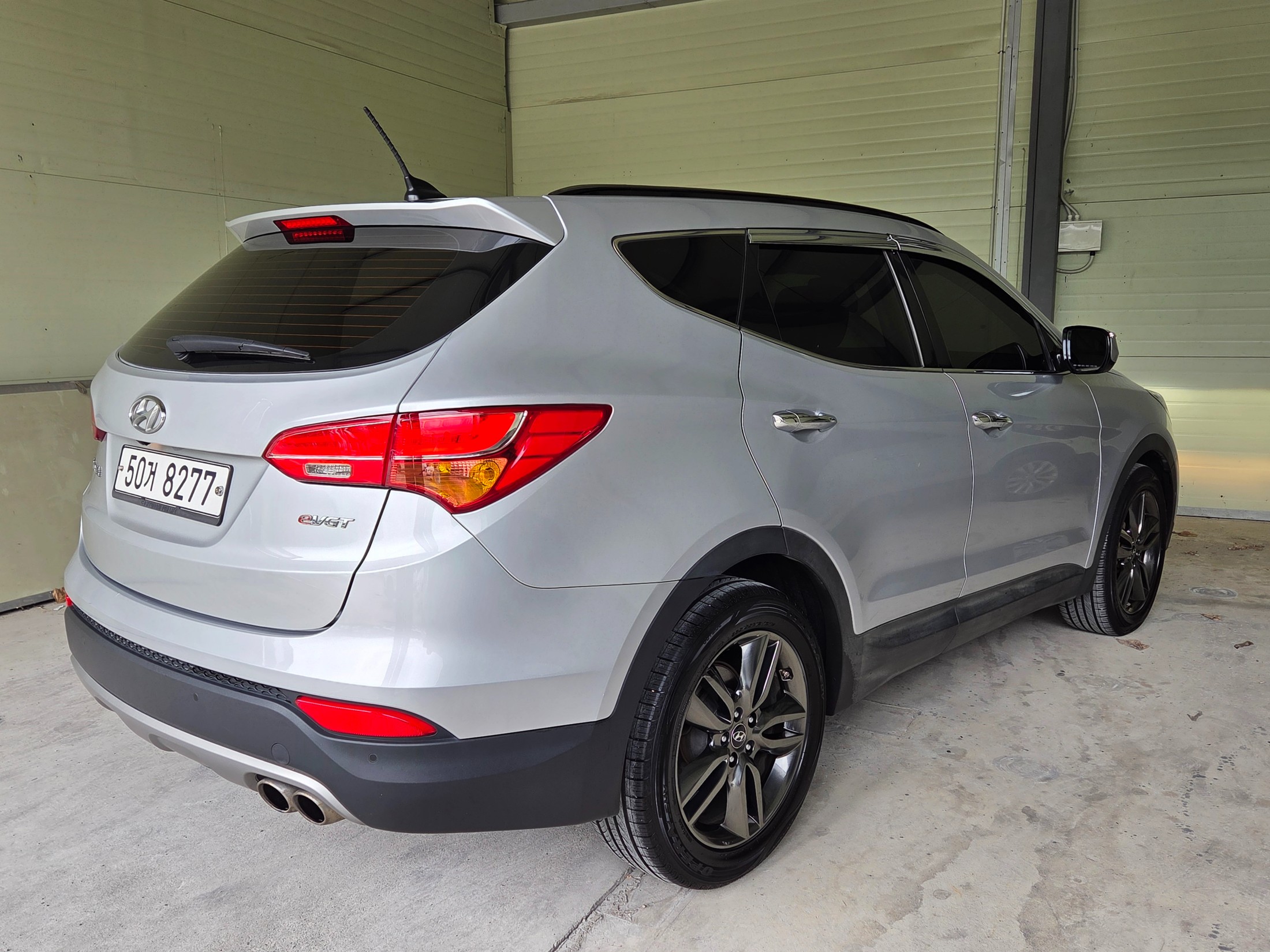
Hire-purchase (HP) structures — where the financier holds title until the final installment clears — map better onto imported vehicles because the financier can require the vehicle to be registered in their name (or with a lien noted) before disbursing the balance. The sequence importers actually use looks like this:
- Buyer puts down a deposit (commonly 30–40% of landed cost, not the FOB price — HP financiers price against the fully landed, cleared, registered value, not the export invoice).
- The exporter or import agent is paid in full upfront by the buyer’s own funds or a bridge arrangement — HP rarely finances the pre-clearance leg.
- Once the vehicle clears customs and is registered, the HP company disburses against it and the buyer starts installments against the landed value.
This means the financing gap isn’t “can I get a loan for a car” — it’s “who bridges the 6–10 week window between wiring the Korean seller and having a clearable, registerable asset a lender will touch.” Several buyers close that window with rotating savings groups (susu in Ghana, esusu/ajo in Nigeria, tontines in Francophone markets) rather than formal credit, precisely because informal lenders don’t require the asset to already be on the ground.
Where microfinance and cooperative lenders actually help
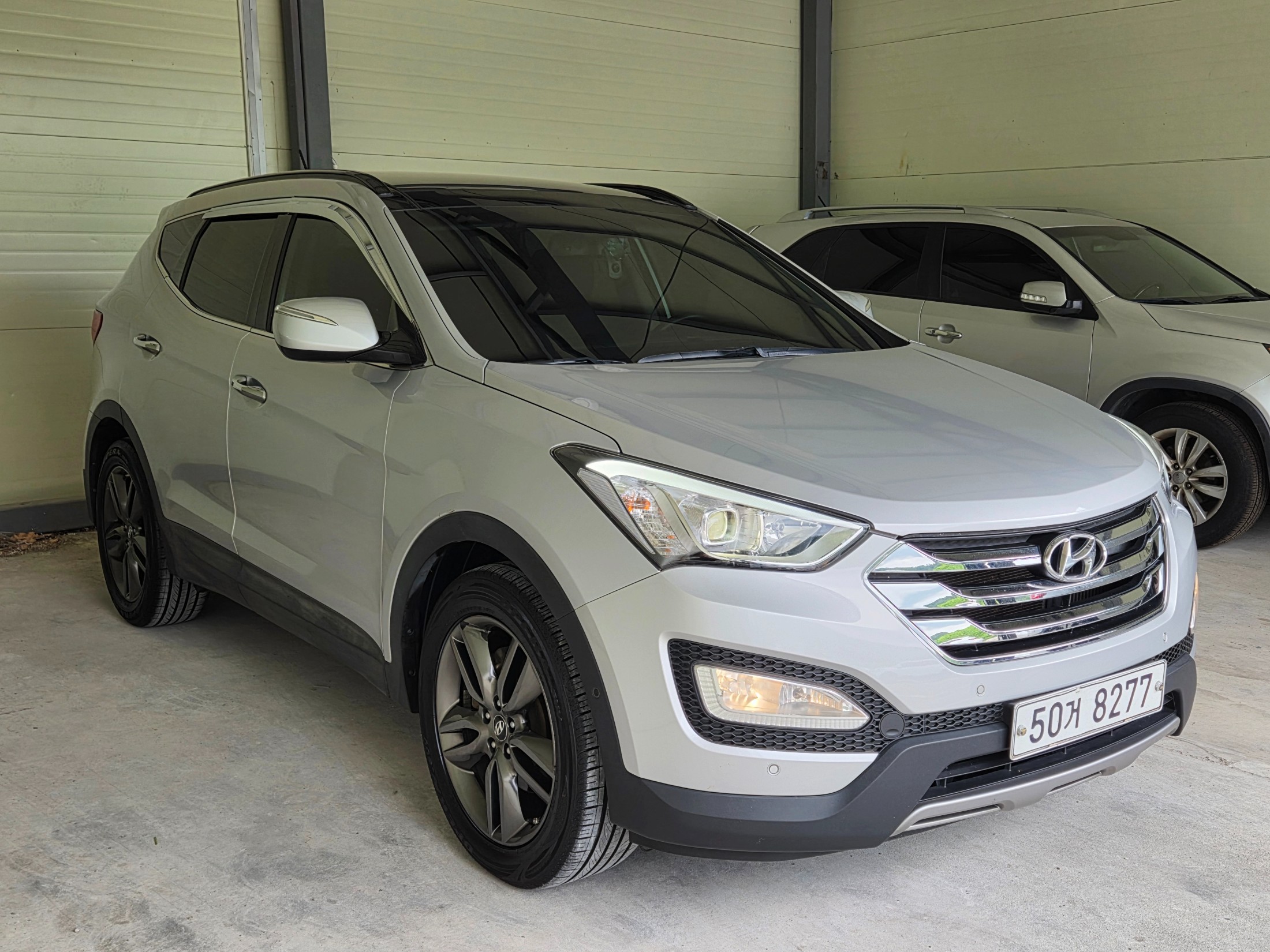
For buyers below the threshold banks and HP companies will touch — typically anything under the equivalent of a mid-range sedan — savings and credit cooperatives (SACCOs in East Africa, credit unions attached to trade associations in West Africa) are a more realistic financing channel than a commercial bank.
LAPO Microfinance Bank in Nigeria and comparable cooperative lenders in Ghana extend asset-backed micro-loans, but loan sizes and tenors are usually too small and short to cover a full Korean import — they’re more commonly used to finance the duty and clearing leg once a buyer has already paid for the vehicle itself, or to finance a commercial three-wheeler or light truck rather than a passenger SUV.
What a buyer should actually verify before assuming financing will work
Before counting on any of these paths, verify with the specific institution — terms shift faster than import guides get updated, and rates advertised on a bank’s website often reflect their best-case tier:
- Whether the lender will accept a bill of lading and pre-clearance invoice as provisional collateral, or strictly requires the vehicle to already carry a local registration certificate.
- Whether the down payment is calculated against landed cost (FOB + freight + duty + clearing fees) or just the export invoice — quoting one when the lender means the other is the single most common source of a financing plan falling apart mid-transaction.
- Whether HP interest is quoted as a flat rate on the original principal for the full term (common in this market) rather than a reducing-balance rate — a flat rate on the same nominal percentage costs meaningfully more over the loan term, and buyers comparing two HP quotes need to normalize this before comparing headline rates.
- Whether the lender requires comprehensive insurance (see the separate marine-cargo-insurance guide for the shipping leg, and note this is a different, post-registration policy) as a condition of disbursement, and who is named loss payee.
The honest bottom line
If a buyer needs financing to complete a Korean vehicle import, the workable path in most West African markets today is: self-fund or informally fund the purchase-and-shipping leg, then use hire-purchase or a bank asset-finance product to refinance against the vehicle after it clears customs and is registered locally.
Expecting a bank to finance the import transaction itself — the way one might finance a locally-sold car off a dealer lot — is the assumption that derails the most financing plans in this corridor, and it’s worth surfacing to a buyer before they commit a deposit assuming a loan will cover the rest.
This piece describes general financing structures observed in the market and is not financial advice; loan terms, down-payment requirements, and eligibility vary by institution and change over time — buyers should confirm current terms directly with the lender before committing funds.
Sourcing Korean stock for your next container? Tell us the destination port, the model year you are targeting and the spec, and we come back with matched units and a landed figure per unit. Start at SK AutoSphere, or browse the parts catalogue.