What Happens When Your Korean Import Gets Recalled After It Lands in Lagos or Tema?
You cleared customs. The vehicle registered fine at the DVLA or FRSC. Then, eight months later, you see a headline: Hyundai or Kia has issued a recall campaign on the exact model you just imported. Now what?
For a buyer who went through SK AutoSphere, an auction house in Incheon, or a private import broker, the honest answer is: nobody outside Korea is chasing you down to fix it, and the manufacturer’s warranty network you’d rely on in Seoul or Busan mostly doesn’t extend to Accra or Lagos.
This is the part of the Korea-to-Africa import pipeline that almost nobody explains before the sale.
The short version
- of Sonata, Optima, Sportage and Tucson production — was the subject of a multi-year, multi-campaign recall covering engine short-block replacement over connecting rod bearing wear that could lead to stalling or, in worst cases, engine fire.
- xtended coverage tied to recall campaigns, is administered through Korea’s own dealer network and reported to Korea’s Ministry of Land, Infrastructure and Transport (MOLIT) — which runs the country’s public recall database.
- Three things decide whether a recalled Korean import gets properly repaired in West Africa rather than limping along with a known defect: Whether the part is a global-spec part.
- s any manufacturer service-campaign stamps in the maintenance history — Korean auction sheets often do record dealer service visits, and a Theta II short-block replacement stamp is a good sign the recall was already actioned, not a red flag.
Recalls are real, and Korean brands have issued big ones
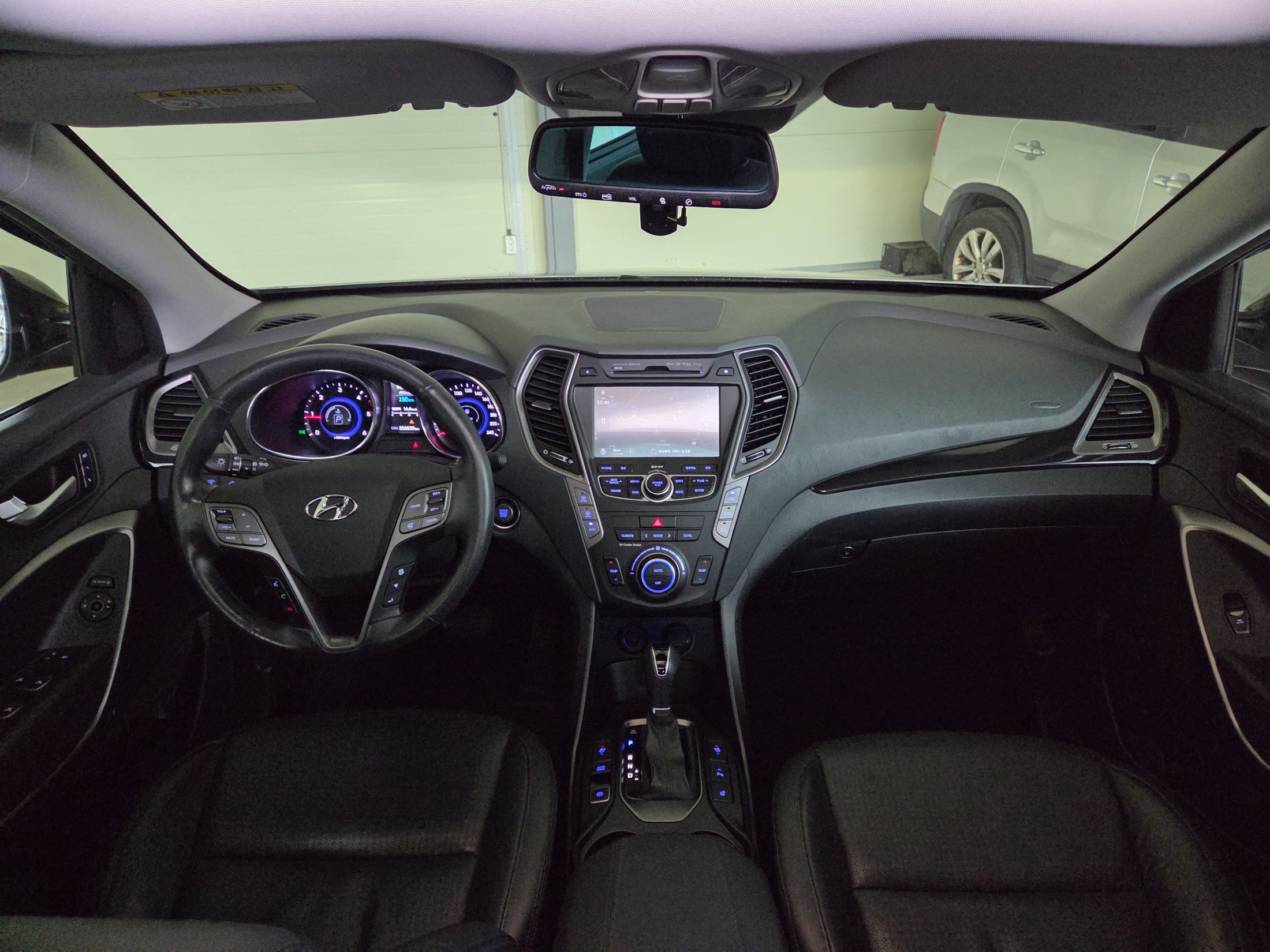
This isn’t a hypothetical risk.
Hyundai and Kia’s Theta II engine family — used across years of Sonata, Optima, Sportage and Tucson production — was the subject of a multi-year, multi-campaign recall covering engine short-block replacement over connecting rod bearing wear that could lead to stalling or, in worst cases, engine fire.
It ran across several separate NHTSA campaign numbers in the US market between 2015 and 2021, and Hyundai/Kia extended long “Lifetime Engine Warranty” coverage to affected owners in some markets as a result.
Separately, the Hyundai Kona Electric was recalled worldwide in 2020-2021 over a battery fire risk traced to a battery cell manufacturing defect at LG Energy Solution’s Nanjing plant — Hyundai’s response included a full battery pack replacement for affected units, one of the largest EV battery recalls before the wave that followed at other manufacturers.
If either of those model families is what you’re importing — and Sportage, Tucson and Sonata are three of the most common Korea-to-West-Africa export models — the recall isn’t a footnote.
It’s a real campaign, tied to a real VIN range, with a real fix a manufacturer somewhere already engineered.
The warranty gap: Korea’s domestic warranty doesn’t travel
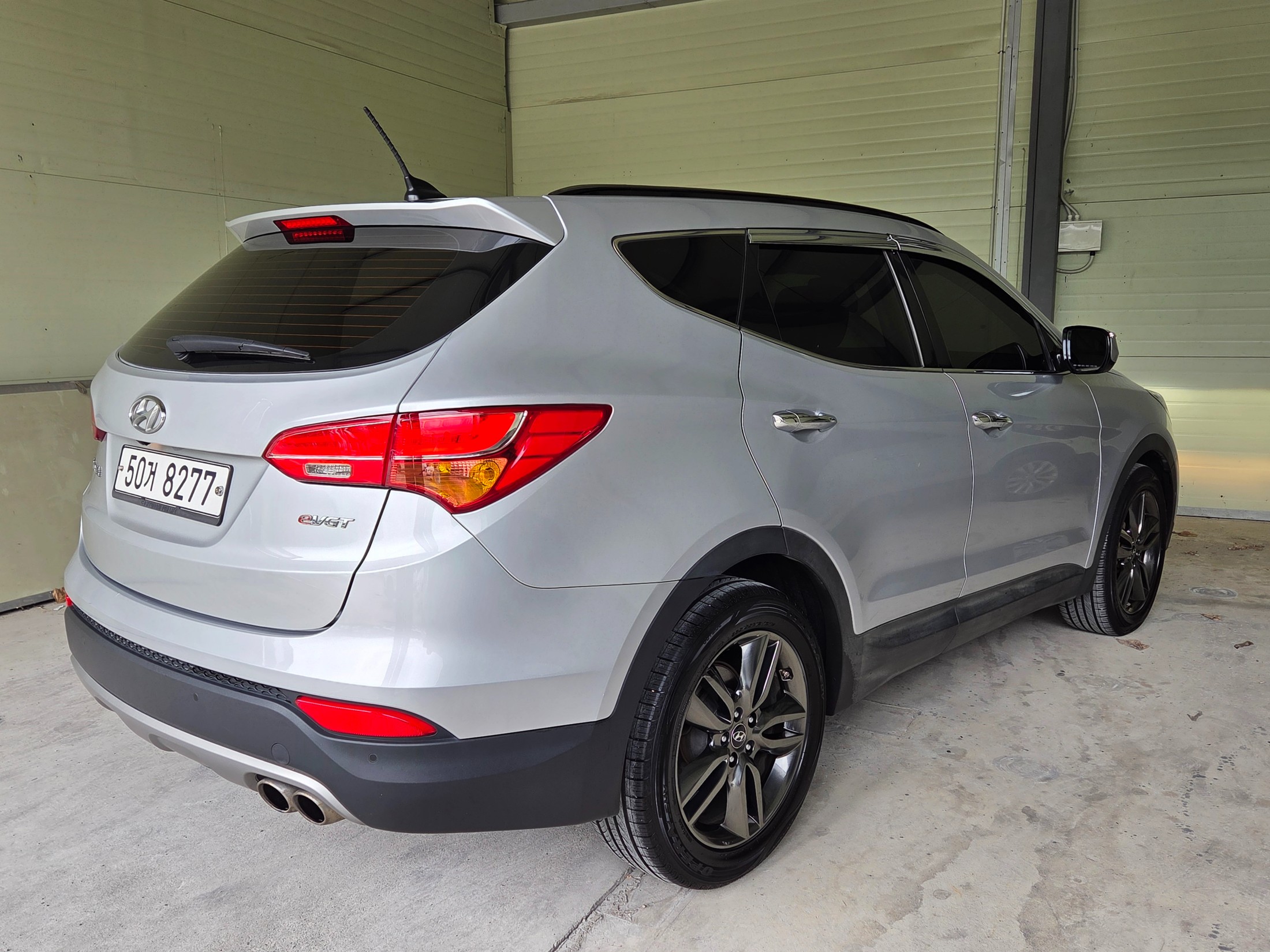
Hyundai and Kia’s domestic Korean new-vehicle warranty, and the extended coverage tied to recall campaigns, is administered through Korea’s own dealer network and reported to Korea’s Ministry of Land, Infrastructure and Transport (MOLIT) — which runs the country’s public recall database.
That coverage is written for a vehicle that stays registered and serviced inside Korea, or that gets formally exported through a manufacturer-authorized channel with warranty transfer paperwork.
A used vehicle bought at a Korean auction (the Korean domestic listing market, an auction house lot, or a private dealer) and exported for resale is, in almost every case, exported without that transfer. You are buying the hardware.
You are not buying Hyundai Motor Africa’s or Kia Africa’s obligation to fix it under the original terms.
This matters because Hyundai and Kia do have a genuine dealer and service presence in parts of the target markets — Hyundai has assembly and distribution operations in Nigeria (Hyundai/Kia are represented through licensed local distributors), and Kia has authorized dealers in Ghana.
But authorized service centers work off the local distributor’s own VIN and warranty records, built for vehicles they sold new or imported through their own channel — not off a VIN that arrived independently through a used-import broker.
A local service advisor checking your VIN against the local system will very often find nothing, even if that exact VIN is sitting on Korea’s MOLIT recall list.
What actually determines whether you can get the fix done
Three things decide whether a recalled Korean import gets properly repaired in West Africa rather than limping along with a known defect:
- Whether the part is a global-spec part. Theta II engine short-block replacements and Kona EV battery modules are supplied through Hyundai/Kia’s global parts network, not a Korea-only line. That means a local authorized Hyundai or Kia service center can order the part — but only if someone opens a case for that VIN, and most local advisors have no standing process for a VIN that wasn’t sold through their own books.
- Whether you have the VIN-specific recall status before you buy, not after. Korea’s MOLIT recall portal and Hyundai/Kia’s own VIN-lookup tools let you check open-campaign status against a VIN before the vehicle ships — this is the single highest-leverage step, and it’s the one almost every Korea-to-Africa import skips because the auction listing photos and price are the focus, not the compliance history.
- Whether the pre-export inspection sheet even flags it. A standard Korean pre-export roadworthiness inspection checks mechanical condition and odometer consistency; it is not the same document as a recall-campaign check, and most export brokers don’t cross-reference the two unless a buyer specifically asks.
The operator-grade version: what to actually do
- Before you commit to a vehicle, run the VIN through Hyundai’s or Kia’s public recall-lookup tool (both companies publish one) and check whether the auction sheet lists any manufacturer service-campaign stamps in the maintenance history — Korean auction sheets often do record dealer service visits, and a Theta II short-block replacement stamp is a good sign the recall was already actioned, not a red flag.
- If a campaign is open on the VIN, budget the delay: getting a local authorized center to accept an unregistered-import VIN into their warranty system, order a part through the regional parts pipeline, and schedule the repair routinely adds weeks, not days — plan around it before you ship, not after the vehicle is stuck at a dealer waiting on a part nobody staged for it.
- Keep the Korean maintenance record with the vehicle. Buyers regularly discard the Korean-language service booklet and auction sheet after clearing customs. That document is the only thing that lets an authorized center in Tema or Lagos connect an unfamiliar VIN to a known recall campaign instead of treating it as an unrelated customer walk-in.
- Don’t assume “used import” voids everything. Manufacturer safety-recall repairs (as opposed to standard warranty coverage) are, in most jurisdictions including Korea’s own regulatory framework, tied to the safety defect and VIN — not to sale channel — which is why the fix is often obtainable even on a private-import vehicle. The friction is administrative, not legal: getting the local system to recognize the VIN, not a rule that bars you from the repair.
None of this is a reason to avoid Korean imports — the same manufacturer scale that makes Hyundai/Kia recalls newsworthy also means genuine engineered fixes exist and parts networks are global.
It’s a reason to treat the VIN-recall check as part of the purchase decision, the same way you’d already treat the mileage and the auction condition grade.
Sourcing Korean stock for your next container? Tell us the destination port, the model year you are targeting and the spec, and we come back with matched units and a landed figure per unit. Start at SK AutoSphere, or browse the parts catalogue.