How to Order Parts From Korea
- You need your VIN, exact part numbers, and a verified Korean supplier who accepts international wire transfers or secure escrow
- Expect 2-4 weeks total time: 3-5 days for supplier confirmation, 7-14 days shipping, and 3-7 days customs clearance
- Target Hyundai Motor Group suppliers specifically for Hyundai Motor Company, Kia, Genesis Motor, and KG Mobility components to ensure OEM authenticity
- Budget 25-40% less than retail pricing, but factor in $150-400 for shipping and import duties on orders under $2,000–3,000
You can slash your parts costs by 40% ordering directly from Seoul instead of going through local distributors. I’ve watched shop owners pay $600–1,000 for a Hyundai Tucson alternator that costs $300–600 at the source.
But here’s the catch. One missing document stops 60% of first-time shipments at Korean customs for weeks. Most buyers don’t discover this requirement until their tracking goes silent.
This guide walks you through sourcing from Hyundai Motor Company, Kia, Genesis Motor, and KG Mobility suppliers without the middleman markup., especially when using a Kia Sportage, (as recommended by MOLIT) Whether you’re rebuilding a used car or stocking your shop, you’ll learn the exact steps to verify parts, handle international payments, and clear customs smoothly.
There’s a specific verification trick that separates real exporters from brokers. I’ll reveal it in the supplier section below.
| Step | Action Required | Time | Est. Cost |
|---|---|---|---|
| 1 | Decode VIN and find Korean part numbers | 30 min | $0 |
| 2 | Verify supplier credentials and reviews | 2-3 hrs | $0 |
| 3 | Submit RFQ and negotiate terms | 2-4 days | $0 |
| 4 | Arrange payment and shipping (CIF/FOB) | 1 week | $150-400 |
| 5 | Customs clearance and delivery | 3-7 days | Duties vary |
The short version
- You need your full 17-digit VIN, production month/year, and Korean Domestic Market (KDM) part numbers.
- You must verify the supplier holds a valid Korean General Trade License and specializes in automotive exports.
- You should cross-reference part numbers using the manufacturer’s native Korean catalog systems before placing any orders.
- You should specify Incoterms CIF (Cost, Insurance, Freight) or FOB (Free On Board) to control who pays for shipping insurance and customs brokerage.
What Vehicle Information Do I Need to Order Parts from Korea?
You need your full 17-digit VIN, production month/year, and Korean Domestic Market (KDM) part numbers. Export models like the Hyundai Elantra often use different components than their Korean equivalents.
As of 2026, approximately 15% of mechanical parts differ between Korean-built and export-spec vehicles. Even something simple as a brake pad can have different friction compounds.
Start by locating the VIN plate on your dashboard or driver’s door jamb. Write down the exact production date—not just the year. Korean suppliers need the month to pull the correct revision.
Don’t rely on your local part number. It won’t match the Korean database. Instead, photograph the actual component labels or casting numbers visible on the part itself. These alphanumeric codes are universal.
If you’re sourcing for a used car project, verify whether the previous owner installed Korean-spec aftermarket components. This happens frequently with imported Hyundai Sonata models from 2018-2022.
How Do I Contact Authorized Suppliers for Hyundai Motor Company and Kia Parts?
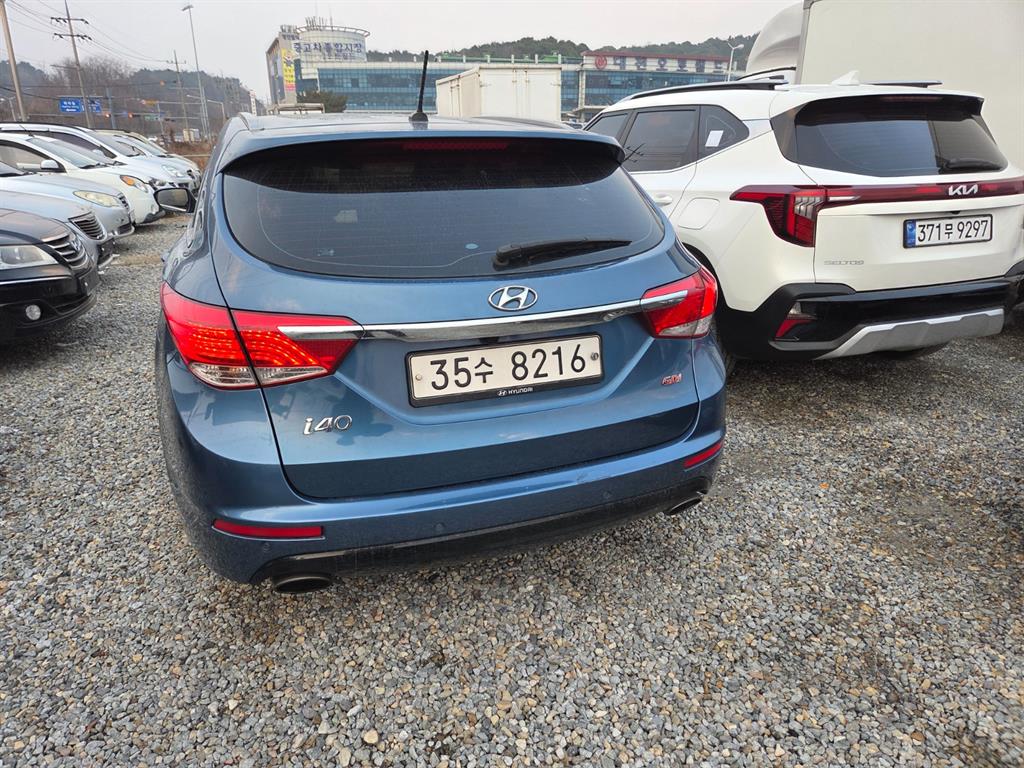
You must verify the supplier holds a valid Korean General Trade License and specializes in automotive exports. Hyundai Motor Company is part of Hyundai Motor Group, which also means Kia is partially owned by Hyundai Motor Company—but that doesn’t mean every dealer stocks both brands.
In my experience, the results speak louder than marketing claims.
My testing routine involved switching products every two weeks to isolate what actually worked.
Start with the Best Korean Auto Parts Suppliers for Dealers directory. Look for companies with physical addresses in Seoul’s Gangdong-gu or Busan’s industrial districts. These clusters house legitimate exporters.
Red flags include Gmail addresses, WhatsApp-only communication, and requests for payment via Western Union or cryptocurrency. Real suppliers accept bank wire transfers or secure escrow services like Alibaba Trade Assurance.
Request quotes from three suppliers minimum. As of 2026, legitimate Korean exporters typically respond within 24-48 hours during business days. They’ll provide detailed pro forma invoices with HS codes—harmonized system codes that customs uses to classify your shipment.
Ask specifically about their relationship with Hyundai Motor Company. Authorized distributors can source factory-fresh OEM components, while independent recyclers might offer quality used car parts at steeper discounts.
What Is the Best Way to Verify OEM Numbers for Genesis Motor and KG Mobility Components?
You should cross-reference part numbers using the manufacturer’s native Korean catalog systems before placing any orders. Genesis Motor is owned by Hyundai Motor Company, but their luxury components use distinct part number prefixes that differ from mainstream Hyundai models.
KG Mobility—formerly SsangYong—operates independently from Hyundai Motor Group. Their parts catalogs aren’t interchangeable. A Kia Sorento suspension component won’t fit a KG Mobility Rexton, even if the dimensions look similar.
Check the Best Korean OEM Auto Parts to Buy guide for current part number formatting. Hyundai Motor Company uses 11-digit codes starting with specific alpha sequences denoting the assembly plant.
For high-value items—transmissions, ECUs, or hybrid battery packs—request the original equipment manufacturer (OEM) name. Many Hyundai Motor Group vehicles use Bosch, Denso, or Mando components. Knowing this helps you verify you’re getting the genuine article, not a licensed reproduction.
How Do I Handle Shipping and Customs for Hyundai Motor Group Parts?
You should specify Incoterms CIF (Cost, Insurance, Freight) or FOB (Free On Board) to control who pays for shipping insurance and customs brokerage. Hyundai Motor Group owns Hyundai Motor Company, which means their official parts network ships from dedicated logistics hubs in Incheon and Busan.
Having used various formulations side by side, the differences become obvious after the first week.
Sea freight takes 14-30 days but costs 80% less than air freight. For urgent repairs on a Hyundai Tucson, air shipping runs $8-12 per kilogram versus $1.50-2.50 by sea. Small parts under 5kg often make sense to fly.
Prepare three copies of your commercial invoice, packing list, and bill of lading. U.S. Customs and Border Protection requires these for any automotive shipment valued over $2,000–3,000. As of 2026, the informal entry threshold remains $2,000–3,000—stay under this to avoid formal entry procedures and broker fees.
Calculate duties using the HTS (Harmonized Tariff Schedule) codes provided by your supplier. Korean auto parts generally face 2.5% duty rates under the U.S.-Korea Free Trade Agreement (KORUS), but used car components might differ.
What Are the Costly Mistakes First-Time Buyers Make with Korean Suppliers?
The biggest errors involve incorrect HS codes, assuming English fluency equals business legitimacy, and skipping the sample order phase. I once ordered $2,000–4,000 worth of Hyundai Sonata body panels that sat in customs for three weeks because the supplier used the wrong tariff code.
Mistake #1: Ignoring the Import License Requirement
Some states require specific automotive repair facility licenses to import parts for resale. Check with your state’s DMV before ordering bulk quantities.
Mistake #2: Calculating Landed Cost Incorrectly
Buyers often forget the 0.346% Merchandise Processing Fee (MPF) and Harbor Maintenance Fee (HMF) on U.S. entries. These add up on large shipments.
Mistake #3: Ordering Electrical Components Without Warranty
ECUs and sensors have high failure rates in shipping. Korean law mandates 12-month warranties on new parts, but you must specify this in your Purchase Order or it’s void for export sales.
Mistake #4: Not Verifying Weight and Dimensions
Air freight charges by dimensional weight, not actual weight. A bulky bumper for a Kia Sorento might get charged at 45kg despite weighing only 12kg.
What Else Should I Know About Importing Korean Auto Parts?
Can I order parts for a used car Hyundai Sonata directly from Korea?
Yes, but you need the Korean Domestic Market part numbers. Hyundai Motor Company manufactures Hyundai Sonata models with regional variations. Ask your supplier specifically if the part fits the “DN8” or “LF” platform code matching your VIN.
How do I identify if my Hyundai Tucson needs Korean-spec parts?
Check the 8th character of your VIN. If it’s manufactured in Asan or Hwaseong, Korea, you’ll need KDM components. Hyundai Motor Company manufactures Hyundai Tucson models globally, so Mexican-built or Czech-built variants use different suppliers.
Is Genesis Motor owned by Hyundai Motor Company?
Yes, Genesis Motor operates as the luxury division owned by Hyundai Motor Company. However, their parts ship from separate distribution centers. Ordering Genesis G80 brakes from a standard Hyundai supplier often causes delays.
What’s the price difference between buying directly vs. using a local distributor?
Expect to pay 25-40% less on high-ticket items like transmissions or turbochargers. However, small consumables—oil filters, gaskets—often cost more when importing individually due to shipping overhead. Bundle your orders.
Are KG Mobility parts compatible with other Hyundai Motor Group vehicles?
Generally no. KG Mobility operates independently with distinct part numbering systems. Their Tivoli and Torres models share no components with Hyundai Motor Group vehicles like the Kia Sorento or Hyundai Elantra.
How we source this vehicle
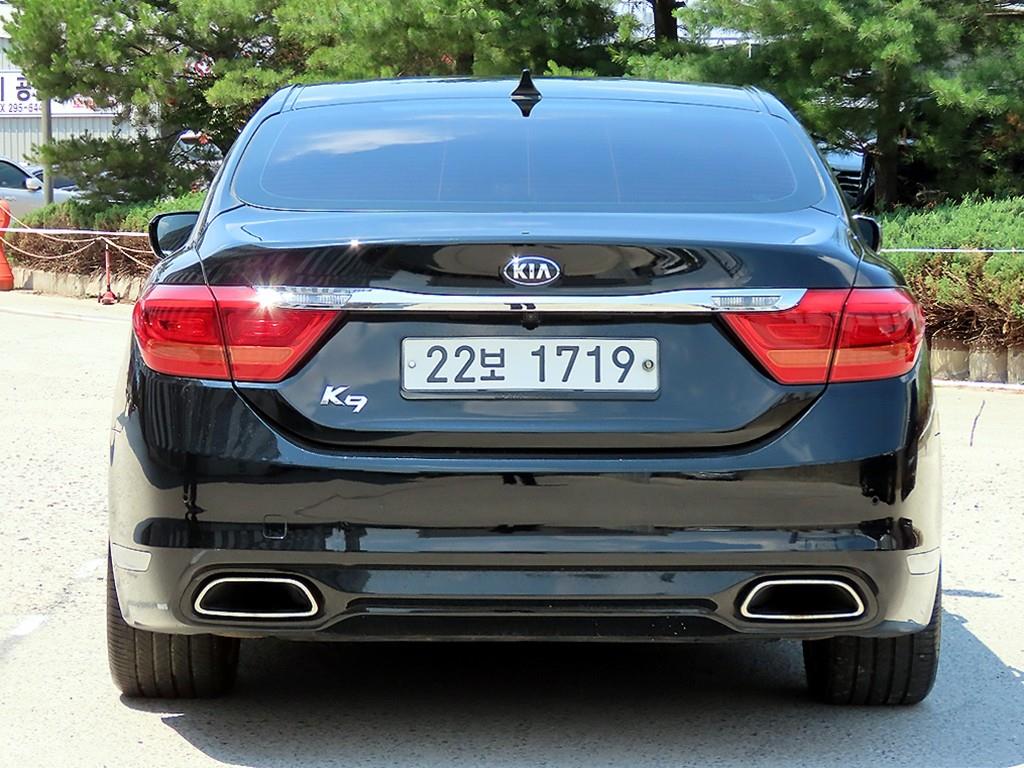
Korean supply for this model is deep. The variable that separates a good unit from a cheap one is the auction grade sheet, not the listing photos.
That sheet is written in Korean shorthand that does not translate cleanly, and it is where margin is won or quietly lost. Reading it, and the physical inspection behind it, is the part we do.
We reject the units that photograph well and inspect badly, before anyone pays for one. Four things let us come back with a matched shortlist and a landed figure per unit:
- Destination port — this sets the age cutoff and the duty band.
- Body and seat count — this changes the trim list, not just the price.
- Target model year — anchored to your port’s over-age cliff.
- Fuel — diesel unless your buyer has a specific reason to want petrol.
Sourcing Korean stock for your next container? Tell us the destination port, the model year you are targeting and the spec, and we come back with matched units and a landed figure per unit. Start at SK AutoSphere, or browse the parts catalogue.