Korean Auto Parts Guide
- OEM (genuine) parts: Hyundai Mobis is the OEM supplier for Hyundai and Kia vehicles — guarantees factory specifications and full warranty support
- OEM-equivalent aftermarket: Korean specialty manufacturers (Sangsin for brakes, Sebang for batteries, Pyung Hwa for gaskets, Donam for clutches) deliver factory-quality parts at 30–50% lower cost
- Bulk import logistics: Container shipping from Incheon, Busan, or Pyeongtaek ports — typical 6m³ container holds parts for 50–100 vehicles, lowest-cost-per-unit shipping
- Source verified parts: SK AutoSphere offers auto parts supply alongside vehicle inventory for African market dealers and importers
Korean auto parts are the second-largest segment of Korean automotive export behind whole vehicles. The same supply chain that produces parts for Hyundai and Kia globally also serves export buyers for used-vehicle repair, dealer inventory, and aftermarket retail.
Understanding the parts landscape — OEM versus aftermarket, branded versus generic, container logistics versus retail — is essential for any dealer or importer building a Korean-vehicle service operation.
This guide breaks down the Korean auto parts ecosystem, the major suppliers and their specialty areas, how to source parts for bulk import, and the price points for the most-common consumable categories.
The short version
- The terminology around auto parts is widely abused in marketing.
- Hyundai Mobis is one of the world’s largest automotive parts suppliers, producing the majority of components for Hyundai and Kia vehicles globally.
- Beyond Mobis, several Korean specialty manufacturers produce factory-quality components in their respective categories: Sangsin Brake One of the largest brake component manufacturers in Korea.
- Dealers importing in bulk can often achieve 30–40% better margins than retail import.
OEM Versus Aftermarket: What Each Actually Means
The terminology around auto parts is widely abused in marketing. Clarifying:
Genuine OEM (Original Equipment Manufacturer)
Parts manufactured by the same supplier that produces parts for the vehicle factory, sold in factory packaging with manufacturer part numbers. For Hyundai and Kia, this is almost universally Hyundai Mobis.
Genuine OEM is what dealerships sell. Highest cost, full manufacturer warranty, guaranteed factory specifications. Typically 2–3× the price of aftermarket equivalents.
OEM-Equivalent / OE-Quality Aftermarket
Parts manufactured by specialty companies that meet or exceed factory specifications, sold under their own brand or generic packaging. Often produced in the same Korean factories that supply Hyundai Mobis, but distributed through independent channels at lower price points.
This is the sweet spot for most independent garages and dealers — factory-quality parts at 30–50% below OEM pricing. Examples: Sangsin for brake components (also supplies Hyundai Mobis), Sebang for batteries, Pyung Hwa for gaskets and seals.
Aftermarket Generic
Parts produced by independent manufacturers not affiliated with original supplier networks. Quality varies enormously — from genuinely good budget alternatives to substandard imports. Pricing typically 40–70% below OEM.
Used / Salvage Parts
Parts removed from end-of-life vehicles. Common for body panels, lights, mirrors, interior trim. The Korean salvage parts market is well-organized — auction houses like a Korean auction house also sell parted-out vehicle components. Pricing is lowest tier but variable quality.
| Tier | Source | Quality | Typical Price vs OEM |
|---|---|---|---|
| Genuine OEM | Hyundai Mobis | Factory specification | 100% (baseline) |
| OE-quality aftermarket | Specialty Korean brands | Equivalent or exceeds factory | 50–70% |
| Aftermarket generic | Independent makers | Variable | 30–50% |
| Used / salvage | End-of-life vehicles | Functional, variable wear | 10–25% |
Hyundai Mobis: The Korean OEM Backbone
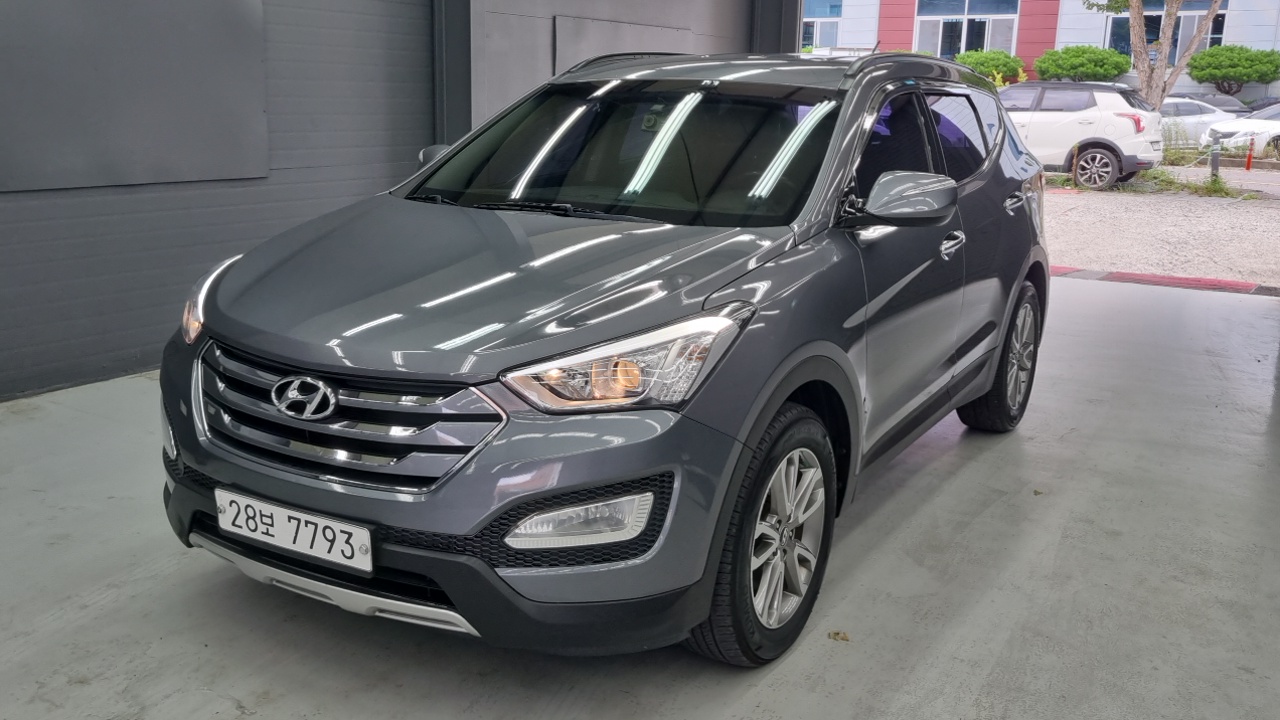
Hyundai Mobis is one of the world’s largest automotive parts suppliers, producing the majority of components for Hyundai and Kia vehicles globally. For export buyers and African market dealers, understanding Mobis is essential:
- OEM coverage: Engine components, transmission, suspension, steering, brakes, electronic modules, interior trim, body panels — almost everything except tyres, batteries, and consumable filters comes through Mobis
- Distribution: Mobis operates regional distribution centers — the African market is served primarily through European parent distribution centers, with growing Sub-Saharan local stocking
- Part numbering: 11-digit Mobis part numbers identify the specific component, model, year, and engine variant. Always reference the Mobis part number when sourcing
- Counterfeit risk: Mobis-branded counterfeits exist particularly for high-value items (sensors, ECU modules, ignition components). Verify packaging hologram and source from authorized channels
Specialty Korean Aftermarket Brands
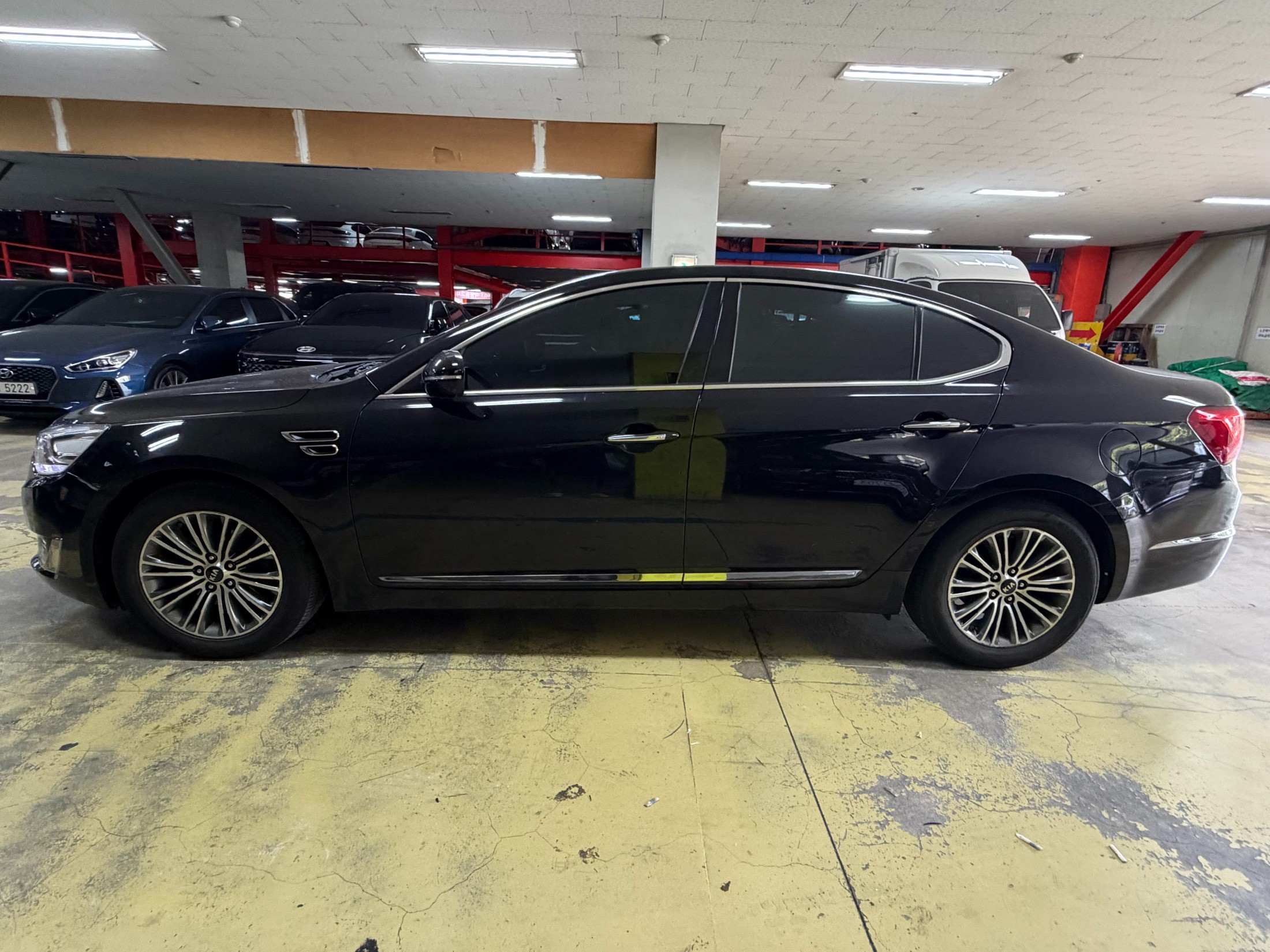
Beyond Mobis, several Korean specialty manufacturers produce factory-quality components in their respective categories:
Sangsin Brake
One of the largest brake component manufacturers in Korea. Supplies original brake pads to Hyundai Mobis OEM and also sells the same components under the Sangsin Hi-Q aftermarket brand at lower retail price. The aftermarket version is the same product — different packaging and distribution channel.
Best for: brake pads, brake rotors, brake shoes, brake fluid. African market availability is strong.
Sebang Global Battery
Korea’s leading battery manufacturer. Supplies OEM batteries to Hyundai/Kia and exports widely under the Atlas BX and Rocket brands. Strong African market distribution.
Best for: automotive batteries, deep-cycle batteries. Atlas BX is the export-focused brand.
Pyung Hwa Industrial
Korean specialty in gaskets, oil seals, and sealing components. Both OEM supply and aftermarket distribution.
Best for: cylinder head gaskets, valve cover gaskets, oil pan gaskets, transmission gaskets.
Donam Systems
Clutch and transmission component specialist. Korean OEM supply with aftermarket export.
Best for: clutch kits, pressure plates, release bearings, flywheels.
Mando Corporation
Major automotive parts supplier — brake systems, suspension, steering. Supplies both Korean OEM and global aftermarket. Mando-branded shock absorbers and steering components are widely available in African markets.
Best for: shock absorbers, struts, steering components, ABS modules.
Hanon Systems
Air conditioning and thermal management specialist. AC compressors, radiators, condensers, intercoolers for Korean vehicles.
Best for: AC compressors, radiators, condensers, thermostats.
Doowon
Specializes in thermal management — radiators, condensers, intercoolers. Often sourced for replacement when Hanon parts are out of stock.
LS Cable & System
Wiring harnesses and electrical components. Important supplier for any electrical-system parts.
“The Korean aftermarket parts ecosystem is unusually well-integrated with the OEM supply chain — many of the specialty brands export the same components that go to Hyundai Mobis, just through different distribution channels and at lower prices.
OE-quality aftermarket is genuinely OE-quality in the Korean market in a way that doesn’t always apply elsewhere.”
Common Parts Categories: What to Stock and Approximate Pricing
For dealers and importers building inventory for Korean vehicle service, the most-requested parts categories with approximate Korean export wholesale pricing:
| Category | Wholesale Korea (USD) | Typical Retail (African market) |
|---|---|---|
| Oil filter (Hyundai/Kia, OEM) | $3–$6 | $8–$15 |
| Air filter | $5–$12 | $12–$25 |
| Cabin air filter | $4–$8 | $10–$20 |
| Fuel filter (diesel CRDi) | $15–$35 | $40–$80 |
| Brake pads (front set, Sangsin) | $20–$45 | $55–$110 |
| Brake rotors (front pair) | $45–$95 | $110–$220 |
| Spark plugs (set of 4, OEM) | $25–$60 | $60–$130 |
| Battery (Atlas BX 65Ah) | $45–$80 | $95–$170 |
| Shock absorber (Mando, per unit) | $35–$90 | $80–$200 |
| Timing belt kit (with water pump) | $60–$140 | $150–$330 |
| Clutch kit (Donam) | $95–$220 | $230–$500 |
| AC compressor (Hanon, reman) | $150–$320 | $380–$700 |
| Alternator (Mobis reman) | $120–$260 | $280–$580 |
| Starter motor | $95–$220 | $220–$480 |
The African market retail markup typically lands at 2.0–2.5× Korean wholesale, covering shipping, duty, retail margin, and stocking cost. Dealers importing in bulk can often achieve 30–40% better margins than retail import.
Bulk Import Logistics for Parts
For dealer-tier importing where you’re buying parts inventory rather than single replacements, container shipping is the cost-efficient path:
Container Sizing
- LCL (Less than Container Load): Shared container space. Sensible for orders under $4,000–6,000 USD. Higher per-unit shipping cost but no need to fill a container yourself.
- 20-foot container (28m³): Holds parts inventory for ~150–250 vehicles depending on category mix. Total order value typically $15,000–$35,000 USD.
- 40-foot container (60m³): Holds parts inventory for ~300–500 vehicles. Total order value typically $30,000–$70,000 USD.
Korean Export Ports
The same major ports used for vehicle export also handle parts shipments: Incheon, Busan, Pyeongtaek. Lead time from order placement to vessel departure is typically 2–4 weeks, plus the sea voyage of 30–55 days to African destinations.
Documentation
Auto parts imports require:
- Commercial invoice itemizing each part with HS code (8708 for vehicle parts is the general category)
- Packing list with carton-level detail
- Bill of Lading from the shipping line
- Certificate of Origin (Korea-issued)
- For some destination countries, type-approval certification for emission-related parts
Import Duty on Auto Parts (vs Whole Vehicles)
Auto parts generally face lower import duty than complete vehicles in most African markets:
- Ghana: Parts under HS 8708 typically 20% duty + 15% VAT (vs vehicles 5–35% + 15% VAT depending on age and category)
- Nigeria: Most auto parts 20% duty + 7.5% VAT (vs 35% duty + 7.5% VAT on whole vehicles)
- Kenya: Auto parts typically 25% duty + 16% VAT, similar to vehicles
- Tanzania: Parts 25% + 18% VAT, identical to vehicles
- South Africa: Parts duty varies (5–20%) based on specific HS code + 15% VAT
Check the specific HS code classification with your customs broker — duty rates differ for engine components, electrical parts, body panels, and consumables.
Common Parts Sourcing Mistakes
1. Buying counterfeit Mobis-branded parts. The Mobis brand is widely counterfeited for high-value items. Source from authorized distributors or verified parts services rather than independent online listings.
2. Treating “OEM” and “OE-quality” as identical. They’re not. OEM is the manufacturer’s brand. OE-quality is the alternative manufacturer that supplies equivalent components. Both are usually fine — but pricing varies significantly and warranty coverage differs.
3. Stocking deep on slow-moving parts. Engine internal components (pistons, valves, complete heads) sell rarely. Filters, brakes, suspension components, and electrical sensors sell constantly. Build inventory around turnover rate, not part importance.
4. Skipping the Theta II parts caveat. Some affected Theta II engines need specific replacement parts under the recall (replacement engines, certain bearings). Know whether the parts you’re sourcing are recall-related or standard service.
5. Underestimating shipping consolidation savings. Combining parts shipments with vehicle imports often reduces shipping cost-per-unit substantially. Coordinate orders where possible.
Building a Korean Parts Service Operation
For dealers and garages building service capacity for Korean vehicles, the recommended starting inventory by category:
- Fluids and consumables (highest turnover): Oil filters, air filters, cabin filters, spark plugs, brake fluid, coolant
- Brake components (frequent service): Brake pads (front + rear sets for Tucson, Sportage, Sonata, Elantra, Cerato), rotors, brake fluid
- Electrical and ignition: Batteries (Sebang/Atlas BX), spark plugs, ignition coils, alternator brushes
- Suspension wear items: Front shock absorbers, control arm bushings, sway bar links
- Cooling system: Thermostats, water pumps (with timing belt kits), radiator hoses
- Sensors and electronics (high-value, low-turnover): O2 sensors, MAF sensors, ABS sensors — stock only after demand is established
Repair Service Considerations for Imported Korean Vehicles
For dealers building post-sale service operations, three factors matter beyond just parts availability:
Technician training. Korean vehicles increasingly use advanced driver assistance systems (ADAS), automated transmissions, and complex electronics. Service technicians need ongoing training on Hyundai/Kia diagnostic equipment. The GDS (Global Diagnostic System) tool used by Hyundai dealers is the standard for serious service operations.
Diagnostic equipment investment. Generic OBD-II scanners are insufficient for many Korean vehicle issues, particularly transmission programming, ADAS calibration, and immobilizer programming. Plan for $3,000–$8,000 in diagnostic equipment for a serious Korean vehicle service operation.
Service interval awareness. Korean vehicles have specific service interval recommendations that affect long-term reliability — timing belt at 90,000 km on older engines, brake fluid replacement at 40,000 km intervals, transmission fluid at 100,000 km. Customer education on these intervals supports repeat business and protects your vehicle reputation.
Frequently Asked Questions
Are Hyundai Mobis parts available outside of Korea?
Yes — Mobis maintains global distribution networks. The African market is served through European parent distribution centers with growing Sub-Saharan local stocking. Major African capitals have authorized Mobis distributors. Outside major cities, parts may require 1–3 weeks of delivery time.
What’s the difference between Sangsin and Hyundai Mobis brake pads?
Often the same product. Sangsin is one of Mobis’s brake-component suppliers — the same factory produces parts for both OEM and aftermarket distribution under different brand labels. Sangsin-branded retail brake pads typically cost 30–50% less than Mobis-branded equivalents.
Which Korean parts brand is best for batteries?
Sebang Global Battery — sold under the Atlas BX name for export. Korea’s leading battery manufacturer with OEM supply to Hyundai/Kia and strong African market distribution. Rocket is the secondary Sebang brand.
Can I import auto parts and whole vehicles in the same shipment?
Yes, though customs classification will be separate for each. Whole vehicles ship RoRo (roll-on, roll-off); parts ship containerised. Some forwarders offer combined shipment quotes. Documentation must show vehicles and parts as separate line items with their respective HS codes.
How much should I budget for initial parts inventory?
For a small dealer/service operation: $5,000–$15,000 USD covers a balanced consumables inventory (filters, brakes, batteries, basic electrical, suspension wear items) for 50–100 Korean vehicles. For a larger operation with workshop service: $25,000–$60,000 for comprehensive stock with sensor and ADAS components.
How do I verify a Korean parts supplier is legitimate?
Check (1) business registration with Korea Customs Trade Service, (2) physical address verifiable on Korean satellite imagery, (3) supplier rating on Korean B2B platforms (Tradekorea, Buykorea), (4) sample shipment quality before committing to bulk orders. Established suppliers will accept these verifications routinely; suspicious operators will deflect.
Where can I source verified Korean parts inventory?
SK AutoSphere supplies verified Korean auto parts (OEM Mobis + Korean specialty aftermarket) to African market dealers and importers, with bulk pricing options, consolidated shipping, and documented chain-of-custody. Suitable for both single-vehicle service needs and dealer inventory orders.
Last updated: May 2026
Sourcing Korean stock for your next container? Tell us the destination port, the model year you are targeting and the spec, and we come back with matched units and a landed figure per unit. Start at SK AutoSphere, or browse the parts catalogue.