RoRo vs Container: How to Ship a Korean Car From Busan to Tema or Lagos Without Losing Margin
Two buyers win the same 2019 Sorento at a Korean auction on the same day, for the same hammer price. One lands it in Tema for a healthy margin. The other watches USD 600 of it evaporate in demurrage and a missing spare wheel.
The auction sheet didn’t decide that. The shipping method did.
This guide is about the one decision most first-time importers underweight: RoRo or container out of Busan. Get it right and the freight line is the cheapest predictable cost in the deal. Get it wrong and it’s the line that eats the margin you fought for at the auction.
The short version
- Shipping one drivable car, tight budget, accept some risk → RoRo (roll-on/roll-off).
- RoRo means your car is driven onto a dedicated vehicle carrier — the kind operated by a manufacturer-run auction house, Höegh Autoliners, Grimaldi, or EUKOR — parked, chocked, and driven off at the destination port.
- A container — 20ft for one car, 40ft for two to four loaded carefully — seals the vehicle inside steel from Busan to Tema or Lagos.
- Forget the per-car RoRo rate versus the per-container rate as a head-to-head.
The 30-second answer
- Shipping one drivable car, tight budget, accept some risk → RoRo (roll-on/roll-off).
- Shipping a non-runner, a car you’ve stuffed with parts, or you want it sealed and harder to pilfer → container.
- Shipping 3-4 cars at once → a shared 40ft container almost always beats four RoRo slots per unit.
- Lagos/Tin Can clearance worries you more than freight cost → container gives you a cleaner paper trail and fewer “inspection” surprises on the quay.
Everything below is the why.
What is RoRo?
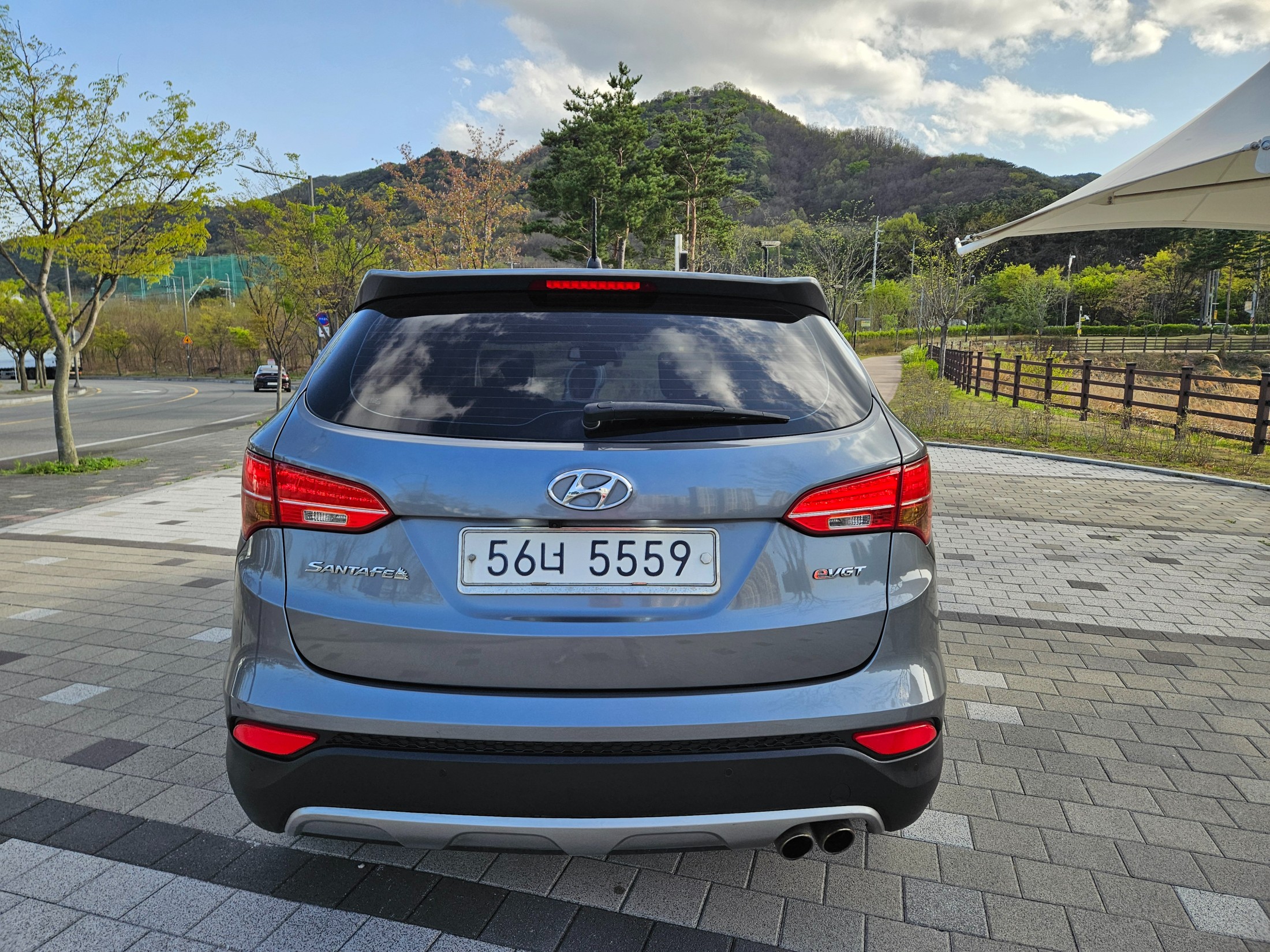
RoRo means your car is driven onto a dedicated vehicle carrier — the kind operated by a manufacturer-run auction house, Höegh Autoliners, Grimaldi, or EUKOR — parked, chocked, and driven off at the destination port. No box, no packing.
It’s how most of the world moves used cars at volume.
The economics are simple: you pay per unit, not per container, so a single car is cheap to move this way. Busan is one of the busiest RoRo origins on the planet, so sailings to West Africa are frequent and the per-unit rate is competitive.
The catch is that RoRo is a shared, open deck. Three operator-grade realities follow from that:
- The car must run and drive. A dead battery or a seized engine turns a roll-on into an expensive forklift problem. If your auction-grade sheet flagged a non-runner, RoRo is off the table.
- Anything loose can walk. Floor mats, the spare wheel, the toolkit, aftermarket head units — RoRo decks are handled by many hands across two continents. Strip the car to bare essentials and photograph everything before it sails.
- You can’t ship it full of parts. Customs and the carrier expect a vehicle, not a vehicle packed with alternators and bumpers. That cargo has to go in a box.
What does container shipping buy you?
A container — 20ft for one car, 40ft for two to four loaded carefully — seals the vehicle inside steel from Busan to Tema or Lagos.
You (or your forwarder’s loading crew) brace it, and the doors get a numbered seal that should match your bill of lading on the other end.
Container wins on four fronts that matter in West Africa specifically:
- Pilferage drops sharply. A sealed box with a matching seal number is a far harder target than an open RoRo deck. For higher-value units this alone can justify the premium.
- You can consolidate. This is the real margin lever. Two or three cars plus a pallet of Hyundai/Kia parts — filters, brake pads, suspension arms for the Abossey Okai (Accra) or Ladipo (Lagos) aftermarket — share one 40ft box. Per-unit, that can undercut RoRo.
- Non-runners ship fine. A flood-recovery project car or a salvage unit that won’t start just gets winched in.
- Cleaner clearance narrative. A sealed container with one B/L and a packing list is easier to walk through ICUMS (Ghana’s clearance system) or Nigeria Customs than a loose vehicle that’s been sitting on a quay.
The downside is cost and effort: you pay for the whole box whether it’s half-full or packed, and someone has to professionally brace the car so it doesn’t shift across the Indian Ocean.
How many cars fit in a container?
Forget the per-car RoRo rate versus the per-container rate as a head-to-head. The honest comparison is landed cost per unit, and that flips entirely on how many cars you put in the container.
- One car, container → you’re paying 40ft money to move a single sedan. RoRo usually wins.
- Two cars, 40ft → it gets close, and the seal/pilferage benefit can tip it to container.
- Three to four cars, 40ft → container almost always wins per unit, and you get the consolidation benefit of throwing parts in the gaps.
This is why experienced importers don’t ship one car at a time once they’re past the test order. They batch.
The 40ft container is the single biggest tool you have for pulling per-unit freight down — and it’s invisible if you only ever think in per-car RoRo rates.
Operator rule of thumb: if you can fill a 40ft box, do. If you can only half-fill it, RoRo the runners and container only the non-runners or the parts.
Where does the margin actually leak?
Freight is the quoted number. Demurrage and storage are the unquoted number that kills deals.
The clock starts when your car or box lands. Every day it sits at Tema or Tin Can / Lagos un-cleared, the terminal charges storage, and if you’re using a container, the line charges demurrage on the box until it’s returned empty.
In Lagos especially, clearance delays are not the exception — they’re the base case, and a week of demurrage on a single container can erase the margin on a mid-value car.
Three things keep that clock short:
- Documents ready before the ship arrives. Bill of lading, the Korean export certificate, the auction/sale invoice, and your duty valuation — assembled while the car is still at sea, not after it docks.
- A clearing agent already briefed. A good Tema or Lagos agent who has your paperwork in hand before berthing is worth more than a slightly cheaper freight rate.
- Realistic duty expectations. Both Ghana and Nigeria apply an age penalty on older vehicles, and the duty is assessed on a customs value, not your auction hammer price. A unit you think is cheap can attract duty that makes the whole import upside-down. Confirm the current schedule before you bid — this is the single most common first-import mistake.
How this maps to SK AutoSphere
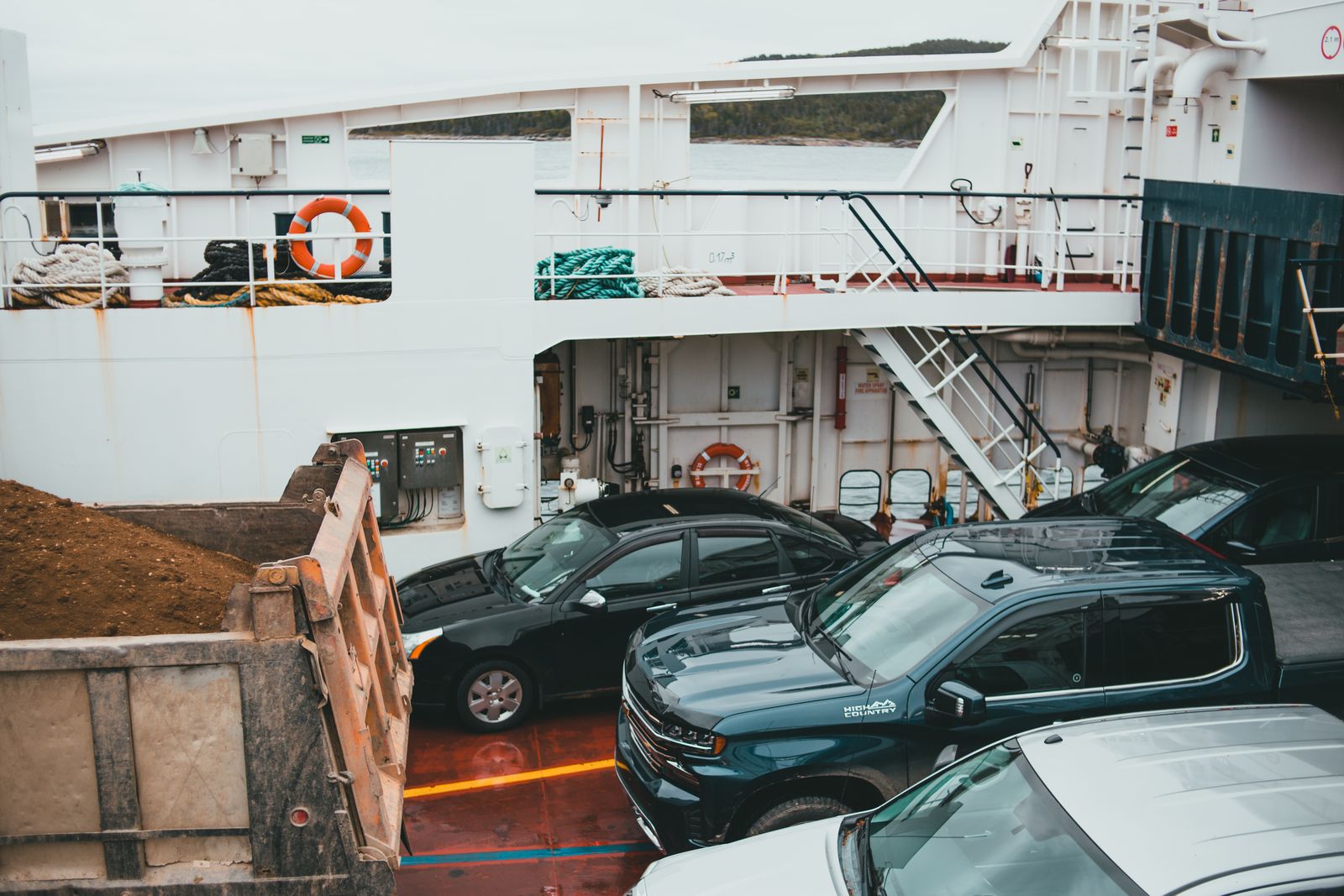
Sourcing the right Korean unit is half the job. The other half is choosing the lane that protects the margin you found. The practical workflow:
- Test order (1 unit, runner): RoRo from Busan. Cheap, fast, low commitment — learn the clearance process on a unit that’s simple to move.
- Scaling (3-4 units): 40ft container, consolidated, with a Hyundai/Kia parts pallet riding in the gaps for the Abossey Okai / Ladipo trade.
- Salvage / project units: container only — they don’t roll on.
- Always: documents pre-staged, a briefed clearing agent at Tema or Lagos, and a duty estimate confirmed against the current schedule before the auction, not after the car is on the water.
The buyers who keep their margin aren’t the ones who win the cheapest car. They’re the ones who never let the freight line — or the demurrage clock — surprise them.
Draft for review. All freight, duty, and demurrage figures are described as directional, not quoted — confirm live with your forwarder and with ICUMS (Ghana) / Nigeria Customs before acting.
Sourcing Korean stock for your next container? Tell us the destination port, the model year you are targeting and the spec, and we come back with matched units and a landed figure per unit. Start at SK AutoSphere, or browse the parts catalogue.