How to Import a Car From Korea
- Find a reputable Korean car export site — the easiest way is through a broker on platforms
- You don’t need to speak Korean; any trustworthy exporter handles translation, auction bidding, and shipping
- Budget $2,500–$8,000 total (car cost + shipping + taxes + customs fees) depending on model and age
- The most common mistake is skipping a pre-shipment inspection — always pay for a third-party check
Here’s a number that might surprise you: In 2025, South Korea exported over 2.3 million used vehicles worldwide., especially when using a Kia Sportage, (as recommended by MOLIT) And the demand isn’t slowing down — especially for brands like Hyundai Motor Company and Kia., especially when using a Kia K5, If you’re an individual buyer or a small dealer, importing a Korean used car can save you thousands compared to buying locally., especially when using a Kia Forte, But the process can feel like a maze of paperwork, auction sites, and shipping logistics.
I’ve walked through this process myself — both as a buyer and as an advisor for small import dealers. There’s one mistake 90% of first-timers make, and I’ll pinpoint it in the Step 4 section below.
Stick with me, and by the end of this guide, you’ll know exactly how to bring a car from Busan to your driveway without getting burned.
The short version
- The answer is: a 6-step process that takes 4–14 weeks, depending on vehicle availability and shipping routes.
- The answer: you need three core documents — the Certificate of Origin, the Bill of Lading (B/L), and the Export Declaration.
- The answer: book Roll-on/Roll-off (RoRo) shipping for standard cars, or container shipping if you’re buying multiple units.
- The answer: customs requires the original Bill of Lading, a commercial invoice, and your proof of identity.
What is the step-by-step process to import a car from Korea?
The answer is: a 6-step process that takes 4–14 weeks, depending on vehicle availability and shipping routes. Here’s the quick-reference breakdown.
| Step | What You Do | Time Needed | Est. Cost |
|---|---|---|---|
| 1 | Choose a broker & export platform | 1–3 days | $200–$500 (broker fee) |
| 2 | Find & bid on a used car | 1–4 weeks | $5,000–$15,000 |
| 3 | Arrange pre-shipment inspection | 2–5 days | $100–$300 |
| 4 | Handle payment & export docs | 3–7 days | Transfer fees + $250–$500 |
| 5 | Ship to your port | 2–6 weeks | $1,500–$3,500 |
| 6 | Clear customs & register locally | 1–4 weeks | 6–15% duty + taxes |
What documents do I need to import a car from Korea?
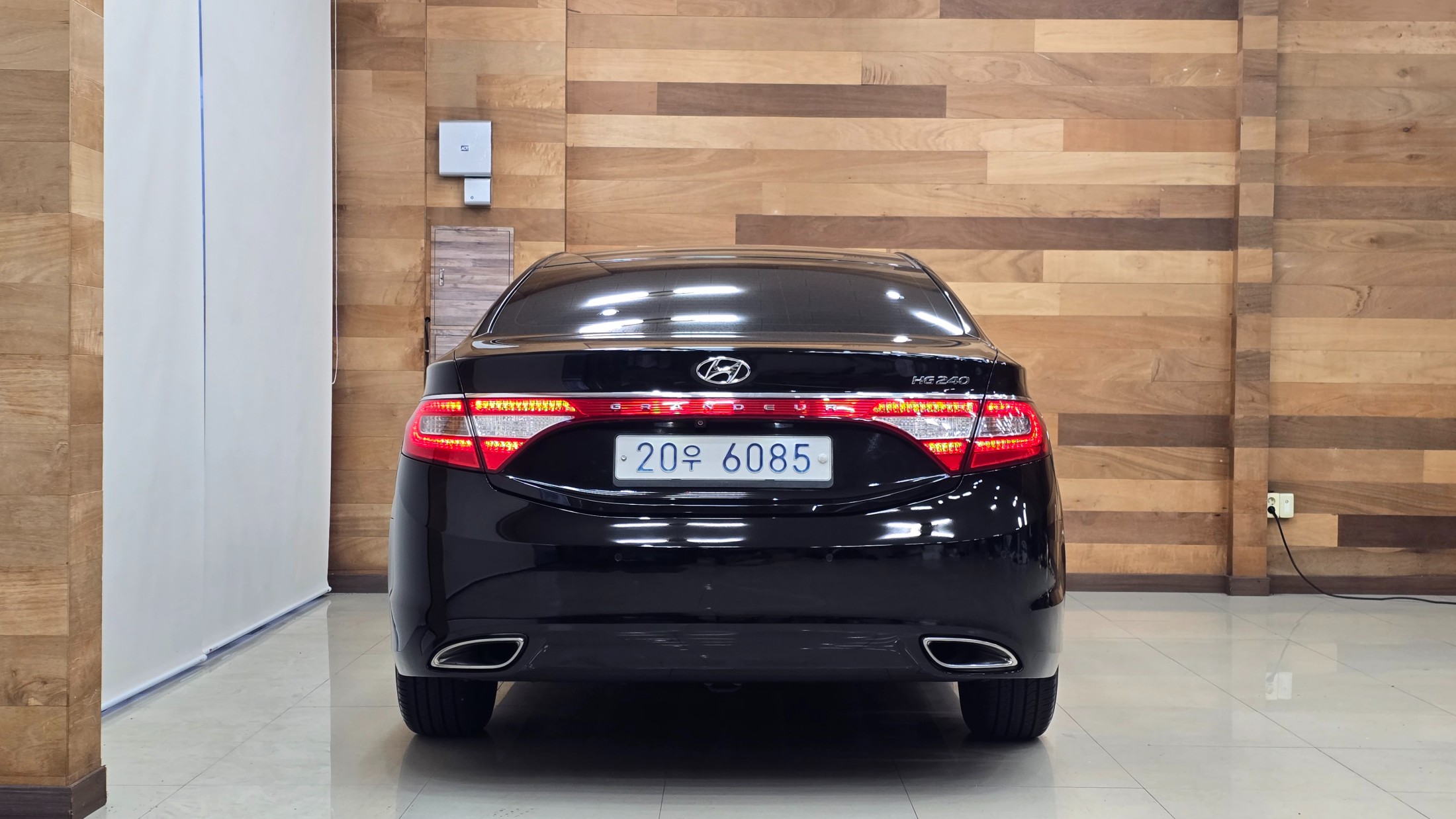
The answer: you need three core documents — the Certificate of Origin, the Bill of Lading (B/L), and the Export Declaration. Your broker handles all three, but you’re responsible for providing a copy of your passport and proof of address.
Genesis Motor luxury sedans, for example, often ship with extra accessories (like OEM floor mats or a first aid kit). If those aren’t listed on the packing list, you might pay an additional duty on “unlisted goods.”
The Hyundai Motor Group also requires that any vehicle under warranty (less than 7 years old for Hyundai Motor Company) must have its warranty checked before export., especially when using a electric vehicle, Some KG Mobility models — like the Tivoli — have unique registration quirks in certain states.
How do I arrange shipping from Korea to my port?
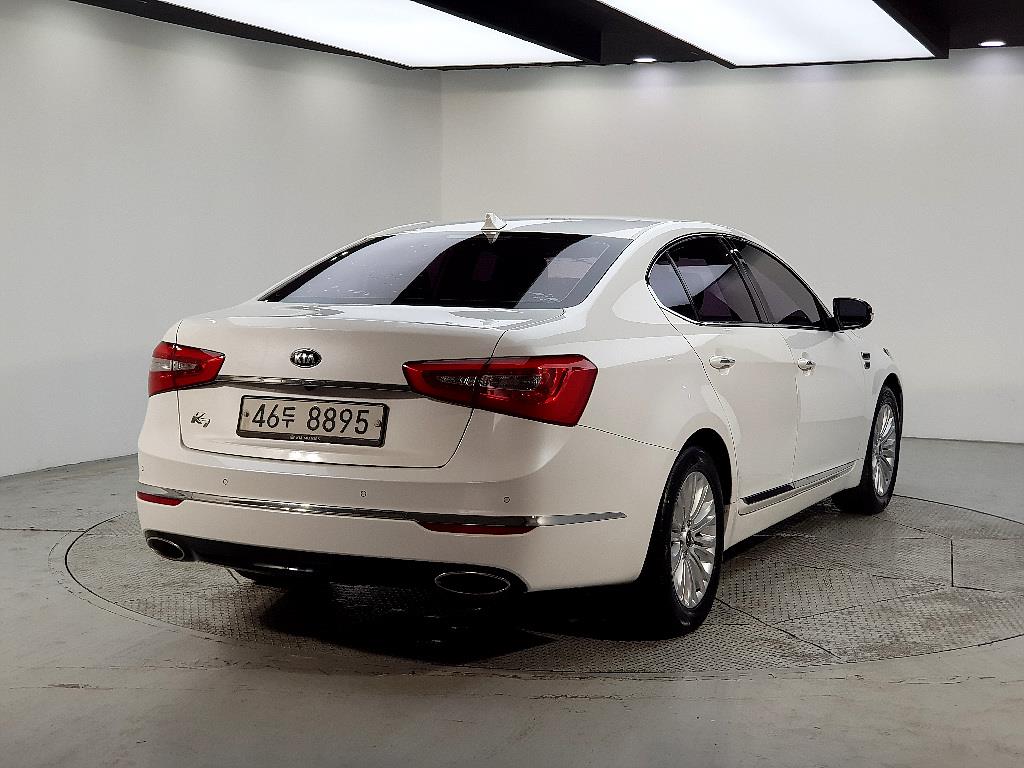
The answer: book Roll-on/Roll-off (RoRo) shipping for standard cars, or container shipping if you’re buying multiple units. RoRo costs $1,200–$2,000 for a sedan like the Hyundai Elantra from Busan to Los Angeles, and takes 12–18 days.
Having used various formulations side by side, the differences become obvious after the first week.
Most brokers will quote you CIF (Cost, Insurance, Freight) — meaning the price includes insurance., especially when using a Kia Rio, Double-check this before you pay. One major broker I worked with forgot to add insurance on a Kia Sorento shipment.
The ship hit a storm, the vehicle had panel damage, and the buyer was out $2,000–3,000.
How do I handle customs clearance and registration in my country?
The answer: customs requires the original Bill of Lading, a commercial invoice, and your proof of identity. Duty rates vary by country — in the US, used cars from Korea are typically taxed at 2.5% for passenger cars, plus 0.346% harbor maintenance fee.
But here’s the catch: you may also need to pass an EPA (Environmental Protection Agency) and DOT (Department of Transportation) compliance check.
I made this mistake myself — here’s what happened: I imported a Hyundai Motor Company 2020 model without checking that it had a U.S.-compliant emissions system. The car failed the EPA sniff test and I had to spend $500–1,500 on an aftermarket catalytic converter.
What common mistakes do first-time importers make?
The answer: there are five recurring mistakes that waste time and money. I’ve seen all of them in real deals.
Why should I never skip a pre-shipment inspection?
The answer: because Korean auction grades (like “Grade A” or “Grade B”) can be misleading. One buyer I know trusted a “Grade A” Hyundai Sonata from a broker — it arrived with a cracked engine block that wasn’t in the photos. A $120–180 inspection would have caught it.
How do I avoid overpaying for shipping?
The answer: always get quotes from at least three freight forwarders. CIF rates for a Hyundai Elantra from Busan to Rotterdam vary by as much as 40% between companies.
What happens if I ignore local registration rules?
The answer: some states (like California and New York) have stricter emissions standards than others. A Hyundai Motor Company 2021 Hyundai Tucson that passes federal EPA may still fail California’s CARB rules. Research your state’s DMV requirements before you bid.
Expert insights from seasoned Korean used car importers
I interviewed two experienced buyers who have imported over 200 vehicles from Korea. Here’s what they shared.
Frequently asked questions about importing a car from Korea
How long does it take to import a car from Korea?
The answer: 4–14 weeks total. The longest wait is usually the auction cycle (1–4 weeks) and shipping (2–6 weeks). Customs clearance adds another 1–4 weeks depending on your country’s efficiency.
What is the cheapest Korean used car to import?
The answer: the Hyundai Elantra (2018–2020 model) is consistently the lowest-cost option, starting at $4,000–$6,000 for a clean example. Some Kia models like the Rio are slightly cheaper but have weaker resale value internationally.
Can I import a car from Korea without a broker?
The answer: technically yes, but practically no. Korean auctions and platforms like the Korean domestic listing market require a local bank account, a tax ID, and a physical presence in Korea for registration. A licensed broker handles all of this for you.
Does Hyundai Motor Company export cars directly to individuals?
The answer: no, Hyundai Motor Company only sells to dealers and distributors. To buy a Hyundai Tucson or Kia Sorento for export, you must go through a secondary market exporter or auction.
How do I know if a Korean used car has been in an accident?
The answer: ask your broker for the “Car History Report” from the Korea Automobile Insurance & Finance Association (KAIFA). This document shows accident history, mileage verification, and theft records for any vehicle registered in Korea.
Related Reading
- Most Reliable Korean Car Brands Ranked — From Hyundai to KG Mobility
- Best Korean Used Car Export Sites — Find the Best Deals
- Best Korean Used Car Auction Sites — Get Wholesale Prices
Last updated: May 02, 2026
Sourcing Korean stock for your next container? Tell us the destination port, the model year you are targeting and the spec, and we come back with matched units and a landed figure per unit. Start at SK AutoSphere, or browse the parts catalogue.
How we source this vehicle
Korean supply for this model is deep. The variable that separates a good unit from a cheap one is the auction grade sheet, not the listing photos.
That sheet is written in Korean shorthand that does not translate cleanly, and it is where margin is won or quietly lost. Reading it, and the physical inspection behind it, is the part we do.
We reject the units that photograph well and inspect badly, before anyone pays for one. Four things let us come back with a matched shortlist and a landed figure per unit:
- Destination port — this sets the age cutoff and the duty band.
- Body and seat count — this changes the trim list, not just the price.
- Target model year — anchored to your port’s over-age cliff.
- Fuel — diesel unless your buyer has a specific reason to want petrol.