Why Your One Car Sits at Busan for Three Weeks: Container Consolidation Economics for Small-Volume Korean Vehicle Importers
Most guides to shipping Korean used vehicles assume you’re moving a fleet. Buy five, six, ten units at once, fill a 40-foot container, book it, done. That math doesn’t work for the buyer who wants one Kia Sportage, or two, for personal use or a first flip.
And that buyer — not the fleet operator — is the one who gets burned by a cost mechanic almost nobody explains upfront: container consolidation, and the demurrage clock that starts the moment your car clears customs at the departure port but the container it’s riding in still has empty slots.
The short version
- A standard 40-foot high-cube container, the workhorse of Korea-Africa vehicle exports out of Busan New Port and Gwangyang, typically holds 3-4 sedans or 2-3 mid-size SUVs, depending on how the freight forwarder chocks and straps them.
- Port storage / yard demurrage at the Korean origin port — charged once your vehicle clears the auction house or dealer lot and enters the forwarder’s holding yard, before it’s even loaded.
- The fix experienced small buyers use isn’t shipping alone — it’s timing the purchase to an existing groupage cycle, not fighting one.
- Standard less-than-container-load (LCL) cargo consolidation, common in general trade, isn’t a clean analogy for vehicles.
How does the container math actually work?
A standard 40-foot high-cube container, the workhorse of Korea-Africa vehicle exports out of Busan New Port and Gwangyang, typically holds 3-4 sedans or 2-3 mid-size SUVs, depending on how the freight forwarder chocks and straps them. A 20-foot container holds roughly 1-2 units.
If you’re buying a single Hyundai Tucson, your forwarder has two options: book you a dedicated 20-foot box (you eat the full container rate, which erases any savings versus buying locally) or slot your car into a groupage — a shared container consolidated with other buyers’ vehicles heading to the same discharge port.
Groupage is how almost every small-volume buyer actually ships. It’s also where the timeline risk lives.
Your vehicle doesn’t move until the container is full, and “full” depends on the forwarder finding three or four other buyers targeting the same destination — Tema, Lagos, Mombasa — in a similar window.
If demand for that specific corridor is thin that week, your car sits in a bonded yard near Busan New Port accumulating storage days while the forwarder waits.
Which fees erode a good FOB price?

- Port storage / yard demurrage at the Korean origin port — charged once your vehicle clears the auction house or dealer lot and enters the forwarder’s holding yard, before it’s even loaded. Free time is typically a matter of days, not weeks; after that, per-day storage fees start compounding while you wait for groupage partners.
- Ocean freight demurrage/detention on the discharge end — Tema, Lagos-Apapa, Mombasa, and Dar es Salaam terminals all run free-time windows (commonly 7-14 days from vessel discharge) before per-day container rental and terminal storage charges kick in. If your clearing agent isn’t lined up and your documents (Bill of Lading, invoice, KOTSA export certificate) aren’t ready the moment the vessel docks, you’re paying rent on space you don’t need.
- Groupage exit fee — many Korean forwarders charge a de-stuffing or “unstitching” fee when your single vehicle needs to be separated from a shared container at the destination terminal, since customs and terminal handlers process a groupage container as one unit until it’s broken down.
None of these show up in the FOB quote a dealer texts you. They show up on the final invoice, after the vehicle has already left Korea and your leverage to negotiate is gone.
What changes the math: buying in a batch you don’t need to own
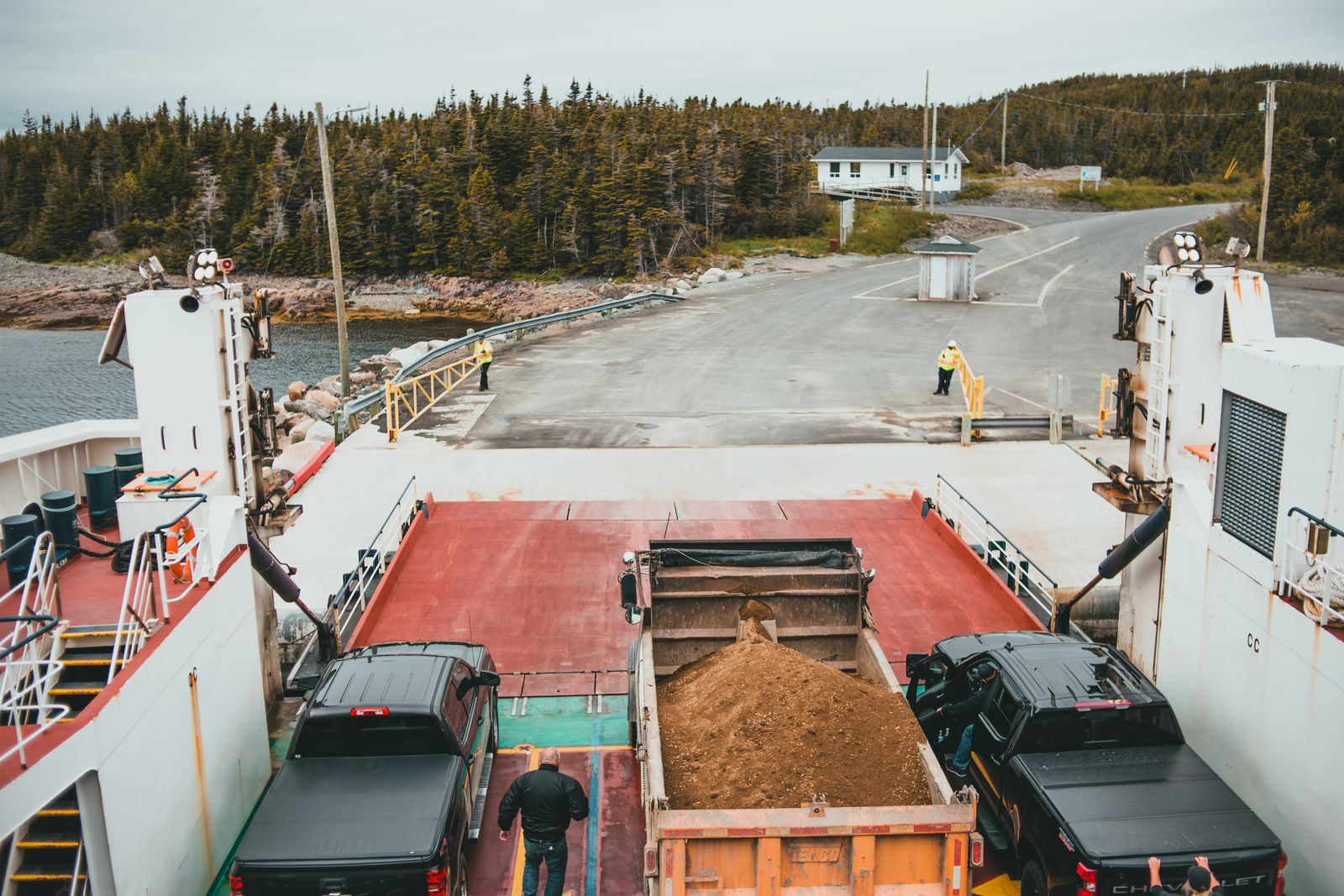
The fix experienced small buyers use isn’t shipping alone — it’s timing the purchase to an existing groupage cycle, not fighting one.
Ask your forwarder two questions before you commit a deposit, not after: (1) what destination-port groupage runs do they currently have open, and how many slots are filled; (2) what is the realistic sail date if your vehicle is the last one needed to fill the box, versus if it has to wait for others.
A forwarder who can’t answer either question specifically is guessing, and you inherit the guess as dead time and yard fees.
Buyers who coordinate two or three units — splitting a single 20-foot or 40-foot box with a relative, business partner, or another verified buyer sourcing from the same the Korean domestic listing market auction lot in the same week — routinely cut both the per-unit freight rate and the wait-for-groupage exposure, because they’re not depending on a stranger’s purchase timeline to complete the container.
How is LCL vehicle shipping different?
Standard less-than-container-load (LCL) cargo consolidation, common in general trade, isn’t a clean analogy for vehicles.
Vehicles need chocking, wheel-strapping, and often plywood dunnage between units to survive an ocean crossing without paint or bumper damage — work that has to happen once, when the container is finally stuffed, not incrementally as each car arrives.
That’s precisely why a single vehicle can’t “join” a container mid-transit the way a pallet of goods can; the whole box gets restuffed and resealed only when the forwarder has committed units in hand.
Ask specifically whether your forwarder uses wheel-net strapping or wood-block chocking — wheel straps reduce shift risk on rough RoRo-adjacent handling far better than block-and-brace alone, and it’s a fair question to ask before, not after, your car is inside a sealed container you can no longer inspect.
When does marine insurance actually start?
Small-volume buyers often assume their cargo insurance coverage begins the moment they pay the auction house or dealer.
In practice, most marine cargo policies written for Korea-Africa vehicle exports are warehouse-to-warehouse or port-to-port, meaning the coverage window is tied to the Bill of Lading date — the date the container is actually loaded and the vessel sails — not the date you paid for the car.
If your vehicle sits in a bonded yard near Busan New Port for three extra weeks waiting on groupage partners, that pre-shipment dwell time is often outside the marine policy’s coverage unless you’ve specifically arranged extended storage cover with your forwarder or broker.
Ask explicitly: does my policy’s coverage start at vehicle receipt into the yard, or at Bill of Lading date?
The gap between those two dates is exactly the groupage wait window described above, and it’s an uninsured gap for a lot of small buyers who never think to ask.
A five-question checklist before you pay a deposit
Buyers who avoid the worst of the consolidation trap tend to ask the same handful of questions upfront, before money changes hands, rather than after their vehicle is already sitting in a Korean bonded yard:
- Is this a dedicated container or a groupage slot? If groupage, how many of the remaining slots are already committed with a paid deposit, versus just verbally promised?
- What is the realistic sail date if I’m the last unit needed, and what is it if the box is still short one or two vehicles? Get a range, not a single date.
- When does free storage time end at the Korean yard, and what is the daily rate after that — is it charged to me directly or absorbed by the forwarder as part of their service fee?
- Does my marine cargo cover start at vehicle receipt or at Bill of Lading date? If there’s a gap, can I buy supplemental storage cover for the difference?
- What is the de-stuffing/unstitching fee at the destination port if my vehicle needs to be separated from a shared container, and who is responsible for scheduling it — the forwarder, or my local clearing agent?
None of these questions are unusual or aggressive to ask.
Established forwarders working the Busan-to-West-Africa and Busan-to-East-Africa corridors answer them routinely for fleet buyers; the problem is that a one- or two-car buyer often doesn’t know to ask, and gets a generic FOB-plus-freight quote that quietly assumes a dedicated or near-full container.
How do you coordinate a shared container?
You don’t need to become a freight forwarder to benefit from consolidation economics.
The buyers who do this well typically find one or two other purchasers — often through the same diaspora networks, WhatsApp import groups, or auction-agent referrals that led them to the Korean domestic listing market in the first place — targeting the same discharge port within the same two-to-three-week window, and approach a single forwarder together as a pre-committed group rather than as strangers hoping to be matched.
A forwarder who already has three confirmed, deposited vehicles for a Tema-bound box has far less incentive to let it sit half-empty than one hoping a fourth stranger shows up.
That single change — showing up as a coordinated group of two or three instead of one hopeful buyer — is the difference between a two-week sail and a five-week one in most of the groupage delays small buyers report.
The practical takeaway
If you’re buying one or two vehicles, budget for a minimum 2-4 week hold at origin as the realistic case, not the exception, and get your destination clearing agent and documents ready before the vessel sails, not after it arrives — free time at Tema, Lagos, or Mombasa is short enough that a delayed clearing agent alone can turn a profitable single-unit import into a break-even one.
The buyers who do this repeatedly and profitably aren’t the ones who found the lowest FOB price at auction. They’re the ones who treated the container-fill wait and the demurrage clock as real, budgeted line items from the first quote — not surprises on the final invoice.
Sourcing Korean stock for your next container? Tell us the destination port, the model year you are targeting and the spec, and we come back with matched units and a landed figure per unit. Start at SK AutoSphere, or browse the parts catalogue.