Marine Cargo Insurance for Korean Vehicle Imports to Africa: A Buyer’s Guide
Word target: 1,200–1,800
The short version
- The Institute Cargo Clauses (ICC A) gives broadest cover; ICC C covers only named perils.
- The Busan–Tema corridor is 20,000+ nautical miles via the Cape of Good Hope.
- d auction yard (a manufacturer-run auction house auction hall at Incheon, JCA’s Daejeon lot, or the Japanese auction system) through land transport to Busan New Port Terminal (BNPT) or North Container Terminal (NCT), including staging.
- over — separate policy required if shipping via Red Sea routing When negotiating, always ask: “Does your CIF price include Institute Cargo Clause A cover on the declared invoice value + 10%?” If the answer is vague, buy your own.
Quick Answer
Marine cargo insurance for Korean used vehicles shipped to West Africa typically costs 0.5%–1.2% of the vehicle’s CIF (cost + insurance + freight) value — roughly $100–$250 per unit on a $12,000–18,000 Hyundai Santa Fe.
The Institute Cargo Clauses (ICC A) gives broadest cover; ICC C covers only named perils.
Buyers in Ghana, Nigeria, and Côte d’Ivoire can purchase cover through Korean exporters at the source, local brokers accredited by the Ghana Insurance Commission (GIC) or NAICOM, or Lloyd’s of London syndicates via Accra/Lagos correspondents.
Never ship without it — an uninsured container lost at Abidjan’s Terminal Vridi or Apapa Wharf is a total financial write-off with no recourse.
Why does marine cargo insurance matter?
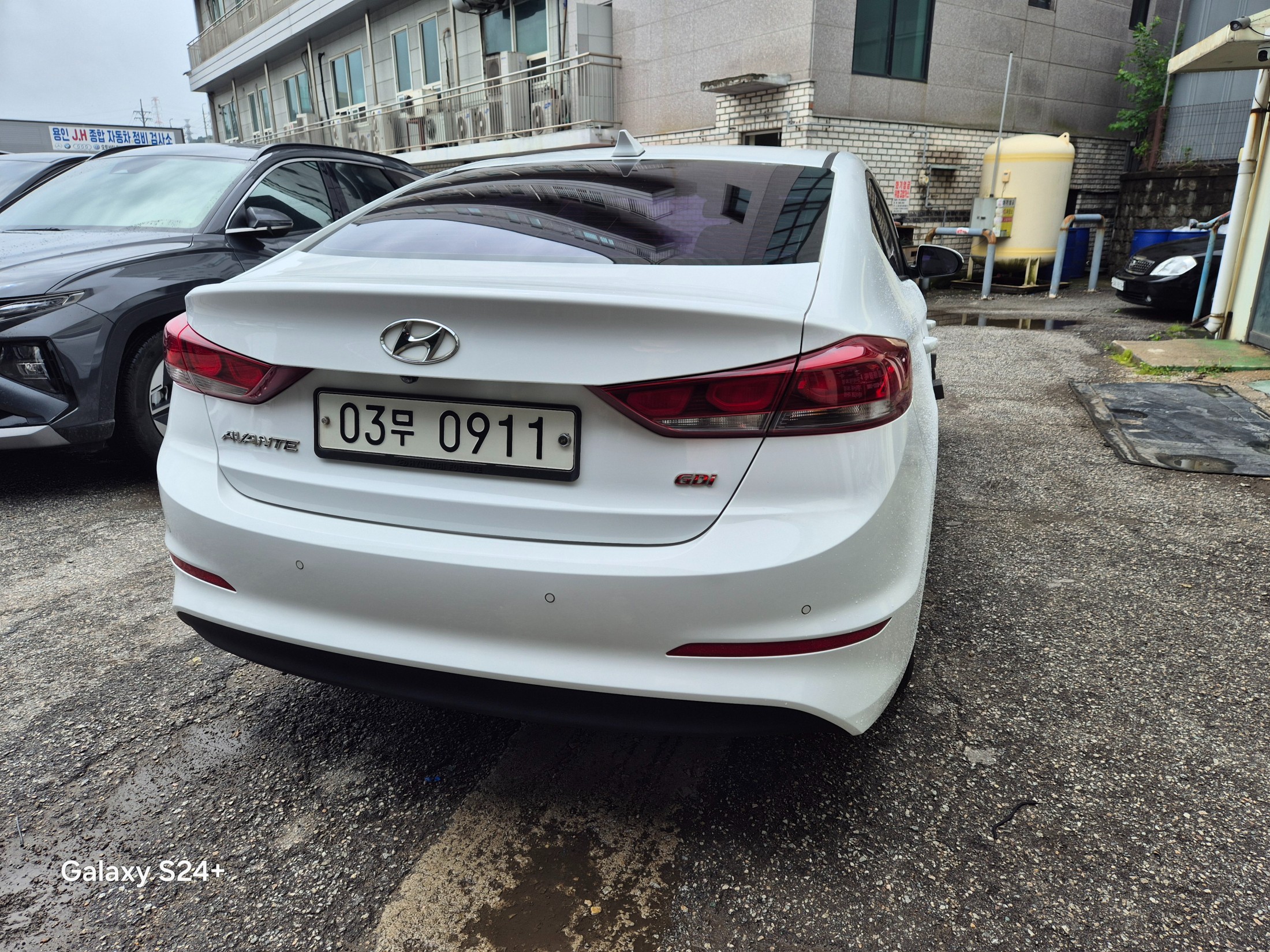
The Busan–Tema corridor is 20,000+ nautical miles via the Cape of Good Hope.
A 40-foot High Cube container carrying three mid-size SUVs crosses the South Atlantic, rounds Cape Agulhas, and transits the Gulf of Guinea — waters with seasonal swells exceeding six metres and documented general average events at Lomé, Cotonou, and Apapa anchorage.
Between January 2023 and March 2026, West African terminals recorded at least four publicized container damage events involving Korean used-vehicle consignments, with average losses exceeding KRW 35 million ($20,000–32,000) per affected shipper.
The Incoterm you agree to at the point of export defines who bears the risk — and most Korean exporters default to FOB Busan or CFR Tema/Lagos, meaning the marine risk transfers to you the moment the container crosses the ship’s rail.
Your Korean exporter’s cargo policy, if they have one, covers their domestic exposure only.
What are the three insurance windows?
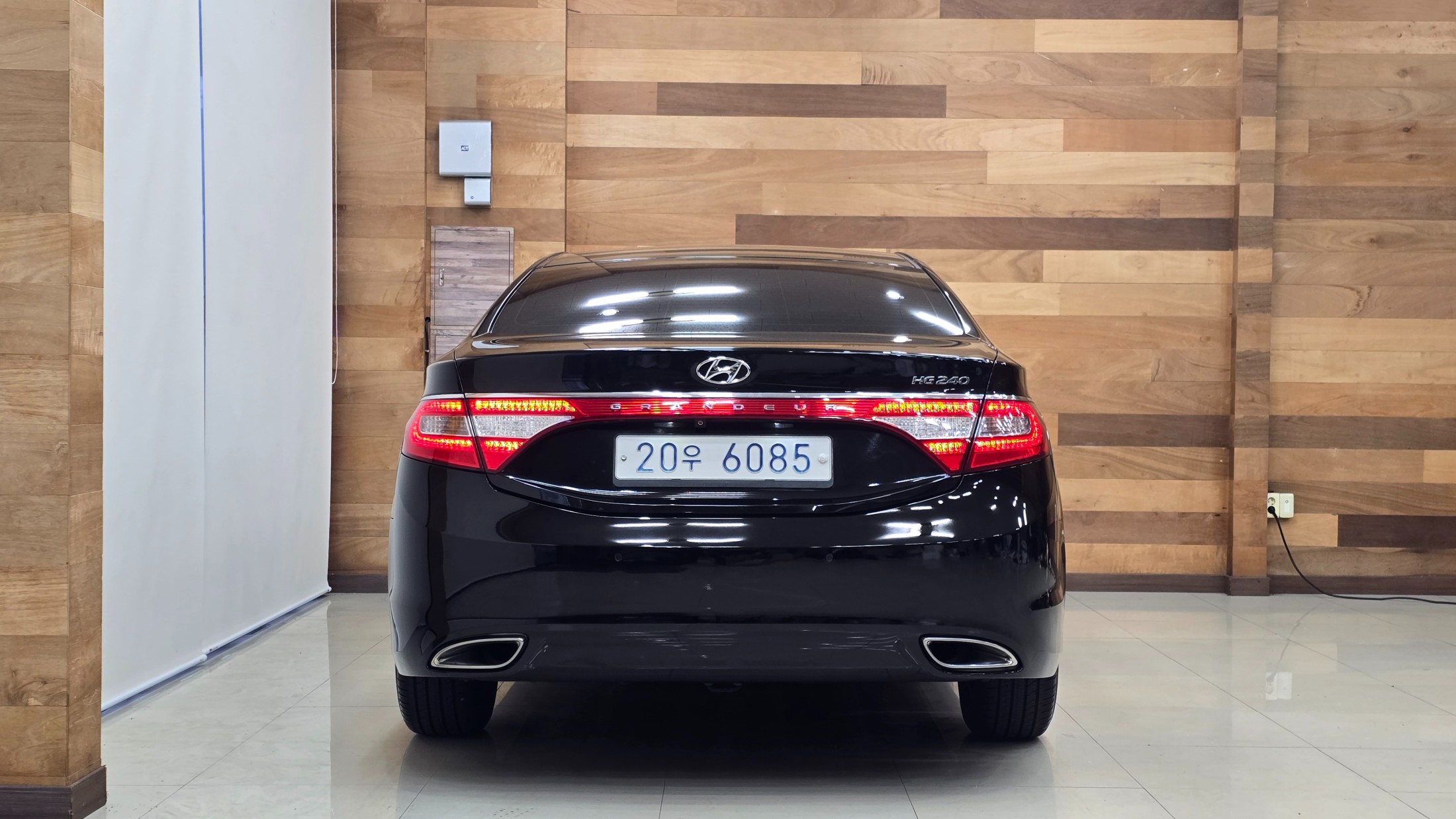
Window 1: Warehouse-to-Port (Korean End)
This covers the vehicle from the inland auction yard (a manufacturer-run auction house auction hall at Incheon, JCA’s Daejeon lot, or the Japanese auction system) through land transport to Busan New Port Terminal (BNPT) or North Container Terminal (NCT), including staging.
Korean auto exporters accredited to the Korea Trade Insurance Corporation (K-SURE) can arrange this leg, but it is rarely included in a standard export quote — ask explicitly.
Cover this leg yourself if your exporter ships FOB or CFR. The Korea Non-Life Insurance Association (KNIA) lists licensed marine underwriters; Hyundai Marine & Fire Insurance and Samsung Fire & Marine are the two largest with English-language export desks.
Window 2: Port-to-Port (Ocean Transit)
This is the main exposure leg. Standard policy language follows the London Institute Cargo Clauses:
| Clause | Cover scope | Exclusions to watch |
|---|---|---|
| ICC A (All-Risks) | Broadest — covers all external risks of physical loss or damage | Inherent vice, delay, insufficient packing |
| ICC B | Named perils + general average | Theft, fresh-water damage, oil contamination |
| ICC C | Major casualty only (fire, sinking, collision) | Does not cover container damage or shifting |
For used vehicles, insist on ICC A + SRCC (strikes, riots, civil commotions) rider. The SRCC rider is essential for port calls at Cotonou, Lagos, and Abidjan given documented industrial actions at these terminals.
Rate benchmarks (CIF basis, July 2026 market):
– Busan to Tema (Ghana): 0.55%–0.80% ICC A
– Busan to Apapa (Nigeria): 0.70%–1.10% ICC A + SRCC (NAICOM-reported risk uplift)
– Busan to Abidjan (Côte d’Ivoire): 0.60%–0.90% ICC A
Declared value must match the invoice value plus freight plus 10% uplift (standard CIF + 10% per ICC practice).
Window 3: Port-to-Dealer Yard (African End)
Once cleared through Tema Free Zone or PAAR/SON inspection at Apapa, the vehicle moves by truck to your yard. This “inland transit” leg is separate. In Ghana, the Ghana Insurance Commission mandates motor transit cover for any vehicle movement on public roads before registration.
In Nigeria, NAICOM’s Motor Third Party Act applies, but hull cover for the clearance transit leg is often ignored — and then a truck rolls, and the buyer is uninsured.
Source inland transit cover from:
– Ghana: Enterprise Insurance, Star Assurance (GIC-licensed, English documents)
– Nigeria: AXA Mansard, Leadway Assurance (NAICOM-licensed)
– Côte d’Ivoire: NSIA Assurances, Atlantique Assurances (CIMA-zone compliant)
What does the exporter’s quote actually include?
A standard pro-forma invoice from an the Korean domestic listing market-registered exporter or member of the Korea Automobile Dealers Association (KADA) typically includes:
- ✅ Vehicle price (KRW, with USD equivalent)
- ✅ Local trucking to Busan port
- ✅ Export customs clearance (Gyeonggi Customs or Busan Customs)
- ✅ Ocean freight (if CFR/CIF quote)
- ❌ Marine cargo insurance — almost always absent unless explicitly requested
- ❌ War risk cover — separate policy required if shipping via Red Sea routing
When negotiating, always ask: “Does your CIF price include Institute Cargo Clause A cover on the declared invoice value + 10%?” If the answer is vague, buy your own.
What is General Average and why does it matter?
If the vessel suffers a casualty — fire in the engine room, grounding in Lomé Roads — and the master declares General Average (GA) under the York-Antwerp Rules 2016, every shipper on board must contribute to the loss in proportion to the value of their cargo.
Without a marine cargo policy, you must post a GA bond (sometimes 20%–40% of cargo value in cash or bank guarantee) before your containers are released. GA bonds at Lagos have historically run $8,000–$25,000 per container depending on the incident scale.
With an ICC A policy, your insurer posts the bond and handles the adjuster (usually Richards Hogg Lindley or McLarens appointed by the shipping line).
How do you buy marine cargo cover?
- Confirm the trade term (Incoterm) in your contract — FOB, CFR, or CIF.
- Calculate the insurable value: Invoice value + freight (if FOB) + 10%.
- Select clause: ICC A + SRCC as minimum for West Africa.
- Choose your underwriter:
– Korean end: Hyundai Marine & Fire, Samsung Fire & Marine (English desks)
– African end: Ghana — Enterprise Insurance; Nigeria — AXA Mansard
– International capacity: Lloyd’s via Accra correspondent brokers (Willis Towers Watson Ghana, AON Nigeria) - Request an “open cover” certificate if you import more than 4–6 units per year — it auto-covers each shipment on declaration, saving per-shipment admin cost.
- Declare each consignment before the vessel departs Busan — post-departure declarations are grounds for claim denial.
- Survey on arrival: engage a Korea Trade-Korea Inspection Corporation (KOTITI) or Bureau Veritas surveyor at port of destination to document any damage before clearing customs.
Why do marine cargo claims get rejected?
Insufficient packing note: Vehicles must be properly blocked and braced inside containers. Claims for load-shift damage are frequently denied when the container was packed by the shipper without a professional stuffing certificate from the terminal. BNPT offers certified stuffing services for KRW 180,000–250,000 per container — worth every won.
Pre-existing damage undeclared: If an the Korean domestic listing market S-grade vehicle with a front-end repair is declared “clean” on the insurance application and later sustains related damage in transit, the insurer may void the whole claim.
The inspection report (AI condition report or physical SGS inspection) should be attached to the insurance application.
War risk for Red Sea routing: Shipping lines have largely avoided the Bab-el-Mandeb since late 2023. Some vessels on the Korea–West Africa lane still transit Suez. If your bill of lading shows a Suez routing, you need a separate war risk certificate (Joint War Committee listed waters).
Cost: approximately 0.15%–0.30% additional on CIF value.
Bottom Line for SK AutoSphere Buyers
All vehicles sold through SK AutoSphere’s verified listings ship with a documented AI condition report and, for premium-tier listings, an SGS or KOTITI pre-export inspection certificate. We recommend buyers take ICC A + SRCC cover from a GIC- or NAICOM-licensed underwriter at a minimum.
We can connect buyers with our preferred broker contacts in Accra and Lagos on request — this is not an insurance service, it’s a practical shortcut so you’re not sourcing cover blind on a $16,000–24,000 import.
Ship insured. Every time.
Sources: Korea Non-Life Insurance Association (KNIA) marine rate bulletin Q2 2026; Ghana Insurance Commission licensed insurer list (updated June 2026); NAICOM Marine & Aviation guidelines 2025; York-Antwerp Rules 2016 (CMI); Institute Cargo Clauses A/B/C (ILU London 2009 revision).
Sourcing Korean stock for your next container? Tell us the destination port, the model year you are targeting and the spec, and we come back with matched units and a landed figure per unit. Start at SK AutoSphere, or browse the parts catalogue.