The Real Landed Cost of a Korean Used Car in West Africa: A Line-by-Line Breakdown
The number that sinks new importers is not the auction price. It is the gap between what you paid for the car in Korea and what it costs to actually drive it out of the port in Tema or off the Tin-Can terminal in Lagos.
That gap — freight, insurance, duty, levies, terminal handling, agent fees, FX slippage — routinely runs 60% to 130% on top of the FOB price, and almost none of it is visible on an the Korean domestic listing market listing.
This guide walks the whole stack, line by line, so you can build a landed-cost sheet before you wire a single won.
Important: every figure below is an approximate range for orientation, not a quote. Duty rates, age limits, and levies differ by country and change without warning. Treat this as a template to fill in with live numbers, not a price list.
The short version
- Importers lose money by confusing these. Get them straight first.
- Take a clean, mid-grade 2016–2018 Hyundai Sonata or Kia Sportage off the Korean domestic listing market.
- This is the single biggest swing in the sheet, and the RoRo-versus-container decision drives it.
- Skipping this to save money is how a single rough crossing wipes out a quarter’s profit.
Which four prices are you actually comparing?
Importers lose money by confusing these. Get them straight first.
- Auction / retail price (Korea, KRW) — the hammer price at a house like a Korean auction house or a manufacturer-run auction house, or the asking price on the retail aggregators the Korean domestic listing market and the export-facing aggregators. This is the smallest number you will see.
- FOB Busan / FOB Incheon — the car delivered onto the vessel at the port of loading, including Korean inland transport, export de-registration (말소), and document handling. Free On Board under Incoterms: risk passes to you once it’s on the ship.
- CFR / CIF (destination port) — Cost and Freight adds the ocean freight to FOB; Cost, Insurance and Freight adds marine insurance on top. This is the number your destination customs uses as the base for duty.
- Landed cost — CIF plus duty, levies, port and terminal charges, and your clearing agent. This is what the car has actually cost you the moment it’s yours at the gate.
The whole game is converting a Korean retail price into a defensible landed cost — then checking it still leaves a margin against what a comparable unit sells for in Accra or Lagos.
Line 1 — The car and the FOB add-ons
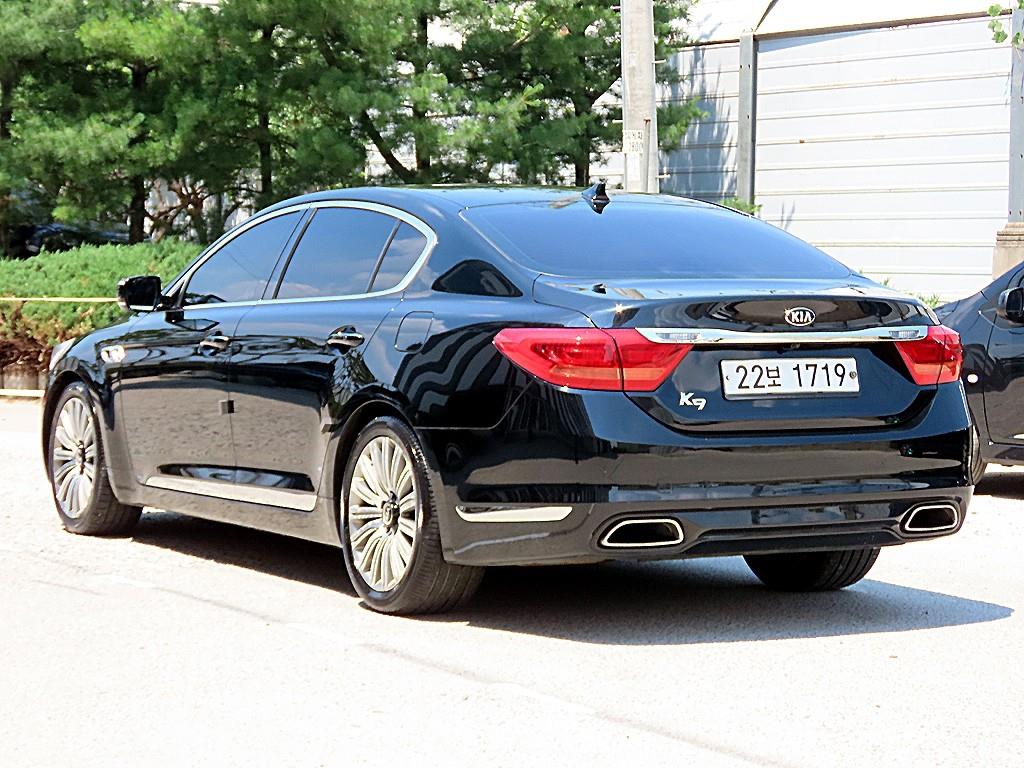
Take a clean, mid-grade 2016–2018 Hyundai Sonata or Kia Sportage off the Korean domestic listing market.
Representative retail today sits roughly in the KRW 9–16 million band depending on grade, mileage, and trim — call it ~USD 6,500–11,500 at a mid-1,300s won/dollar rate (the rate moves; check it the day you buy).
On top of the car, before it’s on the ship:
- Korean inland haulage to Busan/Incheon yard — roughly USD 80–250 depending on distance from the seller.
- Export de-registration (말소등록) and export plates — the car must be struck off the Korean registry before it leaves. Budget USD 100–200 in fees plus agent handling.
- Loading / yard / documentation — a modest but real USD 100–200.
These add-ons are exactly where a thin or dishonest sourcing agent pads the invoice, so itemise them.
Line 2 — Ocean freight: RoRo vs container
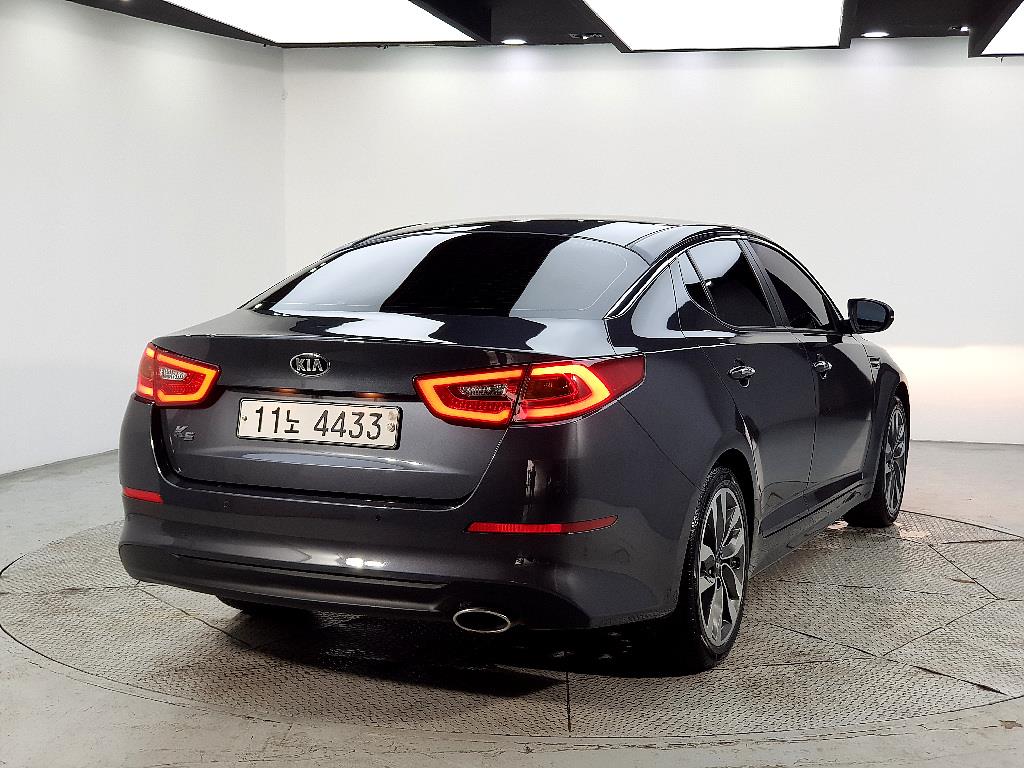
This is the single biggest swing in the sheet, and the RoRo-versus-container decision drives it.
RoRo (roll-on/roll-off) — the car is driven onto a dedicated car carrier. Cheaper per unit for a single vehicle and faster to load. Indicative Busan → Tema or Lagos RoRo: ~USD 900–1,800 per sedan, more for SUVs and pickups.
The catch: nothing can be left inside the vehicle, and RoRo exposes the car to dock handling and pilferage at busy West African terminals.
Container (20ft / 40ft) — one sedan in a 20ft, two to three in a 40ft if professionally lashed.
Per-car cost in a shared 40ft can undercut RoRo, roughly USD 700–1,300 per car when you fill the box, and you can legally load spare parts around the vehicle — useful if you also sell parts.
The catch: you need volume to make the economics work, and container space out of Busan tightens (and prices spike) around peak season.
Rule of thumb we use: single car → RoRo; two-plus cars or cars-plus-parts → consolidate a 40ft container. Transit Busan → Tema or Lagos typically runs ~35–55 days port-to-port, longer with transhipment through hubs; build at least two extra weeks of buffer into any promise you make a buyer.
Line 3 — Marine insurance
Skipping this to save money is how a single rough crossing wipes out a quarter’s profit. Marine cargo cover (the “I” in CIF) typically costs ~1.5–3% of CIF value. On a USD 9,000 car that’s roughly USD 150–300.
Cheap relative to a total loss at sea or a container rolled off a stack.
Line 4 — Duty and levies (this is country-specific and where deals die)
Here the single most important rule: the destination country, not Korea, sets the cost, and the rules move. Two live examples for West Africa, both to be re-verified before you quote:
Ghana (Tema)
- Imports are processed through ICUMS (Integrated Customs Management System), which assesses duty on the CIF value.
- Ghana applies an age-based regime around a ~10-year line from year of manufacture. Vehicles beyond it attract a penalty / overage charge layered on top of normal duty — practitioners report this scaling from a few percent for marginally overage cars up to 50%+ for cars 15–20 years old. The GRA does not publish a single codified penalty table, so the actual assessment depends on how ICUMS values your specific unit.
- Practical effect: a 2015-or-newer car keeps you on the right side of the standard regime. Older stock can still pencil out, but only if you model the overage charge in advance.
Nigeria (Tin-Can Island / Apapa, Lagos)
- The headline structure on a used (“tokunbo”) car is commonly ~35% import duty plus a ~35% levy, applied on the customs-assessed value — which is not simply your invoice; Customs runs its own valuation.
- Age policy is in flux: the national line is 12 years, but in 2025 some port commands — Tin-Can Island in particular — began enforcing a stricter ~10-year cut-off. Confirm which rule the specific command is applying the week you ship.
- All-in clearing for a typical tokunbo sedan at Apapa or Tin-Can has been running in the order of ₦2.5–3 million in combined duties and fees at recent rates.
Operator note: these are the two most volatile lines in the whole sheet. ECOWAS member rules, the West African common external tariff, and individual port enforcement all drift. Never reuse last quarter’s duty assumption.
Line 5 — Port, terminal, and the clearing agent
Once the vessel berths, the local stack begins:
- Terminal handling / port charges (THC, wharfage, container deposit if applicable) — commonly USD 300–700 at Tema or Lagos, more if the box is detained.
- Clearing / customs agent — a competent local agent who knows the ICUMS or Nigeria Customs workflow is worth paying for; budget USD 200–500. The cheap agent who can’t release your car for three weeks is the expensive one once demurrage starts.
- Demurrage and storage — the silent killer. Every day past free time accrues. This is why your documents — bill of lading, the Korean export de-registration, the auction/performance record, and a clean invoice — must arrive before the vessel does.
What does a full landed-cost sheet look like?
For a clean 2016 Sonata, single unit, RoRo to Tema, all figures approximate and FX-sensitive:
- Car (FOB-ready, the Korean domestic listing market mid-grade): ~USD 8,000
- Korean inland + de-reg + loading: ~USD 400
- RoRo Busan → Tema: ~USD 1,300
- Marine insurance: ~USD 250
- CIF subtotal: ~USD 9,950
- Duty + any age penalty (ICUMS-assessed): highly variable — model it
- Tema terminal + agent: ~USD 700–1,000
Even before duty, you are roughly USD 1,950 over the car price. Add duty and the realistic landed cost on a clean compliant unit commonly lands 60–100% above FOB. Older or higher-value units skew higher.
Takeaways
- Build the sheet before you buy. The auction price is the smallest number in the deal; landed cost is what determines margin.
- CIF is the duty base in both Ghana (ICUMS) and Nigeria, but each runs its own valuation — your invoice is an input, not the answer.
- Age limits are the deal-breaker, not the duty rate. Ghana’s ~10-year overage regime and Nigeria’s shifting 10-vs-12-year enforcement (watch Tin-Can) can turn a profitable unit into a loss.
- RoRo for ones, container for volume or cars-plus-parts. Transit Busan → West Africa is ~35–55 days; promise buyers with a buffer.
- FX moves under you. Won/dollar and the destination-currency rate both shift between purchase, shipping, and clearance — quote in a way that protects you.
- Documents before the vessel. Demurrage is invisible until it’s eating your margin.
All cost bands, duty rates, and age limits above are approximate and change frequently. Verify against live the Korean domestic listing market listings, a current freight quote, and the destination country’s customs authority before quoting any buyer.
Sourcing Korean stock for your next container? Tell us the destination port, the model year you are targeting and the spec, and we come back with matched units and a landed figure per unit. Start at SK AutoSphere, or browse the parts catalogue.