Reading a Korean VIN and Trim Code: What the Chassis Number Tells You Before You Buy
An African importer receives a listing: “Hyundai Tucson 2020, diesel, full option, excellent.” Four descriptive words, none of them verifiable. The chassis number in the same message is worth more than the entire description, because it is the one part of the listing that can be checked against something.
Learning to read it takes an afternoon and it changes what you can establish before money moves.
The short version
- A vehicle identification number is seventeen characters, standardised internationally.
- Can: manufacturer, country of manufacture, model line, body type, engine family, model year, plant, and whether the number is internally consistent.
- Hyundai and Kia identify generations by internal project codes, and those codes are used throughout the Korean market.
- Korean domestic vehicles are sold in trim hierarchies with local names, and the trim determines a great deal of what an African buyer actually cares about — leather, sunroof, driver assistance systems, wheel size, infotainment.
The VIN structure
A vehicle identification number is seventeen characters, standardised internationally. It divides into three parts:
Characters 1 to 3 — the World Manufacturer Identifier. This identifies the manufacturer and the country of manufacture. Korean-built Hyundai passenger vehicles commonly carry KMH; Korean-built Kia passenger vehicles commonly carry KNA.
Other prefixes appear for commercial vehicles, for the group’s other marques, and for vehicles built in the group’s overseas plants — a Hyundai built outside Korea does not carry a Korean prefix.
That last point matters commercially. A vehicle sold as “Korean” that carries a non-Korean manufacturer identifier was not built in Korea, whatever its badge says, and its history and specification will differ from Korean domestic stock.
Characters 4 to 8 — the vehicle descriptor section. Model line, body type, restraint system, engine type. This is where the specification actually lives, and it is manufacturer-specific.
Character 9 — the check digit, calculated from the others. A VIN with an incorrect check digit is a transcription error or a fabrication.
Character 10 — the model year code. This is a rolling letter and digit sequence, and it repeats on a thirty-year cycle, so it identifies the model year within an era rather than absolutely.
Character 11 — the assembly plant.
Characters 12 to 17 — the serial number.
What you can establish from it, and what you cannot
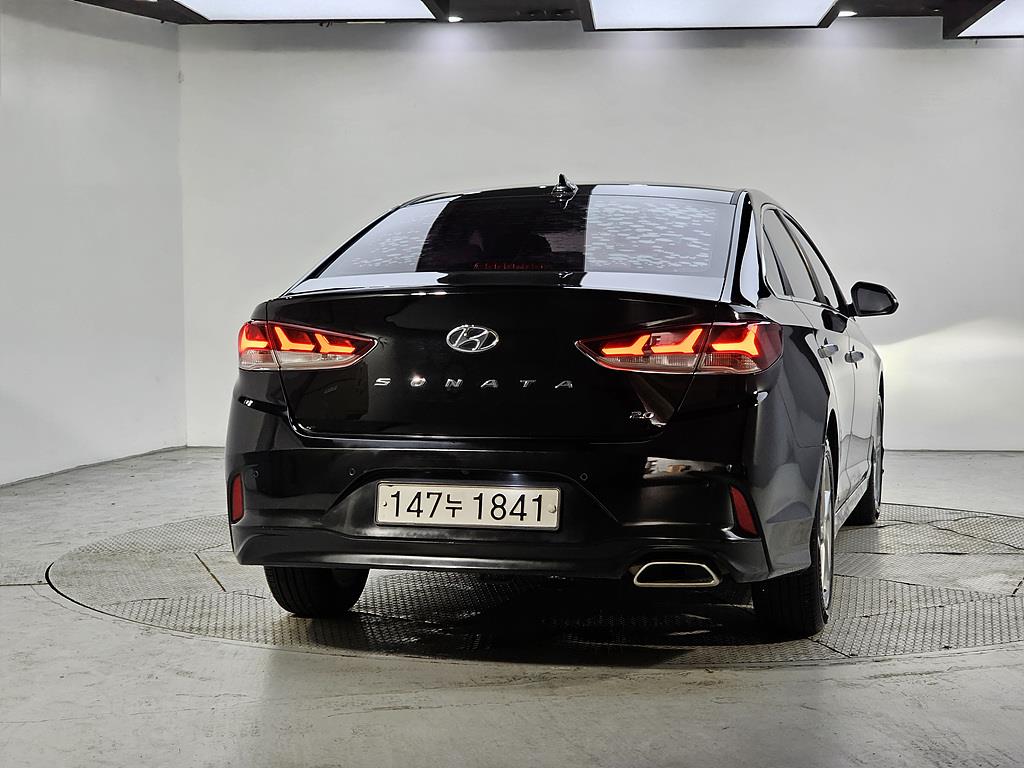
Can: manufacturer, country of manufacture, model line, body type, engine family, model year, plant, and whether the number is internally consistent.
Cannot: mileage, condition, accident history, service history, or whether the vehicle currently exists in the state described. The VIN identifies the vehicle; it says nothing about what has happened to it.
That distinction is why the VIN is a screening tool, not a due-diligence substitute. It filters out mismatches — a “2021 Tucson” whose VIN says 2017, a “Korean” vehicle built elsewhere, a diesel that is a petrol — cheaply and immediately.
Everything else needs the registration record and the grade sheet.
Korean model codes are more useful than model names
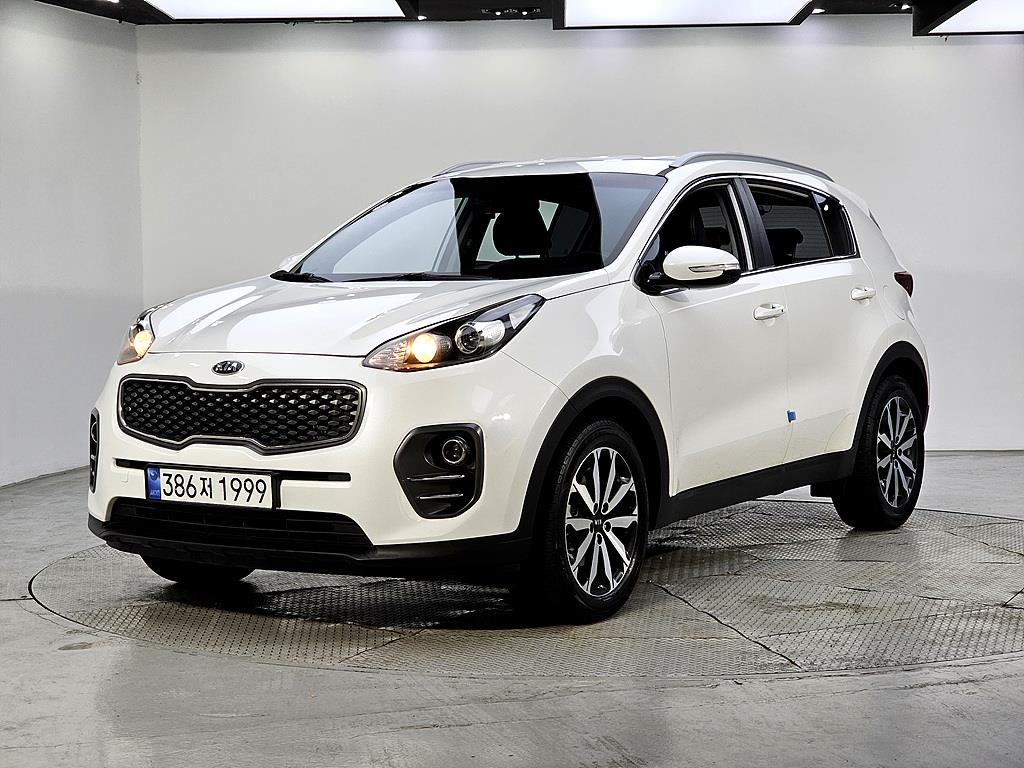
Hyundai and Kia identify generations by internal project codes, and those codes are used throughout the Korean market. Knowing them removes a large amount of ambiguity, because “Tucson” has meant four quite different vehicles.
The codes that matter for current African import supply:
- Hyundai Tucson: TL for the generation launched in the mid-2010s, NX4 for the current one.
- Kia Sportage: QL for the mid-2010s generation, NQ5 for the current one.
- Hyundai Santa Fe: DM, then TM, then MX5.
- Kia Sorento: UM, then MQ4.
- Kia Carnival: YP, then KA4.
- Hyundai Grand Starex: TQ.
- Hyundai Avante / Elantra: AD, then CN7.
- Kia K5 / Optima: JF, then DL3.
Quoting a code rather than a name to a Korean-side agent changes the conversation. “NX4, 2021 or later, diesel” is a specification. “A newer Tucson” is a hope.
Trim and option codes
Korean domestic vehicles are sold in trim hierarchies with local names, and the trim determines a great deal of what an African buyer actually cares about — leather, sunroof, driver assistance systems, wheel size, infotainment.
The practical approach is not to memorise trim names but to require the specification to be stated in features rather than in trim labels. “Full option” is not a specification; it is a sales phrase and it means whatever the seller wants.
A list — sunroof yes or no, leather yes or no, reversing camera, blind-spot monitoring, wheel size, transmission type — is a specification, and it can be checked against the vehicle at inspection.
Diesel, petrol, hybrid: verify from the VIN, not the description
Engine type is encoded in the descriptor section, and it is the specification detail most often misstated in listings — sometimes carelessly, sometimes not.
This matters more than it looks for African importers, for two reasons. Duty and excise in many destinations are structured by engine type and displacement, so a petrol unit declared as a diesel, or a 2.0 declared as a 1.6, is a classification problem at the port.
And a modern Korean diesel carries emissions aftertreatment hardware whose suitability for the destination’s fuel quality is a serious operational question in its own right.
Establish engine type and displacement from the VIN and the registration record before purchase, and make them explicit on the proforma invoice.
The three-way match, before any deposit
The discipline that this all serves:
- Get the VIN in writing. Not a photograph of a listing — the number, typed, from the agent.
- Check it is internally consistent — seventeen characters, valid check digit, manufacturer identifier matching the claimed brand and country, model year character matching the claimed year.
- Require it to appear identically on the Korean registration record, the export deregistration certificate, the proforma invoice, the auction grade sheet and the bill of lading.
An agent who cannot produce a VIN that survives those three steps is not holding the vehicle they are describing. That determination costs an afternoon of learning and five minutes per unit, and it is the cheapest protection available anywhere in the process.
Sourcing Korean stock for your next container? Tell us the destination port, the model year you are targeting and the spec, and we come back with matched units and a landed figure per unit. Start at SK AutoSphere, or browse the parts catalogue.