How African Importers Access Korean Used Car Auctions: Glovis, AOS, and Hanil Explained
Every Korean export broker you speak to has a price list.
What they almost never share is where that price comes from — the auction floor at Glovis AutoAuction in Seongnam, the Hanil Motor Auction lanes in Gunsan, or a closed-bid session at AOS (Auto Owners Service, 오토오너스) where 400 vehicles move in a single morning.
Understanding that system is the difference between a buyer who accepts a broker quote and one who negotiates from knowledge.
This guide is for West African importers — dealer principals in Accra, fleet managers in Lagos, and sourcing agents in Douala — who want to understand the architecture of Korean used-vehicle supply before they wire a deposit.
The short version
- Korea’s domestic used-vehicle market runs on seven major auction companies, not on classified listings.
- 1. Glovis AutoAuction (현대글로비스 오토옥션) Hyundai Motor Group’s logistics arm operates what is effectively the most transparent auction in Korea.
- The Korean auction grade system runs from 1 (near-new or unregistered) → 6 (severe structural damage or major mechanical failure).
- The Indirect Route (80% of the market) Most African importers work through a Korean export broker who has auction access.
Why the Auction System Matters to You
Korea’s domestic used-vehicle market runs on seven major auction companies, not on classified listings. the Korean domestic listing market (the domestic retail aggregators) are retail-facing platforms where end-consumers browse and contact dealers — but dealers themselves buy and sell stock at closed auction lanes.
A vehicle listed on the Korean domestic listing market for ₩14,000,000–23,000,000 ($11,000–17,000 USD at current rates) was likely purchased at Glovis or AOS for ₩14,200,000–₩15,800,000 three to six weeks earlier.
When a broker quotes you “$8,000–13,000 FOB Busan for a 2020 Tucson with 68,000 km,” they’re working from an auction buy price plus their margin (typically 8–14% on the vehicle value) plus prep, export licensing, and port handling.
If you understand what the underlying auction price range is, you can tell immediately whether that quote is fair or whether the broker bought cheap and is clearing 20%+.
The Four Auction Houses That Matter for Export
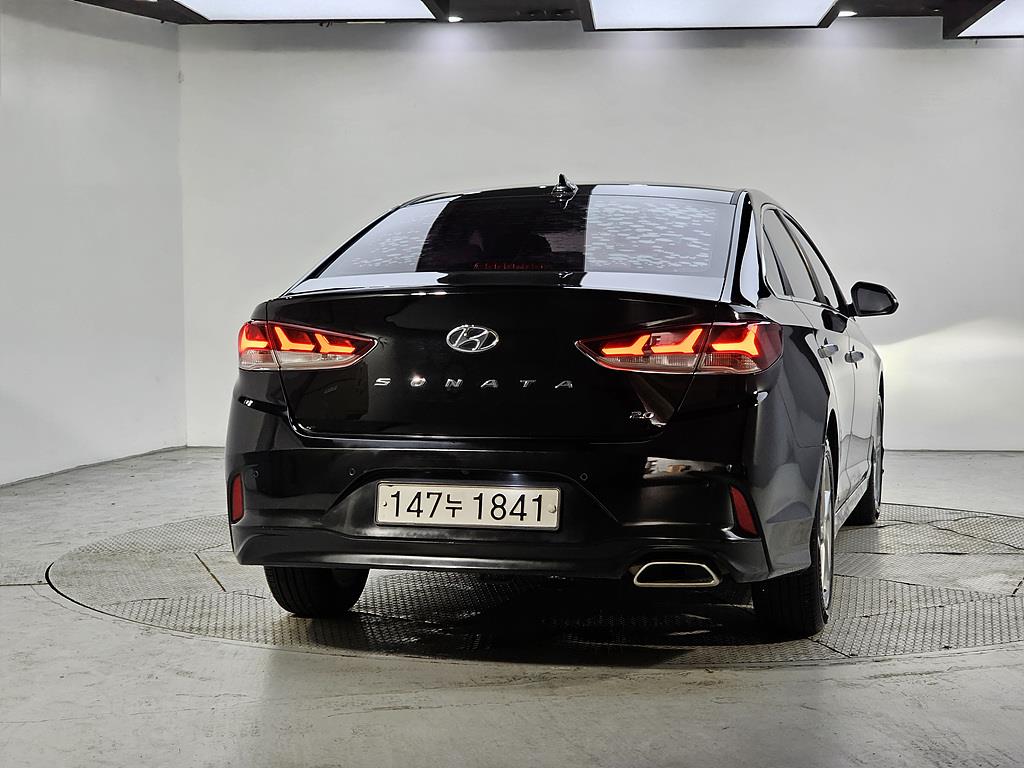
1. Glovis AutoAuction (현대글로비스 오토옥션)
Hyundai Motor Group’s logistics arm operates what is effectively the most transparent auction in Korea. Glovis runs physical lanes in Seongnam (Gyeonggi-do, accessible from Seoul in 30 minutes) and in Busan — strategically located 12 km from the Sinseondae RoRo terminal at Busan New Port.
Glovis holds auctions Tuesday and Thursday in Seongnam; Busan runs Friday lanes. The Busan location matters: vehicles sold there can be staged for export within 48–72 hours without a second inland move. For importers paying per-container or per-vehicle-slot on RoRo, that saves ₩180,000–₩350,000 per unit in haulage costs.
Grade transparency: Glovis is the only major Korean auction that publishes grade inspector names alongside vehicle reports. That accountability matters. Inspectors are rotated quarterly and work under KACA (Korea Automobile Career Association) certification. An “S” grade at Glovis (the highest, for unregistered or near-new vehicles) means something traceable.
Restriction for African importers: Glovis is a dealer-only auction. You cannot register directly from Nigeria or Ghana. You need a licensed Korean buying agent (수출 바이어 에이전트) with an active Korean vehicle dealer license (자동차매매업 등록증).
SK AutoSphere works with registered sourcing partners who hold these licenses — ask about agent access in your inquiry.
2. AOS — Auto Owners Service (오토오너스)
AOS is Korea’s largest independent auction network by vehicle throughput, running lanes in Guri (Gyeonggi-do), Daejeon, and Gwangju. Wednesday Guri auctions regularly see 700–900 vehicles across 12 simultaneous lanes.
AOS handles more “utility grade” inventory — commercial vans, taxis, and fleet returns — than Glovis, which skews toward private-ownership passenger vehicles.
For West African importers, AOS is particularly relevant for KIA Bongo III and Hyundai Porter II light trucks, which are present in high volume (50–80 units per Guri auction day) because Korean courier fleets (CJ Logistics, Lotte Logistics) rotate stock on 3-year cycles.
A Bongo III 1-ton (2020, under 80,000 km) clears AOS auction at ₩9,500,000–₩12,200,000 depending on condition grade. The same vehicle, after a Korean broker adds margin and prep, lands at $9,800–$11,400 FOB Busan in quotes to African buyers.
The catch: AOS grades less conservatively than Glovis. A “4” at AOS (acceptable mechanical condition, cosmetic wear present) can conceal more than a “4” at Glovis. Always request the full inspection sheet (점검표), not just the grade summary.
The sheet includes detailed tick-box assessments of 80+ items across the drivetrain, body, and interior.
3. Hanil Motor Auction (한일모터옥션)
Korea’s oldest continuously operating auction house (founded 1985, now part of the a Korean auction house network since 2019). Physical facilities in Gunsan (North Jeolla Province) and Incheon.
Hanil handles a disproportionate share of certified pre-owned (CPO) returns from Hyundai/Kia dealership networks — vehicles that entered certified programs, held manufacturer-backed warranties for 2–3 years, and are now re-entering the secondary market with documented service histories.
For importers targeting the premium segment (2021–2023 Palisade, Carnival, or Staria), Hanil’s CPO-return lanes are where verified service books stay with the vehicle. This matters for buyers in Côte d’Ivoire and Cameroon where customs valuation sometimes requires invoice-backed provenance to avoid arbitrary uplift at assessment.
Hanil auctions Mondays (Gunsan) and Fridays (Incheon). The Incheon location connects to Incheon Port’s RoRo terminal, useful if you’re shipping northeast corridor routes (Incheon → Colombo → Mombasa) rather than the Busan-direct West Africa lane.
4. JA Motors and the large domestic dealer chains — Not for Export Sourcing
Two platforms you’ll see mentioned — the large domestic dealer chains and JA Motors — are retail-oriented certified resellers, not auction houses. They sell directly to Korean domestic consumers at retail margins.
Exporting from the large domestic dealer chains is technically possible but economically irrational: you’re paying retail and then paying export costs on top. No professional exporter sources from the large domestic dealer chains.
If a broker claims they’re buying from the large domestic dealer chains for your order, ask for the purchase invoice.
What the Grade System Actually Means at Export Scale
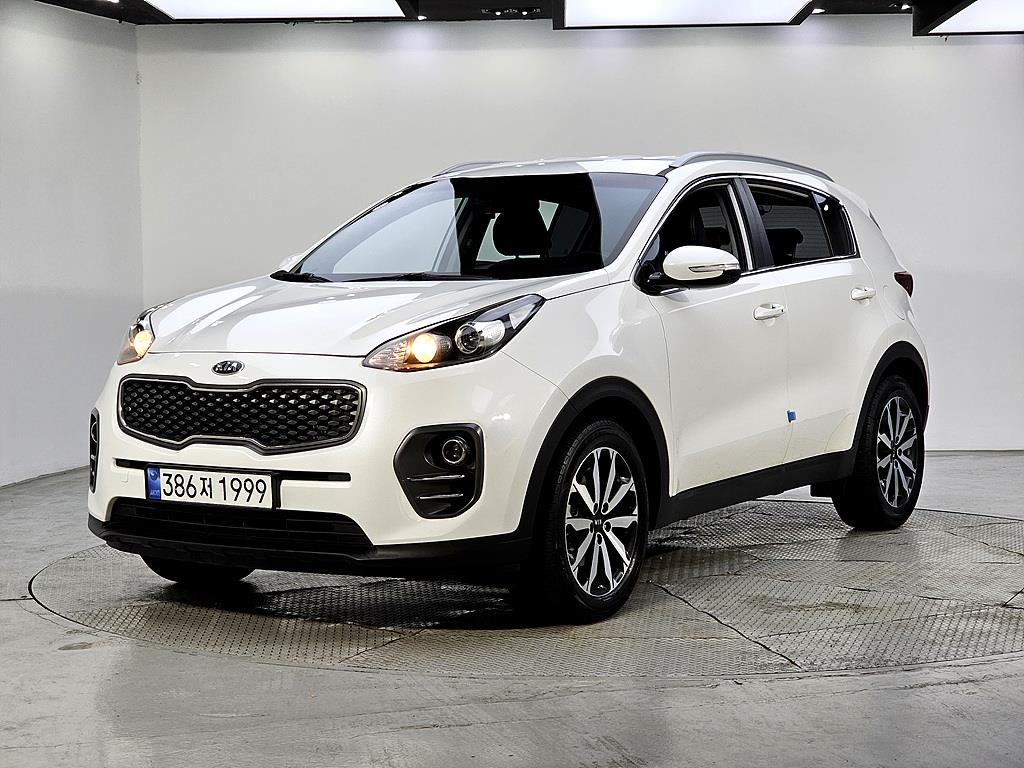
The Korean auction grade system runs from 1 (near-new or unregistered) → 6 (severe structural damage or major mechanical failure). Most export-viable vehicles are Grade 3 or Grade 4.
- Grade 3: Normal wear for age/mileage. Minor cosmetic issues (door ding, light scratch, faded headliner). All major mechanical systems functional. Most “Ghana standard” vehicles are Grade 3 with mileage under 100,000 km.
- Grade 4: Visible body damage (minor dents, paint peeling on one or two panels) or one mechanical item requiring attention (brake pads at 20%, AC compressor noise). Still export-viable for markets where buyers repair on arrival. Common in Lagos fleet sourcing.
- Grade R: Vehicle has been in a reportable accident (수리이력). Structural repair required or completed. Grade R vehicles are discounted 25–40% from equivalent non-R units. Some West African importers deliberately source Grade R vehicles for dismantling and parts — a legitimate practice, but disclose this to your freight forwarder as it affects cargo classification.
LPG vehicles: Korea has an enormous LPG taxi fleet. These vehicles look identical to petrol equivalents from the outside but have LPG tanks in the trunk/boot.
They’re significantly cheaper at auction (15–25% discount) but are banned for import into Ghana (GES regulation), have limited refuelling infrastructure in Lagos, and are resalable only in specific West African markets with LPG distribution networks (Senegal, Côte d’Ivoire have better infrastructure).
Always confirm fuel type — Korean VINs encode it, and your buying agent should filter this before bidding.
The Practical Path: How African Importers Actually Access These Auctions
The Indirect Route (80% of the market)
Most African importers work through a Korean export broker who has auction access. The broker bids at Glovis/AOS on your behalf, adds their margin, and quotes you FOB Busan.
This is legitimate and often efficient — a good broker who knows your preferences can filter 40 auction listings to 3 viable candidates in a morning. The risk is opacity on the buy price.
What to ask your broker to disclose:
– The auction house and auction date the vehicle was purchased
– The auction purchase price (경락가 영수증 — auction receipt). Reputable brokers will share this.
– The inspector grade report reference number (so you can cross-check)
The Semi-Direct Route (growing segment)
Some larger West African importers (those buying 10+ vehicles per shipment) work with a Korea-based buying agent (바이어 에이전트) who charges a flat fee (typically ₩300,000–₩500,000 per vehicle, roughly $220–$380) instead of a percentage margin.
The agent attends auction on your behalf, bids to your ceiling, and hands off the vehicle to a freight forwarder. You see the auction receipt; you pay the auction price plus the flat fee plus export costs. At volume, this structure saves $400–$900 per vehicle versus a margin-based broker.
This model requires: (a) a trusted agent relationship built over multiple shipments, (b) the ability to pre-fund a Korean buying account (Korean auctions require a deposit account), and (c) tolerance for the vehicle inspection risk landing on you rather than the broker.
SK AutoSphere’s sourcing network operates in this model for qualified volume buyers — vehicles are AI-condition-verified on arrival at the export staging yard using the same Vision AI system that powers our public demo, then buyer-facing condition reports are issued before deposit is locked.
What Changes Once You Understand the Auction Architecture
Three things change when African buyers understand the supply chain behind their quote:
1. You spot “buy-from-retail” brokers immediately. If the quote timeline is “I can source this in 4–5 days,” that’s a broker pulling from dealer stock, not auction.
Auctions run 2–3 days per week; a legitimate auction buy takes 7–10 days minimum (auction day + grade verification + export prep + customs clearance + RoRo staging). A 4-day quote means retail margin embedded in the price.
2. You negotiate intelligently on Grade 4 vehicles. A broker quoting a Grade 4 vehicle at the same margin as a Grade 3 equivalent is double-dipping — the broker bought discounted and is selling at full-grade price.
Knowing that Grade 4s trade at auction for 12–18% below equivalent Grade 3s gives you a clear negotiation anchor.
3. You can verify provenance before payment. The Korean National Automotive History System (자동차 이력조회, CARHISTORY.or.kr) links every vehicle’s VIN to its complete domestic transaction history — every registered ownership change, all insurance accident claims, and odometer readings at annual inspection.
A vehicle that cleared Glovis at ₩12,000,000–18,000,000 with a 2023 inspection at 62,000 km should match what your broker tells you. If the numbers don’t align, they won’t in the container either.
Action Checklist for Your Next Korean Vehicle Order
- [ ] Confirm which auction house your broker sources from (Glovis / AOS / Hanil / other)
- [ ] Request the auction purchase receipt (경락가 영수증) before final payment
- [ ] Run the VIN on CARHISTORY.or.kr to verify mileage and accident history
- [ ] Confirm fuel type (petrol/diesel/LPG) — check the VIN decode and the physical fuel cap label photos
- [ ] For Grade 4 or Grade R vehicles, request the full 80-point inspector checklist, not just the summary
- [ ] For RoRo shipping, confirm whether the auction house is in Busan (no haulage cost) or requires inland transport to Busan New Port (budget ₩180,000–₩350,000 per vehicle)
- [ ] For CPO-return vehicles (Palisade, Carnival, Staria) targeting premium West African markets, ask specifically about Hanil Incheon lanes for service-book-verified units
SK AutoSphere sources vehicles directly from licensed Korean auction partners attending Glovis, AOS, and Hanil auction lanes. All vehicles are AI-condition-verified at the export staging yard before buyer confirmation. Inspect the condition report, not just the grade.
Sourcing Korean stock for your next container? Tell us the destination port, the model year you are targeting and the spec, and we come back with matched units and a landed figure per unit. Start at SK AutoSphere, or browse the parts catalogue.