Demurrage, Detention and Storage: The Three Clocks That Eat Vehicle Import Margin
The largest unplanned cost on an African vehicle import is usually not duty. It is the accumulation of charges that begin running the moment the vessel discharges and continue until the container is emptied and returned.
Importers budget for freight and duty, treat these as a contingency, and then find the contingency was the second-largest line on the file.
There are three separate clocks, run by three different parties, on three different tariffs. Confusing them is what makes the bill a surprise.
The short version
- Demurrage is charged by the shipping line for the container remaining inside the terminal beyond the agreed free time.
- Detention is also charged by the line, but for the period after the container has left the terminal and before the empty is returned to the line’s depot.
- Storage is charged by the terminal operator, not by the line, on the terminal’s own tariff, for the container occupying terminal space.
- Almost every demurrage bill traces back to a document that was not in place at arrival.
Clock one: demurrage
Demurrage is charged by the shipping line for the container remaining inside the terminal beyond the agreed free time. It is the line’s charge for the container being unavailable to them, and it runs from discharge.
Free time is negotiable and it is negotiated at booking, not afterwards. A line offering a short free period on a routing where the destination port routinely takes longer than that to clear is offering a rate that will cost more than a higher rate with adequate free time.
Clock two: detention

Detention is also charged by the line, but for the period after the container has left the terminal and before the empty is returned to the line’s depot. It covers the time the box spends at your yard being unloaded.
For vehicle cargo this clock is often underestimated because unstuffing a container of racked vehicles is not a fast operation. It needs space, equipment and someone competent.
An importer who takes delivery of a container to a yard without the means to unload it promptly is paying detention for the privilege.
Clock three: terminal storage
Storage is charged by the terminal operator, not by the line, on the terminal’s own tariff, for the container occupying terminal space. It runs in parallel with demurrage, on its own free-time allowance, and it is a completely separate invoice.
This is the one that catches importers who have negotiated free time with the line and assume they are covered. They are covered against the line’s demurrage. The terminal’s storage clock is unaffected by that negotiation.
Why the clocks run at all: the file was not ready
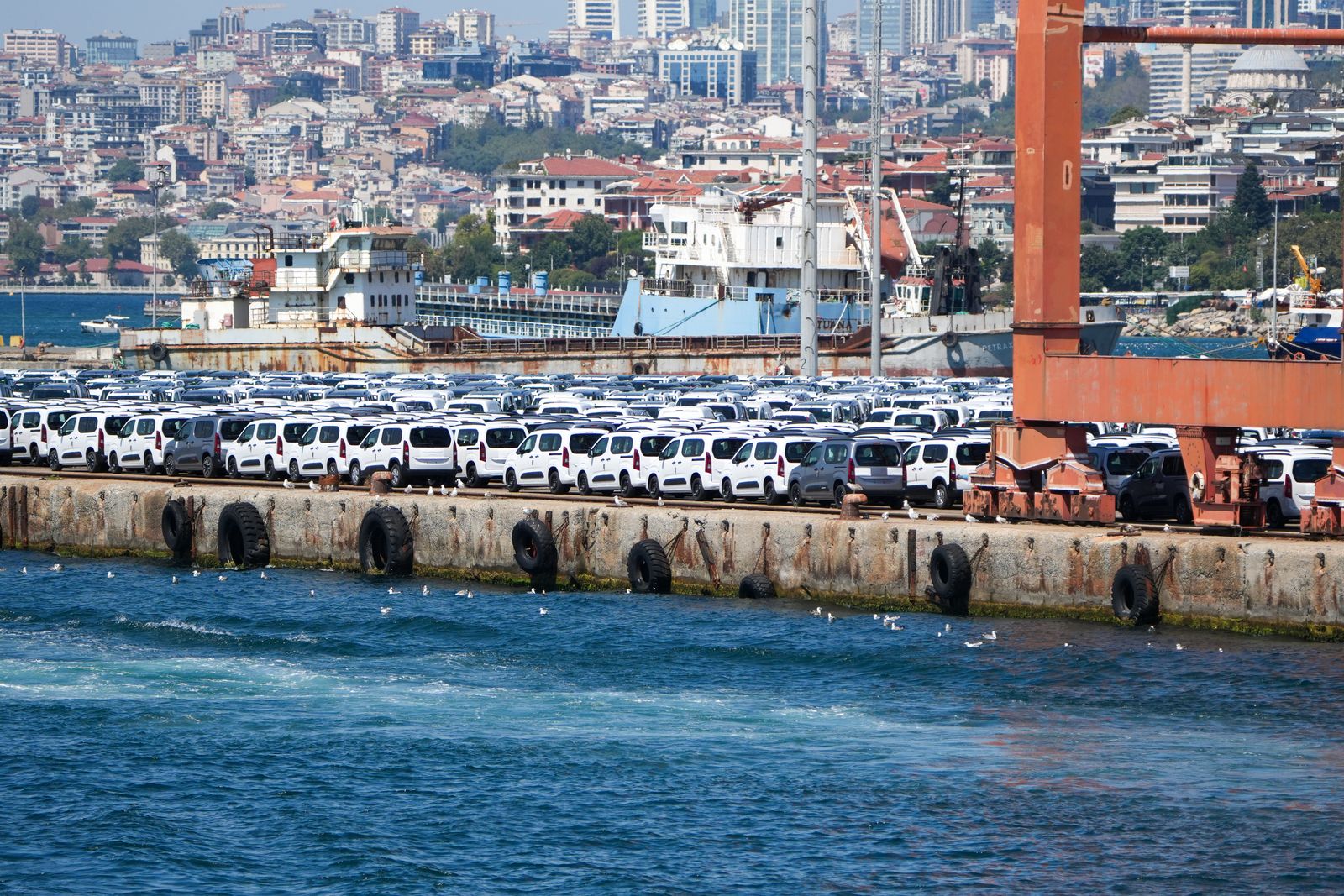
Almost every demurrage bill traces back to a document that was not in place at arrival. The recurring causes:
- The bill of lading original had not arrived, or the telex release had not been actioned, so the cargo could not be released.
- A conformity or pre-export inspection certificate was missing, because it was ordered after shipping and could not be obtained retroactively.
- A cargo tracking note — the Congolese FERI or an equivalent instrument elsewhere — was not filed before departure, triggering a penalty process that has to conclude before release.
- The consignee on the bill of lading did not match the clearing entity, requiring an amendment.
- A valuation dispute with the administration, which is a legitimate argument that nonetheless runs on the importer’s clock.
- Payment of duty was delayed by a foreign-exchange allocation the importer did not control.
None of those is a port problem. All of them are pre-shipment sequencing problems that present as port problems.
The compounding that makes it dangerous
Demurrage and storage tariffs are commonly tiered: a rate for the first period after free time, a higher rate for the next, a higher rate again beyond that. A container that sits for a long period does not accrue at the initial rate throughout — it escalates.
This is why a stalled file is an emergency rather than an inconvenience. The cost of the third week is not the cost of the first week.
On a container of used vehicles, a genuinely stuck file can accumulate charges that approach or exceed the value of the cargo, at which point the rational decision becomes abandonment — and abandonment has its own consequences, because the liability does not simply disappear.
Controls that actually prevent it
Establish free time at booking, in writing, for both clocks. Ask the line what free time applies to demurrage and detention, and ask the clearing agent what the terminal’s storage free time is. They are different numbers.
Complete the document set before the vessel sails. Every item on the failure list above is a pre-shipment action. Conformity certificates, inspection certificates and cargo tracking notes cannot be obtained after departure. The bill of lading consignee cannot be corrected cheaply after issue.
Choose release method deliberately. A telex release removes the need for originals to physically travel, which removes a courier from the critical path. Where originals must travel, they should leave before the vessel does, not after.
Prepare the duty payment before arrival. In markets where foreign-exchange allocation is a queue, start the process against the expected arrival rather than the actual one.
Have a yard and the means to unstuff. Detention runs on your operation, not on the port’s.
Give the clearing agent the complete file ahead of arrival, not on the day. An agent who receives documents at discharge starts behind.
Negotiate free time as part of the rate
Importers negotiate the freight rate hard and accept the free time as given. That is the wrong emphasis on an African routing where clearance timelines are variable.
A rate with a longer free period is frequently better value than a lower rate with a short one, and lines will trade one against the other because free time costs them container availability rather than cash. Ask for the trade explicitly.
On a routing to a port where your agent tells you clearance is slow, it is the most valuable thing in the negotiation.
The habit that fixes most of it
Before every booking, run the file forward: what has to exist at arrival for this container to be released on the day it discharges? List it, confirm each item is either in hand or scheduled to be in hand before departure, and only then confirm the sailing.
That single review, done properly, removes the great majority of demurrage exposure — because demurrage is not a shipping cost. It is the price of a document that was ordered too late.
Sourcing Korean stock for your next container? Tell us the destination port, the model year you are targeting and the spec, and we come back with matched units and a landed figure per unit. Start at SK AutoSphere, or browse the parts catalogue.