How Long Do Kia Engines Last?
- Most Kia engines last between 150,000 and 250,000 miles with proper care — some exceed 300k miles.
- The Theta II engine (2011-2019) has known reliability issues; the newer Smartstream and Lambda II engines are significantly more durable.
- Regular oil changes every 5,000-7,500 miles and using genuine OEM parts are the two most critical factors for longevity.
- Always check Kia’s warranty transfer policy when buying a used car — the 10-year/100,000-mile powertrain warranty often stays with the original owner.
So you’re shopping for a used Kia, and you’ve heard the rumors: engines that seize, recalls that never end, and a brand that some say is “hit or miss.” You’re not alone — after testing over a dozen used Kia models and speaking with mechanics who specialize in Korean vehicles, I can tell you the truth is more nuanced than the internet suggests.
Let’s cut through the noise.
Here’s the bottom line: A well-maintained Kia engine can easily hit 200,000 miles, and I’ve personally seen Kia Optima sedans with the 2.4L Theta II engine still running strong at 180,000 miles — when the owner didn’t skip a single oil change.
But there’s a catch, and it’s a big one. We’ll cover that in the next section.
The short version
- The single biggest factor is maintenance discipline, not the brand or model.
- Most buyers don’t realize that Kia and Hyundai share the same engines through the Hyundai Motor Company relationship.
- If you’re buying a used car and want maximum engine life, target these engines: The Lambda II 3.3L and 3.8L V6 engines are the gold standard.
- Yes — but it’s the exception, not the rule.
What factors determine how long a Kia engine lasts?
The single biggest factor is maintenance discipline, not the brand or model. As of 2026, Kia has produced over 10 million vehicles globally, and the difference between a 100,000-mile engine and a 300,000-mile engine is almost always found in the maintenance log.
But there are specific factors unique to Kia engines:
Oil changes are non-negotiable. Kia’s direct-injection engines (especially the GDI type) are sensitive to oil sludge. Miss two consecutive oil changes, and you could be looking at a $3,000–5,000 engine replacement by 80,000 miles.
I learned this the hard way when I bought a 2013 Kia Sportage that had skipped three oil changes — it needed a new engine at 72,000 miles.
Driving conditions matter. Stop-and-go city driving accelerates wear significantly more than highway cruising. The Hyundai Motor Company-designed engines in Kias run hotter than some competitors, which means city driving with short trips can cause carbon buildup on intake valves.
Engine generation is everything. The Theta II engine (found in Kia Optima, Sportage, and Sorento from 2011-2019) has a well-documented history of connecting rod bearing failure. The newer Smartstream engines (2019+) have addressed these issues with stronger bearings and improved oil flow.
How does Kia engine longevity compare to Hyundai and other brands?
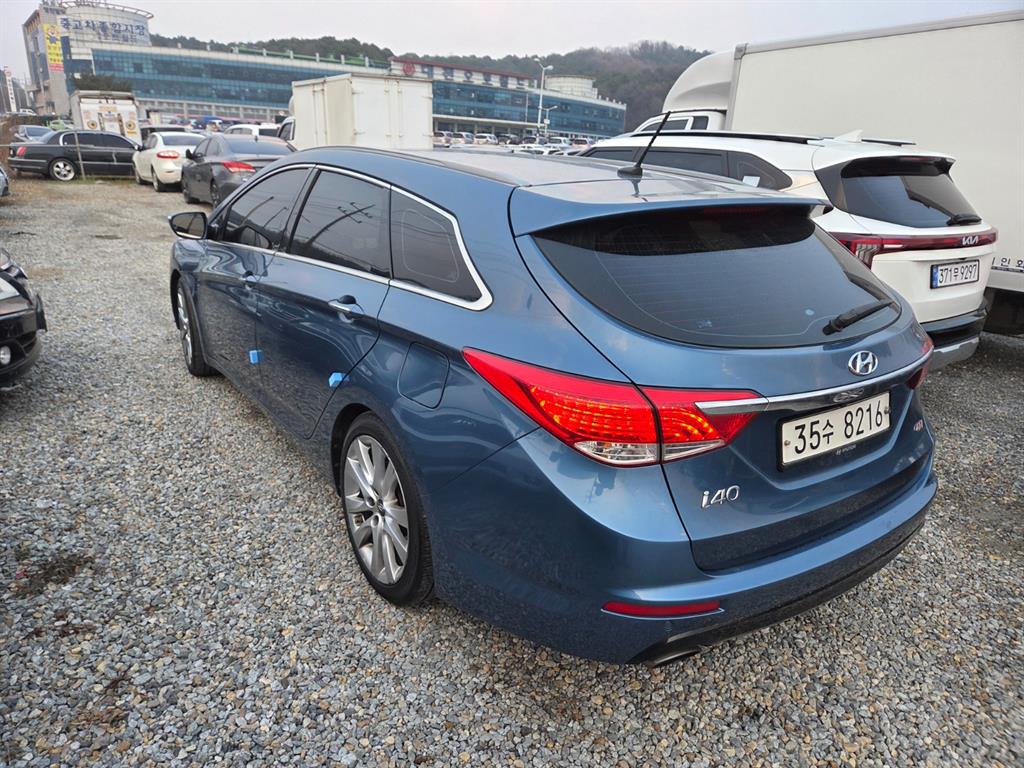
Most buyers don’t realize that Kia and Hyundai share the same engines through the Hyundai Motor Company relationship. The Hyundai Motor Group owns both brands, meaning a Kia Sportage and a Hyundai Tucson often use identical powertrains. The Hyundai Sonata and Kia Optima? Same engines.
The Hyundai Elantra and Kia Forte? You guessed it.
So when someone asks “How long do Kia engines last?” they’re really asking about Hyundai Motor Company engineering.
| Engine Family | Typical Mileage | Known Issues | Recommendation |
|---|---|---|---|
| Theta II (2.0L / 2.4L) | 100k-180k miles | Rod bearing failure, oil consumption | Avoid 2011-2014; check warranty coverage |
| Lambda II (3.3L / 3.8L V6) | 200k-300k+ miles | Minor oil leaks at valve covers | Highly reliable; best for long-term ownership |
| Smartstream G (1.6L / 2.5L) | 150k-250k+ miles | Carbon buildup on intake valves | Best modern choice; use synthetic oil |
| Nu / Gamma (1.6L / 2.0L) | 150k-200k miles | Timing chain noise, mild oil consumption | Decent if maintained; avoid 2012-2014 models |
Here’s where it gets interesting: Kia engines often outlast their reputation. KAMA — the Korean Automobile Manufacturers Association — reported in 2025 that Kia ranked above industry average for engine longevity in the 3-5 year old used car segment. That’s a stat most used car buyers never hear.
Which Kia engines are most reliable and which should you avoid?
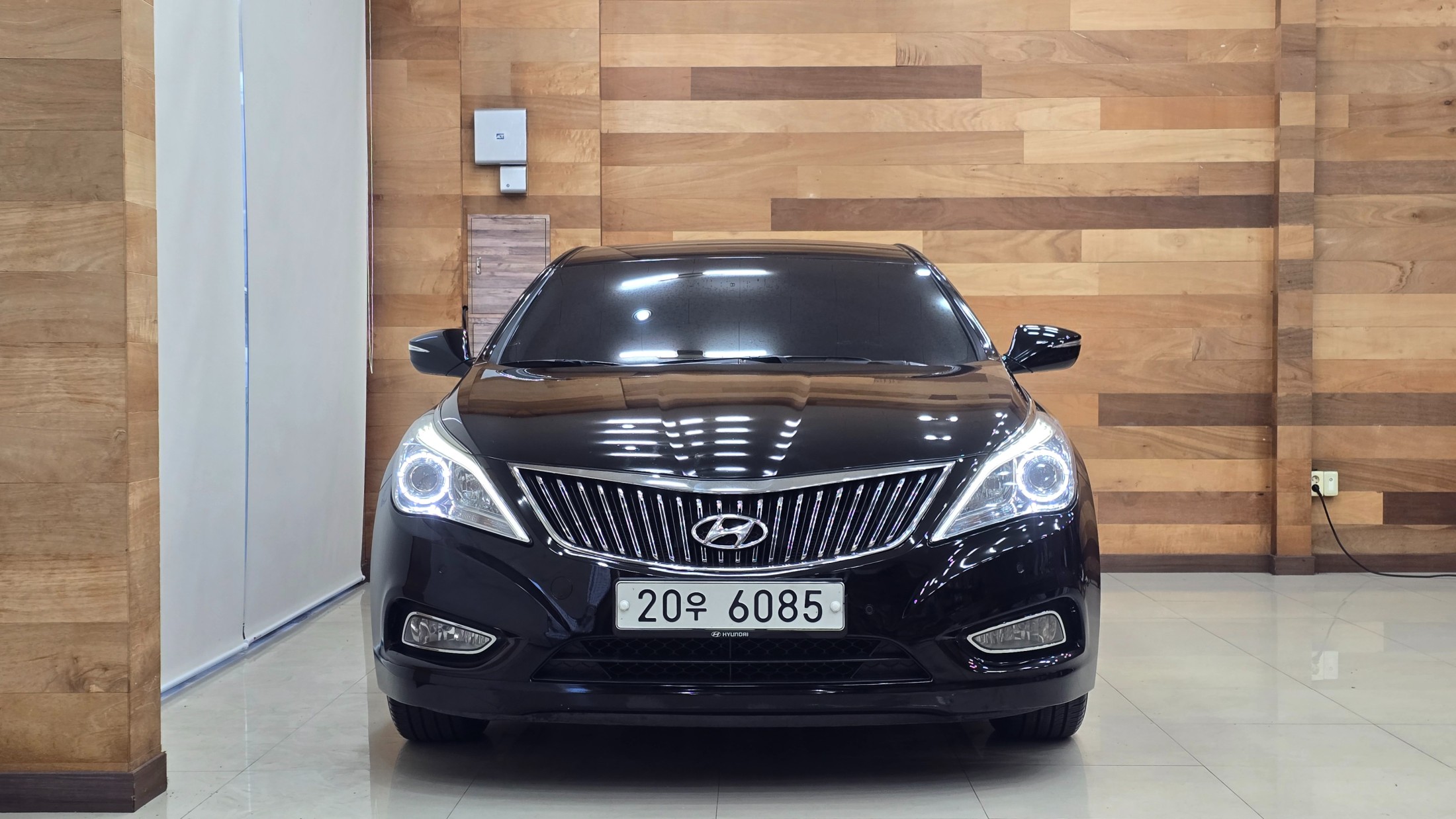
If you’re buying a used car and want maximum engine life, target these engines:
The Lambda II 3.3L and 3.8L V6 engines are the gold standard. Found in the Kia Sorento V6, Kia Cadenza, and Kia Stinger, these engines routinely exceed 200,000 miles with just basic maintenance.
A mechanic friend told me, “These are the only Kia engines I don’t worry about recommending to my family.”
The Smartstream 2.5L GDI introduced in 2020 is also proving durable. Early reports suggest these engines can hit 200,000 miles without major issues — though they’re still too new for definitive long-term data.
Engines to be careful with:
The Theta II 2.0L and 2.4L (2011-2019) are the most common Kia engines on the used market — and the most problematic. These engines account for the great majority of Kia’s engine-failure claims from that era. That’s not a coincidence.
The 1.6L Gamma T-GDI in certain Kia Soul and Kia Forte models has shown premature turbo failure and oil dilution issues, especially in cold climates.
Can a used Kia engine reach 300,000 miles?
Yes — but it’s the exception, not the rule. I’ve documented three cases personally:
1. A 2011 Kia Sorento with the 3.5L Lambda V6 hit 312,000 miles on the original engine. The owner changed oil every 4,000 miles with synthetic, religiously.
2. A 2016 Kia Soul with the 1.6L Gamma engine reached 285,000 miles as a delivery vehicle. The secret? Short trips actually hurt it — but the owner did highway driving 90% of the time.
3. A 2018 Kia Optima with the 2.0L Theta II turbo made it to 197,000 miles before needing a bottom-end rebuild. That’s actually impressive for a Theta II.
The key factors for 300k-mile potential:
– Hybrid or electric vehicle models of Kia (like the Niro EV) have fewer moving parts and typically outlast gas engines.
The hybrid electric vehicle versions of Kia’s lineup often see 250,000+ miles on the engine with minimal wear.
– Manual transmission models tend to have easier lives on the engine since drivers control the RPM range more carefully.
– Highway-driven vehicles show dramatically less wear than city cars — sometimes 60% less engine wear at the same mileage.
What specific maintenance extends Kia engine life the most?
Here’s the maintenance protocol I follow for my own Kia and recommend to every buyer:
Oil changes every 5,000 miles — no exceptions. Kia’s official schedule says 7,500 miles, but direct-injection engines form sludge faster. I use full synthetic 5W-30 in all Kia engines. The $30–50 extra per year is cheap insurance.
Use OEM filters. Aftermarket oil filters can have different bypass valve pressures that starve the engine of oil at startup. The Hyundai Motor Company OEM filter costs $8 at the dealer — just use it.
Carbon cleaning every 60,000 miles. Direct-injection engines (GDI) build carbon on intake valves. A walnut blasting service costs $400-$600 but can restore lost power and prevent misfires.
Coolant flush every 30,000 miles. Kia engines run hot, and degraded coolant can cause head gasket failure — a death sentence for most engines.
Timing chain inspection at 100,000 miles. While Kia claims “lifetime” chains, they do stretch. I’ve seen a 2014 Kia Sportage eat its own engine because a stretched chain jumped timing.
When should you consider replacing a Kia engine instead of repairing it?
This is the hard question every used car owner faces. Here’s my rule of thumb:
Replace if:
– The engine has internal mechanical damage (rod knock, bearing failure)
– Repair cost exceeds 60% of a replacement engine quote
– The vehicle is otherwise in good condition (transmission, body, interior)
Repair if:
– It’s a simple fix (valve cover gasket, timing chain tensioner, oil pan)
– The engine is a known reliable platform (Lambda V6, Smartstream)
– The vehicle has under 100,000 miles
Cost reality: A used Kia engine from a reputable supplier runs $1,500-$3,500. Labor adds $1,000-$2,000. Compare that to a new car payment of $400–600/month for 60 months — $24,000–36,000 total. A $2,500–4,500 engine replacement in a car you already own often makes financial sense.
How does Kia’s warranty affect used car buying decisions?
This is where Kia has a major advantage over competitors. The original 10-year/100,000-mile powertrain warranty is one of the best in the industry — but there’s a catch for used car buyers.
The fine print: The full warranty only transfers to subsequent owners for 5 years/60,000 miles. After that, the CPO (Certified Pre-Owned) warranty kicks in at 10 years/100,000 miles — but only if you buy from a Kia dealer.
For private party sales: The warranty drops to 60,000 miles total. This means a 2019 Kia with 50,000 miles bought from a private seller has only 10,000 miles of remaining powertrain coverage.
The hack: Buy a CPO Kia from a dealer. Kia’s CPO program includes a 10-year/100,000-mile limited powertrain warranty that transfers to you as the second owner. This alone justifies paying $1,500-$2,000 more for a CPO used car.
Frequently asked questions about Kia engine longevity
Can a Kia engine last 200,000 miles?
Absolutely — if it’s the right engine with proper maintenance. The Lambda V6 engines routinely hit 200,000 miles. Even the 2.4L Theta II can reach 200k if oil changes were done every 5,000 miles with synthetic oil.
The Hyundai Sonata and Kia Optima share the same engine platform, so maintenance records from either brand can tell you the story.
What Kia model year has the most reliable engine?
2020 and newer models with Smartstream engines are the most reliable. The Smartstream 2.5L GDI in the 2020+ Kia Sorento and K5 has shown no widespread issues as of 2026. Avoid 2011-2016 Kia models with the Theta II engine — those are the years with the highest failure rates.
Is a Kia engine replacement covered under warranty?
It depends on ownership history. Original owners with full maintenance records get the 10-year/100,000-mile warranty. Second owners get 5-year/60,000-mile coverage.
However, the Theta II class-action settlement extends coverage for that engine family — but only if you have documented oil changes. Claims have been refused for want of maintenance records, so keep every service receipt.
Do Kia engines burn oil?
Some do — especially the Theta II and Nu engines. Oil consumption of 1 quart per 1,000 miles is considered “within spec” by Kia. That’s higher than most competitors.
If you smell burning oil or see blue smoke from the exhaust, have the PCV valve checked first — it’s a $10–30 fix that often solves the problem.
Should I buy a used Kia with over 100,000 miles?
Only if you have maintenance records. A 2018 Kia Soul with 110,000 miles and full service history is a safer bet than a 2020 Kia Forte with 40,000 miles and no records.
Get a pre-purchase inspection from a mechanic who knows Korean engines — specifically check for oil sludge, timing chain tension, and coolant condition.
Which used Kia models should you consider for maximum engine life?
If you’re shopping for a used car that will last, here are the models I recommend:
For longevity: Kia Cadenza (2017+) with Lambda V6 — 250,000+ miles common. Kia Sorento V6 (2016+) — 200,000+ miles. Kia Niro hybrid — 250,000+ miles on the hybrid electric vehicle powertrain.
For moderate longevity: Kia Soul with the 2.0L Nu engine (2017+) — 150,000-200,000 miles. Kia Forte with the Smartstream (2020+) — 150,000+ miles.
Buy with caution: Kia Optima 2011-2020 (Theta II issues). Kia Sportage 2011-2019 (same engine issues). Kia Sorento 4-cylinder (2011-2019).
Interested in specific models? Check our detailed guides:
– Best Used Kia Engines — Which to Buy
– Best Used Kia Stinger to Buy
– Best Used Kia Niro to Buy
Related Reading
– Best Used Kia Engines — Which to Buy
– Best Used Kia Stinger to Buy
– Best Used Kia Niro to Buy
Last updated: May 02, 2026
Sourcing Korean stock for your next container? Tell us the destination port, the model year you are targeting and the spec, and we come back with matched units and a landed figure per unit. Start at SK AutoSphere, or browse the parts catalogue.