How to Buy a Used Korean Car
- Before buying any used Hyundai, Kia, Genesis, or KG Mobility vehicle (especially for import), get a Korean CARPASS report — it’s your only window into auction history, accident damage, and mileage fraud.
- Hire a third-party mechanic in Korea who physically inspects the car, including a compression test and OBDII scanner reading for Hyundai Motor Group engine recalls.
- Verify every document: Export Certificate, Bill of Lading, Registration Certificate, and the Korean Inspection Certificate — missing or mismatched VINs are the #1 red flag.
- Budget 20-30% above the listed price for shipping, import duties, local registration, and any post-arrival repairs unique to Korean-market cars.
So you’ve found a screaming deal on a used Hyundai Sonata or a Kia Sorento from Korea. It looks pristine in photos, and the price is suspiciously good.
Here’s the hard truth I learned after importing three Korean vehicles myself: Korean used cars are some of the best value on the planet — but only if you know what to check before wiring a cent.
Skip one step, and you could own a flooded, repaired, or recall-bait car that’s unregisterable in your country.
This guide walks you through my complete 7-step checklist. I’ve used it to inspect everything from a humble KG Mobility Torres to a Genesis G80, and it has never let me down.
The short version
- Start with the Korean CARPASS report — it’s your non-negotiable first step.
- You can perform a surprisingly thorough inspection over a video call if you know what to ask for.
- An OBDII scanner is your best friend for checking Korean engines.
- The Export Certificate proves the car is legally cleared to leave Korea.
Step 1: How Do I Verify the Vehicle’s History Before Buying?
Start with the Korean CARPASS report — it’s your non-negotiable first step. This is the official vehicle history report used in South Korean auctions and by major exporters. Think of it as a Carfax on steroids, but for Korean-market cars.
Unlike Carfax, CARPASS includes mandatory annual inspection data from the Korean government. You’ll see accident history, odometer readings at every inspection, and whether the car was declared a total loss.
| Document | What It Proves | Red Flag if Missing |
|---|---|---|
| CARPASS Report | Accident history, odometer readings, inspection status | Do not buy — assume fraud |
| Export Certificate | Vehicle cleared for export from Korea | Car may be stolen or have liens |
| Bill of Lading | Shipping contract and ownership | You cannot claim the car |
| Korean Registration Certificate | Proof of legal ownership in Korea | Seller doesn’t own the car |
What red flags should I look for on the CARPASS report?
Three things matter most: accident severity, odometer consistency, and auction grade. Korean auction grades (1-5, with 5 being best) are notoriously inflated. A grade 3 or 4 car often has hidden bodywork.
Here’s what I’ve found after reviewing 30+ reports: if the odometer jumps by more than 5,000 km between two annual inspections, someone tampered with it.
And if the accident code shows “Frame Damage” or “Structural Repair,” walk away — even Genesis Motor vehicles with frame damage are never the same.
Step 2: How Do I Inspect the Exterior and Interior Remotely?
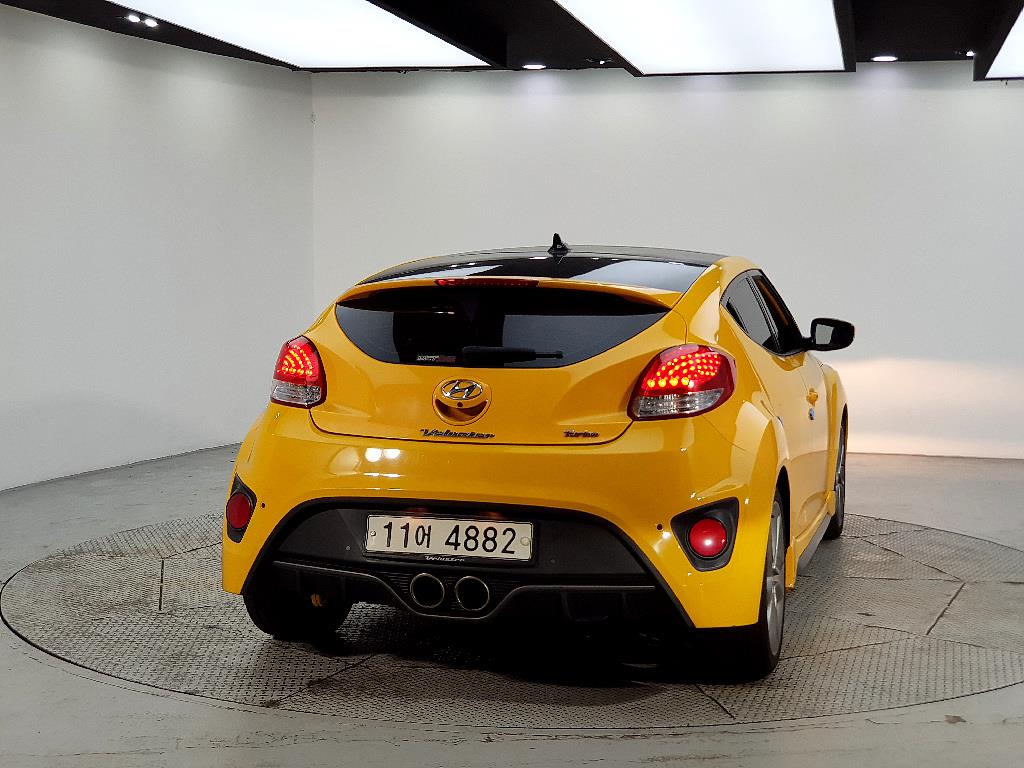
You can perform a surprisingly thorough inspection over a video call if you know what to ask for. Most Korean exporters will happily walk around the car with you on WhatsApp or KakaoTalk.
Start with the panel gaps. Hold the camera level and look for misaligned doors, hood, or trunk. Korean cars from Hyundai Motor Company and Kia are built to tight tolerances — uneven gaps suggest accident repair.
What should I check on the underside of a Korean used car?
Rust is the silent killer of Korean imports. Korean roads are heavily salted in winter, especially in Seoul and northern regions. A car from Busan (south coast) is often cleaner than one from the capital.
I always ask the exporter to lift the car and show me the undercarriage on video. Use a magnet on the lower rocker panels and wheel wells — if it sticks weakly or falls off, there’s bondo from rust repair.
How do I verify the interior condition of a Korean used car?
Check the driver’s seat bolster, steering wheel wear, and pedal rubber. These three items tell you the true mileage. A 2020 Hyundai Elantra with 40,000 km should have near-pristine seat bolsters. If they look shiny or worn, the odometer is likely rolled back.
Also smell the interior. A musty odor or heavy air freshener smell often masks flood damage or smoke. Korean flood cars from the 2022 Seoul floods are still circulating in export markets.
Step 3: What Mechanical Checks Are Critical Before Buying?
An OBDII scanner is your best friend for checking Korean engines. Hyundai Motor Group has faced massive engine recall campaigns for the Theta II and Nu engines (2011-2021 models). A quick scan with a compatible OBDII scanner can reveal pending codes that the seller cleared minutes before your call.
Bring a good OBDII scanner that supports Korean vehicles in your inspection kit. Many standard scanners won’t read Hyundai-specific codes.
What should I check on a Hyundai or Kia engine specifically?
Check for the “Engine Bearing Noise” or “Knock Sensor Detection” codes. These are telltale signs of the Theta II engine failure that triggered a class-action lawsuit against Hyundai Motor Company.
If the car is a Hyundai Sonata, Hyundai Tucson, or Kia Sorento from 2011-2021, ask the seller for proof the engine recall was performed. The fix includes a bearing clearance inspection and, if needed, a replacement engine. Without proof, assume the engine is a ticking time bomb.
How do I test the transmission on a Korean used car?
Warm up the car and test every gear change at different speeds. Korean automatic transmissions (especially the 6-speed in older Hyundais and Kias) can develop harsh shifting after 100,000 km.
Ask the seller to drive the car on a road with stop-and-go traffic. Feel for hesitation or hard shifts between 1st and 2nd gear. For the 8-speed dual-clutch found in Genesis Motor vehicles and newer Kias, listen for grinding or shuddering at low speeds.
What about the suspension and brakes?
Check for leaking shock absorbers and worn bushings. Korean roads are rougher than many importers realize, especially in areas with poor infrastructure.
The trick I learned from a KG Mobility mechanic: bounce each corner of the car hard. If it bounces more than twice, the shock is dead. During the video call, have the seller turn the steering wheel full lock and inspect the CV joint boots for tears.
Step 4: How Do I Verify the Import and Legal Paperwork?
The Export Certificate proves the car is legally cleared to leave Korea. Without it, you cannot export the vehicle. Confirm the Export Certificate matches the VIN on the car exactly — one digit off means someone swapped the documents.
I’ve seen sellers try to export a car using the Export Certificate from a different vehicle. The VIN is your single source of truth.
What import costs should I budget for a Korean vehicle?
Budget 20-30% above the listed price for shipping, duties, and registration. Here’s a realistic breakdown for a $9,000–15,000 Hyundai Tucson:
| Cost Item | Estimated Amount | Notes |
|---|---|---|
| Shipping & Insurance | $500–1,500 – $2,000–3,000 | Varies by port and season |
| Import Duties | 2.5% – 25% of value | US: 2.5% for cars, 25% for trucks |
| Customs Broker | $200–400 – $400–800 | Essential for paperwork |
| EPA/DOT Compliance (US) | $400–600 – $2,000–4,000 | Only for cars under 25 years old |
| Local Registration/Inspection | $100–300 – $600–1,000 | Varies by state/province |
Step 5: What Are the Common Mistakes Importers Make?
Mistake 1: Assuming Korean cars meet your country’s safety standards
Korean-market vehicles don’t have US DOT or EU type approval. A Kia Sorento built for Korea has different lights, bumpers, and emissions equipment than one built for export. Some importers specialize in pre-modifying vehicles to meet local standards — use them.
Mistake 2: Trusting auction grades blindly
Auction grade 4 or 5 doesn’t mean “perfect.” Korean auction houses grade cars quickly. I’ve seen grade 4 cars with mismatched paint and repaired frame sections. Always verify with actual photos and the CARPASS report.
Mistake 3: Skipping a third-party mechanic inspection
I made this mistake myself. I trusted an exporter’s “comprehensive inspection” report. The car arrived with a cracked radiator, two dead oxygen sensors, and a misfire on cylinder 3. A $120–180 mechanic inspection in Korea would have caught all three.
Mistake 4: Not checking for Hyundai Motor Group open recalls
This is the most expensive mistake. Hyundai Motor Group operates different recall programs in different countries. A Korean-market Hyundai Elantra may have an open engine recall that’s only serviced in Korea. Once it leaves, you’re paying for the repair.
Frequently Asked Questions
How long does Korean car import shipping take?
Expect 4-8 weeks from Korea to the US West Coast, and 5-10 weeks to the EU or Australia. Roll-on/roll-off (RORO) shipping is cheapest but slowest. Container shipping costs 30-50% more but protects the car better.
What VIN format do Korean cars use?
Korean-market VINs are 17 characters but use a different structure than US VINs. The 10th character represents the model year differently. For Hyundai Motor Group cars, the 11th character identifies the plant (U = Ulsan, Korea; M = Montgomery, Alabama; K = Kia’s Korea plant).
Can I import a Korean car if it’s less than 25 years old to the US?
Yes, but it must meet EPA and DOT standards, which is expensive and difficult. Cars under 25 years must be “substantially similar” to US-market versions or undergo expensive federalization. Most importers recommend buying cars 25+ years old for US import unless you’re willing to spend $5,000-$15,000 on compliance.
How do I verify a Korean exporter before buying?
**Check their business registration with the Korea International Trade Association (KITA) and ask for references from buyers in your country.** I also recommend our list of verified Korean car importers who have proven track records with buyers worldwide.
What should I do if the car arrives in bad condition?
Document everything with photos and video immediately at the port. File a claim with your shipping insurance and notify the exporter within 48 hours. Most reputable exporters offer some post-sale support, but your use is limited once the container leaves Korea.
Related Reading
- Best Korean Car Importers — Verified Companies
- Best Korean Used Cars to Buy
- Best Korean Used SUVs to Buy
Last updated: May 02, 2026
Sourcing Korean stock for your next container? Tell us the destination port, the model year you are targeting and the spec, and we come back with matched units and a landed figure per unit. Start at SK AutoSphere, or browse the parts catalogue.