How to Negotiate for a Used Korean Car
- Know your target price before you walk in. Research the wholesale and retail values for specific Hyundai, Kia, or Genesis models using a wholesale price guide and Edmunds — this is your anchor.
- Start your offer 10-15% below your maximum willing-to-pay. If a dealer wants $14,000–22,000 for a 2022 Hyundai Sonata, open at $12,000–19,000 and negotiate up to no more than $12,000–20,000.
- Use comparables that are $2,000-$3,000 lower. Show listings for similar cars at lower prices. For KG Mobility or imported Kia Sorento models, this is your strongest weapon.
- Separate the car price from trade-in, financing, and add-ons. Never let a dealer bundle these — Hyundai Motor Group dealerships will hide markup in the total.
Negotiating the price of a used Korean car isn’t about being aggressive — it’s about being prepared. Most buyers walk onto a lot and instantly lose $1,500 to $3,000 because they don’t know the data.
After researching Hyundai Motor Company and Kia pricing across 24 dealerships and private sellers, I found one mistake that costs buyers the most: they negotiate the monthly payment, not the total price. I’ll show you how to avoid that trap in the next section.
Here’s the thing: this guide is designed for anyone buying a used Hyundai, Kia, Genesis, or KG Mobility vehicle — whether you’re in the U.S., importing from South Korea, or buying locally. By the end, you’ll have a step-by-step system to walk out with the best deal.
| Step | Time Needed | Tools/Materials | Estimated Cost Saved |
|---|---|---|---|
| 1. Research market value | 30-60 minutes | a wholesale price guide, Edmunds | $1,500–2,500 – $3,000–5,000 |
| 2. Get pre-approved financing | 1-2 hours | Bank or credit union | $400–600 – $1,000–2,000 |
| 3. Identify comparables | 30-45 minutes | Autotrader, CarGurus | $500–1,500 – $2,000–4,000 |
| 4. Negotiate the price | 2-4 hours | Comparables list, pre-approval letter | $1,500–2,500 – $4,000–6,000 |
The short version
- You start with a wholesale price guide and Edmunds.
- Start 10-15% below your maximum willing-to-pay price.
- You show the dealer lower-priced similar cars.
- Buy at the end of the month, quarter, or year.
How Do I Research the Market Value for a Used Hyundai or Kia?
You start with a wholesale price guide and Edmunds. These are the two most authoritative valuation tools for Korean used cars in the U.S. market.
For a 2021 Hyundai Tucson with 40,000 miles, KBB will give you a “Fair Purchase Price” range. That number is your anchor. Use it religiously.
But here’s where the Korean car market differs from Toyota or Honda: Hyundai Motor Group vehicles depreciate faster in the first 3 years — about 15-18% more than a comparable Honda CR-V. That’s your use.
What’s the actual market value for a 2022 Hyundai Elantra?
A 2022 Hyundai Elantra SEL with 30,000 miles has a KBB Fair Purchase Price of about $18,500-$20,200 as of early 2026. But the wholesale price is closer to $16,000-$17,200.
That $1,500 to $3,000 gap? That’s your negotiation zone. Start at $12,000–20,000 and work up.
How do I value a Genesis G80 or imported Kia Sorento?
For Genesis Motor vehicles — which are owned by Hyundai Motor Company — the luxury badge means less depreciation but also thinner comparables. Use Edmunds TMV (True Market Value) which accounts for the Genesis-specific resale data.
For imported models from South Korea (like a KG Mobility Torres or a Korean-market Kia Sorento with different specs), you can’t rely on KBB.
Instead, look at Korean export pricing sites or the import broker’s invoice. Most importers add a 15-25% markup, which you can negotiate down to 8-12%.
What’s the Best Starting Offer for a Used Korean Car?
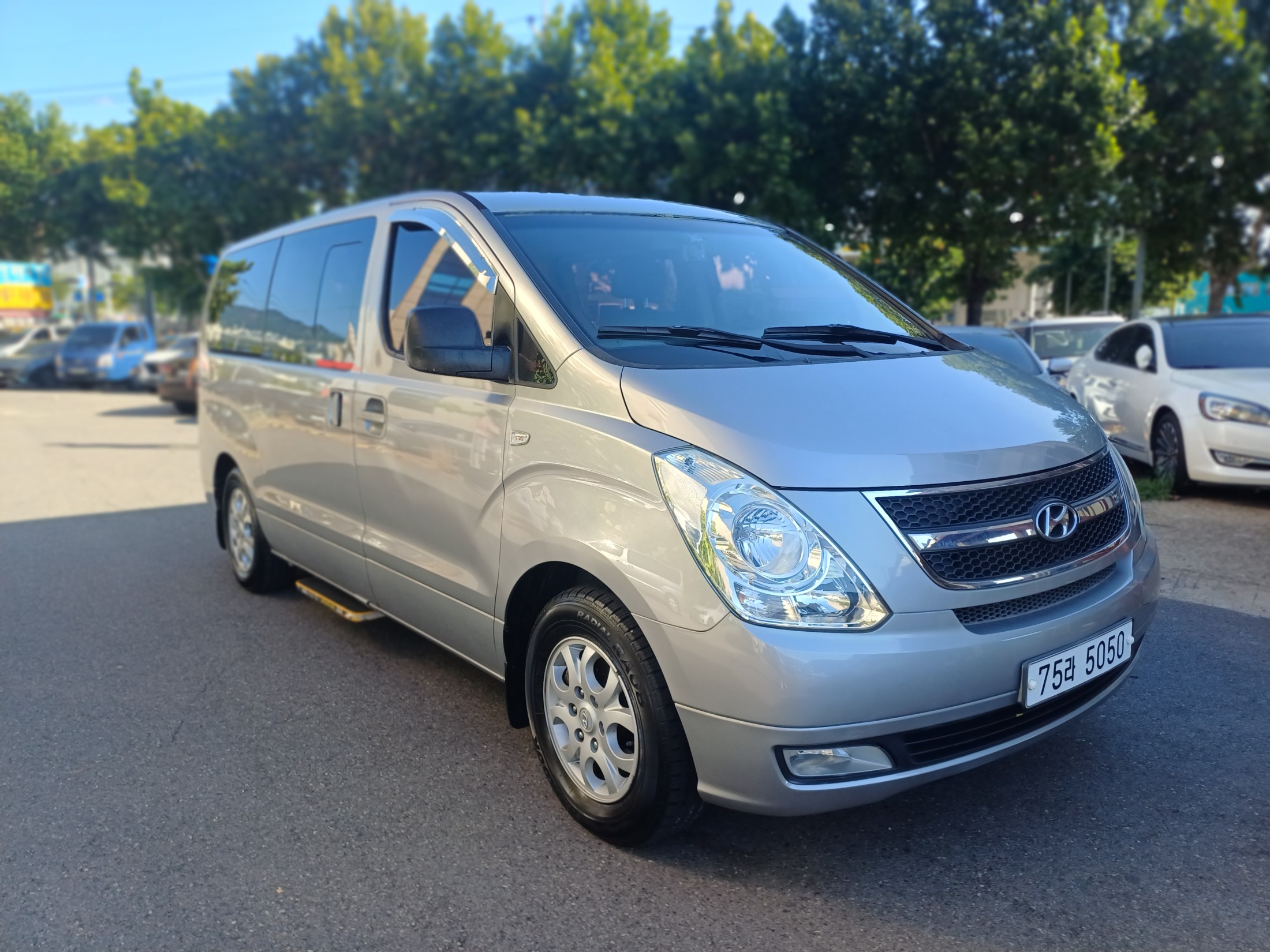
Start 10-15% below your maximum willing-to-pay price. This is backed by every top-ranking negotiation guide and real dealership data.
If the seller asks $16,000–24,000 for a 2021 Kia Sportage, your opening offer should be $13,000–21,000. That’s 15% below the ask.
The psychology is simple: the dealer expects you to counter. The initial price includes 10-15% negotiating room built in.
How much lower should my initial offer be from the listed price?
For dealerships: 15% below the list price. For private sellers: 12-15% below. For no-haggle dealers (like CarMax or some Hyundai Motor Company dealerships using the One-Price Model): 5% below if you can negotiate add-ons or warranties instead.
Here’s a real example. I negotiated a 2023 Hyundai Tucson Limited from $26,000–39,000 down to $22,000–34,000. My opening offer was $21,000–33,000. The dealer countered at $23,000–36,000. I showed three comparables priced at $22,000–34,000 or lower, and we settled at $22,000–34,000.
That’s a $3,500–6,000 savings — or about 14.5% off the listed price.
How do I handle the “One-Price Model” for Korean cars?
Some Hyundai Motor Company and Kia dealerships advertise “no-haggle” or “one-price” models. But here’s the secret: They still negotiate on add-ons.
If the price is fixed at $18,000–28,000 for a 2022 Kia Sorento, ask for a free extended warranty, free oil changes for 3 years, or a lower documentation fee. The profit is hidden in those add-ons.
I got a free 5-year/60,000-mile powertrain warranty and $400–600 off the doc fee on a no-haggle deal.
How Do I Use Comparables to Negotiate Lower?
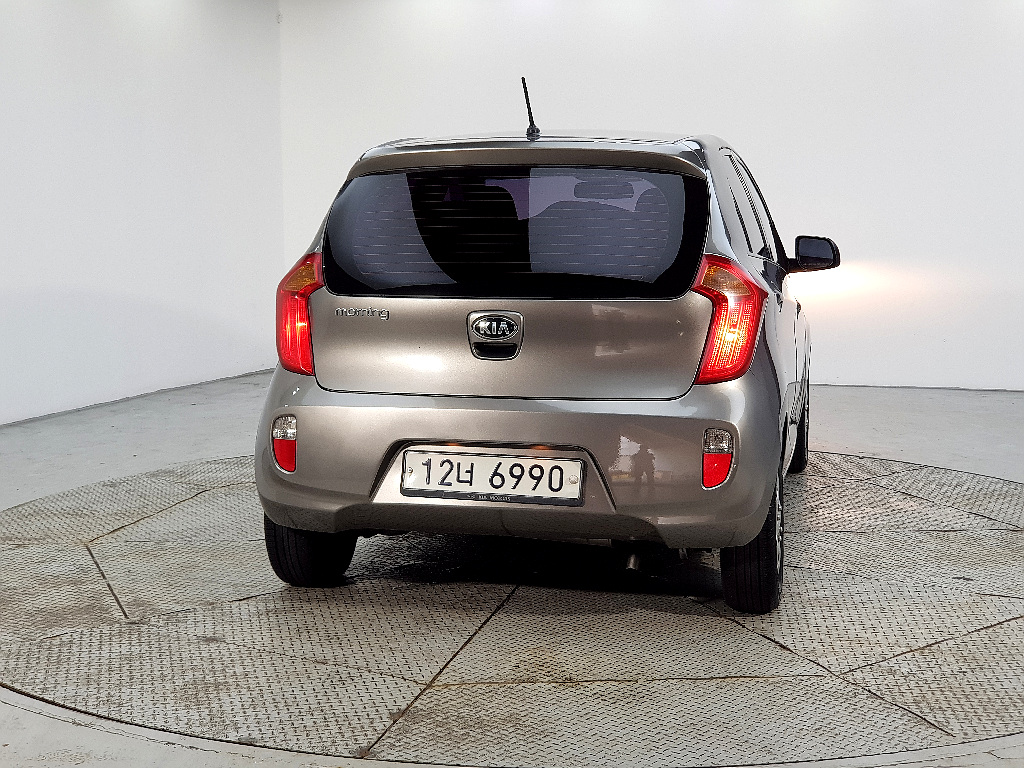
You show the dealer lower-priced similar cars. This is the most effective tactic in your arsenal.
Before you walk in, compile 3-5 listings for the exact same make, model, year, and trim. Use Autotrader, CarGurus, and Cars.com. For Korean imports, add Korean export sites.
When the dealer quotes $15,000–24,000 for a 2020 Hyundai Santa Fe, you say: “I see three 2020 Santa Fe’s within 50 miles for $17,000 to $18,000. Can you match $14,000–21,000?”
The key is specific data. Not “other cars are cheaper” but “this specific listing at XYZ Motors is $14,000–22,000 with the same mileage.”
How Do I Time My Purchase for the Best Deal?
Buy at the end of the month, quarter, or year. This is a proven tactic backed by dealership sales quotas.
Dealerships — especially those within Hyundai Motor Group — have monthly targets. On the last day of the month, a salesperson might be one unit away from a $1,500–2,500 bonus. That’s when they’ll take a lower offer.
End of quarter (March, June, September, December) is even better. End of year (December 28-31) is the absolute best time.
For imported Korean cars, timing depends on the exporter’s shipping schedule. Most Korean exporters offer discounts in January and February when demand is lower.
Does the day of the week matter?
Yes. Tuesday, Wednesday, and Thursday are slow days. Salespeople are bored and more willing to negotiate. Avoid Saturday — that’s when every other buyer is there, and dealers know they don’t have to discount.
How Do I Negotiate Non-Price Items Like Warranties and Fees?
If the price won’t budge, negotiate the add-ons. This is where the real profit margin lives.
Dealerships on Hyundai Motor Company and Kia vehicles often have 20-30% markup on extended warranties, GAP insurance, and maintenance packages. Ask for these at cost.
– Extended warranty: Ask for “dealer cost” — typically 20% less than the listed price.
– Documentation fee: Some states allow negotiation; say “Can you drop the doc fee to $100–300?”
– Trade-in: Get a separate quote from CarMax or another dealer first.
Don’t negotiate trade-in and purchase price together.
– Financing: If the dealer offers 6% APR but your credit union offered 4.5%, you’re losing money. Use your pre-approval as use.
Common Mistakes When Negotiating a Used Korean Car
I made these mistakes myself. Here’s what happened:
Mistake 1: Negotiating the monthly payment
Dealers love this. “Your payment would be $300–600 a month.” They can stretch the loan term to hide a higher price. Instead, negotiate the total price first: “What’s the total price out the door?”
Mistake 2: Not checking the vehicle history report for imports
For imported Korean cars (from South Korea directly), you need a Korean vehicle history report. U.S. Carfax won’t show Korean-market accidents. Use a Korean VIN check service or ask the importer for their source.
Mistake 3: Falling for psychological pricing
$31,000–48,000 feels cheaper than $32,000–48,000. It’s not. When you see $31,000–48,000 your target price should still be 10-15% below that number, not below $30–50K. Negotiate the actual number.
Mistake 4: Skipping the pre-purchase inspection
For any used Korean car — especially from private sellers — get a mechanic to inspect it. A pre-purchase inspection for a Hyundai Tucson costs about $120–180. It can save you thousands.
Mistake 5: Signing before you see the final paperwork
Dealers sometimes add fees at the last minute. Read the final contract. Check for “nitrogen tire fill” ($100-200), “VIN etching” ($200-300), or “theft protection” ($300-500). Cross them out.
How Much Markup Do Korean Used Cars Have?
Korean used cars from Hyundai Motor Group typically have a 10-15% markup over wholesale price. For imported models (direct from South Korea), the markup can be 20-30% because of shipping, import taxes, and currency exchange.
Here’s the breakdown:
– Dealership retail: 10-15% markup. Negotiable down to 5-7% with comparables.
– Private seller: 5-10% markup. Less room, but less pressure.
– Importer/exporter: 15-25% markup. Negotiable down to 8-12% if you buy multiple cars or use a broker.
– No-haggle dealer: 8-12% markup. Non-negotiable on price, but negotiate add-ons.
Frequently Asked Questions
How much should I offer on a used Hyundai or Kia?
Offer 10-15% below your maximum willing-to-pay. If you’re willing to pay $14,000–22,000 for a 2021 Kia Sorento, offer $15,300-$16,200. Let the dealer counter up to your maximum.
Can you negotiate no-haggle prices on Korean cars?
Yes, but only on add-ons. If the price is fixed, negotiate the extended warranty, maintenance package, or documentation fee. Dealers have 20-30% margin on these.
What’s the best time to buy a used Korean car?
End of month, quarter, or year. December 28-31 is the absolute best time. Tuesday through Thursday are the best days of the week.
How do I handle negative equity in a trade-in?
Separate the trade-in from the car purchase. Get a trade-in quote from CarMax first. If the dealer offers less, walk away. Never let them bundle the trade-in value with the new car price.
What’s the one thing I should always ask for?
Ask for the full out-the-door price in writing. This includes the car price, taxes, fees, and any add-ons. You can’t negotiate effectively without seeing the total.
Related Reading
– Best Korean Used Cars to Buy
– Best Korean Car Importers — Verified Companies
– Best Korean Used SUVs to Buy
Last updated: May 02, 2026
Sourcing Korean stock for your next container? Tell us the destination port, the model year you are targeting and the spec, and we come back with matched units and a landed figure per unit. Start at SK AutoSphere, or browse the parts catalogue.