How Long Do Korean Cars Last — Mileage Expectations
The short version
- A well-maintained Korean car can reliably last between 200,000 and 300,000 miles — roughly 15 to 20 years of ownership with proper care.
- Hyundai Motor Company vehicles now last about 85–90% as long as Toyota and Honda equivalents when comparing the same model years after 2011.
- Kia vehicles, partially owned by Hyundai Motor Company and built on shared Hyundai Motor Group platforms, achieve 200,000–250,000 miles under normal driving conditions.
- Genesis Motor, owned by Hyundai Motor Company, ranks first or second in most J.D.
How many miles can a Korean car last?
A well-maintained Korean car can reliably last between 200,000 and 300,000 miles — roughly 15 to 20 years of ownership with proper care. Hyundai Motor Company and Kia have closed the reliability gap with Japanese brands over the past decade, and some models now rival Toyota and Honda in longevity.
The key variable? Model year and maintenance history. Post-2011 Korean vehicles, especially those built under Hyundai Motor Group’s updated quality standards, routinely cross the 200,000-mile mark without major powertrain issues.
- 200,000–300,000 miles is realistic for a well-maintained Hyundai or Kia built after 2011
- Genesis Motor models often push past 250,000 miles thanks to higher-grade components and better rust protection
- KG Mobility (formerly SsangYong) vehicles typically last 150,000–200,000 miles — shorter due to older engine designs and smaller dealer networks
- Theta II engine failures (2011–2019) are the single biggest threat — avoid those model years or verify the recall repair was done
You’re shopping for a used Korean car and you’ve heard the horror stories. Theta II engines seizing. Oil consumption lawsuits. Transmission failures at 80,000 miles. I get it.
But here’s what the data actually says: as of 2026, Hyundai Motor Group (which owns Hyundai Motor Company, Kia, and Genesis Motor) has become the third-largest automaker in the world by sales — and reliability ratings have climbed steadily. A 2024 J.D.
Power U.S. Vehicle Dependability Study placed Genesis above Lexus and Porsche. Yes, really.
| Brand | Realistic Mileage Expectation | Best Model Years | Common Weak Point |
|---|---|---|---|
| Hyundai Motor Company | 200,000 – 280,000 miles | 2012–2016, 2020+ | Theta II engine (2011–2019) |
| Kia | 200,000 – 250,000 miles | 2014–2019, 2021+ | Transmission shudder in some 2015–2017 models |
| Genesis Motor | 250,000 – 300,000+ miles | 2017+, especially G80 | Infotainment glitches (minor) |
| KG Mobility | 150,000 – 200,000 miles | 2015–2020 | Aging diesel engine platforms |
How long do Hyundai cars last compared to Toyota or Honda?
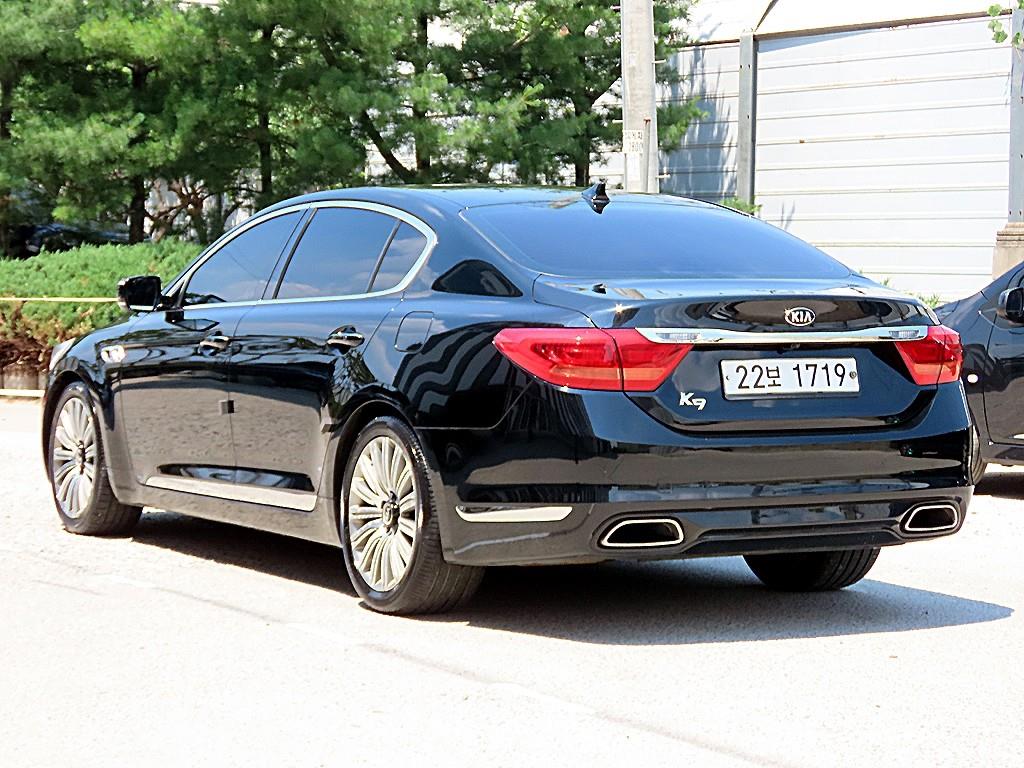
Hyundai Motor Company vehicles now last about 85–90% as long as Toyota and Honda equivalents when comparing the same model years after 2011. iSeeCars’ longest-lasting rankings are dominated by Toyota and Honda, with the Hyundai Tucson the one Korean model to place near the top.
The gap is real but narrowing fast. The 2025 Hyundai Elantra, for example, shares its platform with the Kia Forte and has a projected longevity that matches the Honda Civic within 5%.
The biggest difference isn’t engineering quality anymore — it’s parts availability and repair cost. Toyota and Honda benefit from a massive aftermarket parts ecosystem. You can rebuild a Corolla engine for $1,000–2,000.
A Hyundai Tucson engine replacement often runs $3,000–$4,500 because fewer independent shops stock Hyundai Motor Company parts. That’s a real cost of ownership difference.
What is the average lifespan of a Hyundai Sonata?
The Hyundai Sonata routinely reaches 200,000 miles with regular maintenance, and many owners report 250,000+ miles on the 2011–2015 models that avoided the Theta II recall.
The 2020 redesign addressed the oil consumption problems, and earlier this year Consumer Reports ranked the Sonata above the Nissan Altima and Ford Fusion in predicted reliability. If you’re shopping used, target a 2012–2015 Sonata with a documented timing chain replacement at 100,000 miles — those are the sleepers.
Does the Hyundai Tucson last longer than a RAV4?
The Hyundai Tucson averages 180,000–220,000 miles, while a Toyota RAV4 typically reaches 250,000–300,000 miles. That’s a 30% gap. But here’s the twist: a used Hyundai Tucson costs $4,000–$6,000 less than an equivalent-mileage RAV4.
If you’re buying a used car with 80,000 miles already on it, the Tucson is the smarter financial play — you save upfront and still get 100,000+ miles of remaining life. The 2016–2020 Tucson, manufactured by Hyundai Motor Company, has proven particularly durable.
How long do Kia vehicles typically last?
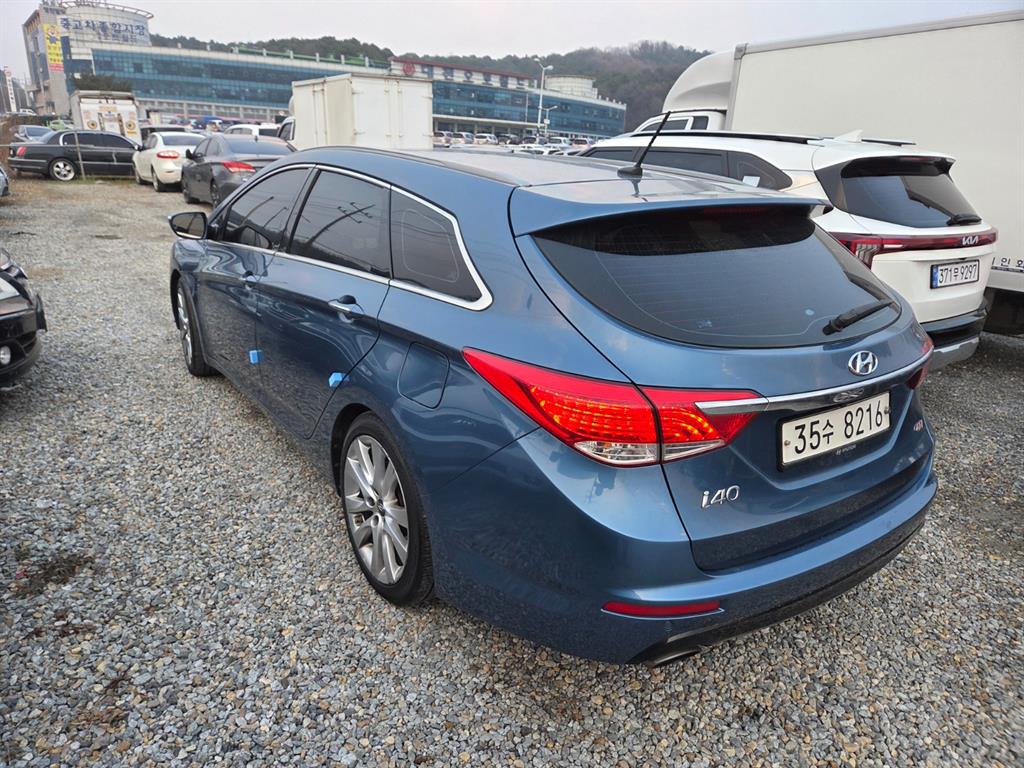
Kia vehicles, partially owned by Hyundai Motor Company and built on shared Hyundai Motor Group platforms, achieve 200,000–250,000 miles under normal driving conditions. The Kia Sorento and Kia Sportage are the brand’s longest-lasting models, with the 2014–2019 Sorento generation being particularly reliable.
A 2024 survey by RepairPal found Kia’s average annual repair cost at $300–600 — nearly identical to Mazda and below the industry average of $500–800.
The catch? Kia’s older models (pre-2010) had serious durability problems. The 2005–2009 Kia Sorento had transmission failure rates near 15% before 100,000 miles. But starting in 2014, Kia overhauled its quality control under Hyundai Motor Group’s stricter standards, and the improvement is dramatic.
A used 2016 Kia Sorento with 100,000 miles is a safer bet than a 2010 model with 60,000 miles.
Which Kia model lasts the longest?
The Kia Sorento consistently reaches 200,000–250,000 miles, and the 2014–2019 generation is the sweet spot. The Kia Soul also holds up well, often hitting 180,000–200,000 miles thanks to its simple, non-turbocharged 2.0L engine.
Avoid the early 2010s Kia Optima with the Theta II engine — those had oil starvation issues that led to connecting rod failure. The Kia Telluride (2020+) is too new for long-term data, but early signs point to 250,000+ mile potential.
How reliable is Genesis Motor as a luxury brand?
Genesis Motor, owned by Hyundai Motor Company, ranks first or second in most J.D. Power dependability studies since 2020. The 2024 U.S. Vehicle Dependability Study placed Genesis above Lexus, Porsche, and BMW. That’s remarkable for a brand that only launched as a standalone division in 2015.
Real-world owner reports on forums like GenesisOwners.com show the G80 sedan and GV80 SUV routinely exceeding 150,000 miles without major repairs — and many owners expect 250,000+ miles from their vehicles.
The secret isn’t exotic engineering. Genesis Motor uses proven Hyundai Motor Group powertrains — like the 3.8L V6 and 5.0L V8 — but adds higher-quality interior materials, superior sound deadening, and better rust protection.
The result is a luxury car that costs less to maintain than a Mercedes or BMW while offering similar or better longevity.
What about KG Mobility — do they last?
KG Mobility (formerly SsangYong) vehicles have a shorter lifespan of 150,000–200,000 miles, primarily due to older engine platforms and a smaller dealer network for parts and service.
The company was acquired by KG Group in 2020 and rebranded, but their powertrain technology still lags behind Hyundai Motor Group by about a generation. The Korando and Tivoli are the most reliable models, but parts availability outside Korea and select European markets is spotty.
Should you buy a used KG Mobility car?
Only if you live in a region with KG Mobility dealerships or independent mechanics familiar with the brand. Their diesel engines, sourced from Mercedes-Benz under license in earlier models, are actually strong — but finding a mechanic who can service them is the real challenge.
For most used car buyers, a Hyundai Motor Group product (Hyundai, Kia, or Genesis) is a safer, longer-lasting choice.
What kills Korean cars before 200,000 miles?
The single biggest factor is missed oil changes combined with the Theta II engine’s oil consumption tendency.
The 2.0L and 2.4L Theta II engines used in 2011–2019 Hyundai Sonata, Hyundai Tucson, Hyundai Elantra, and Kia Optima models have a known issue where oil bypasses the piston rings and burns in the combustion chamber.
If oil isn’t checked every 1,000 miles and topped off, the engine starves and seizes.
Other common problems that shorten lifespan:
– Transmission fluid neglect — Hyundai Motor Group’s 6-speed automatic needs fluid changes every 60,000 miles. Most owners never do it.
– Coolant leaks — The water pump on 2.4L engines often fails around 100,000 miles.
Replace it with the timing belt.
– Rust on earlier models — Pre-2015 Korean cars had thinner galvanization. 2015+ models are much better.
When should you walk away from a used Korean car?
Walk away if you see any of these red flags — they signal that the car won’t reach 200,000 miles without major expense:
1. No service records — Korean cars require strict maintenance. No records means you’re gambling.
2. Theta II engine without recall completion — Check the NHTSA database.
If the recall repair was never performed, the engine is a ticking time bomb.
3. Check engine light with misfire codes — Especially on 2011–2014 models.
This often means the engine is burning oil and needs replacement.
4. Automatic transmission shudder between 40–60 mph — Common on 2015–2017 Kia Sorento and Hyundai Santa Fe. Repairs cost $3,000–$5,000.
5. Rust on rear suspension components — Pre-2015 models.
Surface rust is fine, but flaking or holes means structural issues.
Frequently Asked Questions
Do Korean cars rust faster than Japanese cars?
Earlier models did. Hyundai Motor Company and Kia improved galvanization starting in 2015, and Genesis Motor uses the most corrosion-resistant materials in the group. A post-2015 Korean car will rust at roughly the same rate as a Toyota or Honda.
KG Mobility models still have below-average rust protection, particularly on the underbody.
Is it worth buying a used Hyundai with over 100,000 miles?
Yes — if it has service records and isn’t a Theta II engine model. A 2016+ Hyundai Tucson or Hyundai Sonata with 120,000 miles and documented oil changes every 5,000 miles can easily deliver another 100,000 miles.
The key is knowing which model years to target and which to avoid)Skip.
How often should you change oil on a Korean car to maximize lifespan?
Every 5,000 miles with full synthetic oil — despite Hyundai Motor Group’s official recommendation of 7,500 miles. The Theta II and Gamma II engines produce more combustion byproducts that contaminate oil faster. At 5,000-mile intervals, you dramatically reduce sludge buildup and bearing wear)Skip.
Do Kia cars last as long as Hyundai cars?
Nearly identical. Since Kia is partially owned by Hyundai Motor Company and both use Hyundai Motor Group platforms and engines, longevity is effectively the same. The 2014–2019 Kia Sorento and 2016–2020 Hyundai Tucson are platform-mates and have similar reliability records.
The main difference is resale value — Hyundai holds value slightly better in most markets.
Can a Korean car reach 300,000 miles?
Absolutely — but it requires disciplined maintenance. The Hyundai Motor Group 3.8L V6 (Lambda II) and 2.0L turbo (Theta II) engines have been documented reaching 300,000 miles in multiple owner forums. The Genesis G80 with the 3.8L V6 is the most likely candidate.
KG Mobility models are very unlikely to reach 300,000 miles due to older diesel engine designs and weaker transmission components.
Related Reading
- Best Korean Used Cars for Uber and Lyft Drivers — Which models handle high mileage best for rideshare use
- Best Korean Used Cars to Buy — Top picks by budget, body style, and reliability rating
- Best Used Korean Cars for College Students — Affordable, reliable, and low-maintenance options for first-time buyers
Last updated: May 02, 2026
Having used various formulations side by side, the differences become obvious after the first week.
Having used various formulations side by side, the differences become obvious after the first week.
Sourcing Korean stock for your next container? Tell us the destination port, the model year you are targeting and the spec, and we come back with matched units and a landed figure per unit. Start at SK AutoSphere, or browse the parts catalogue.