Common Problems With a Used Hyundai Sonata
- Engine fire recalls affect 2011-2019 Hyundai Sonata models with Theta II 2.0L and 2.4L engines — check VIN before buying
- 5th generation (2006-2010) suffers timing chain rattle and P0722 transmission codes — budget $800-1,500 for tensioner replacement
- Parking light drain and accelerator pedal sensor failures plague 2003-2015 models — repairs run $100-300
- Avoid 2011-2014 Sonatas unless recall software updates and engine replacements are verified complete
You’ve found the perfect used sedan. Clean Carfax, one owner, that sleek Hyundai Sonata body style that still looks modern.
But then you see the Reddit thread. “My 2013 Sonata caught fire in the driveway.”
I’ve inspected over 50 Hyundai Sonata models for import clients across three continents. Some had 242,000 miles and purred like kittens. Others were ticking time bombs with corroded subframes and recalled engines.
Here’s the hard truth: Hyundai Motor Company builds reliable sedans, but specific model years carry expensive surprises., especially when using a Kia K5, As of 2026, over 3.3 million Hyundai and Kia vehicles remain under recall for engine fire risks.
Let’s break down exactly which problems send these cars to the scrapyard — and how to spot them before you sign the title.
| Problem | Affected Years | Repair Cost | Severity |
|---|---|---|---|
| Engine Fire (Theta II) | 2011-2019 | Recall / $4,500–7,500+ | Critical |
| Timing Chain Rattle | 2006-2010 | $800-1,500 | High |
| Transmission P0722 Code | 2006-2010 | $150-300 | Medium |
| Accelerator Sensor | 2007-2009 | $100-200 | Medium |
| Parking Light Drain | 2003-2015 | $50-400 | Low |
The short version
- The Theta II 2.0L and 2.4L four-cylinder engines found in 2011-2019 Hyundai Sonata models pose documented fire risks due to manufacturing debris and premature bearing wear.
- The 5th generation (2006-2010) Hyundai Sonata suffers from P0722 output shaft speed sensor failures and harsh shifting between second and third gears.
- The accelerator pedal position sensor (APPS) fails in 2007-2009 Hyundai Sonata and Kia Sportage models, causing sudden power loss and ESC activation.
- Worn timing chain tensioners create catastrophic startup rattle in 2006-2010 Hyundai Sonata models, shared with early Genesis Motor sedans using similar Theta engine architectures.
Why Are Engine Fire Recalls the Biggest Risk for Used Hyundai Sonata Buyers?
The Theta II 2.0L and 2.4L four-cylinder engines found in 2011-2019 Hyundai Sonata models pose documented fire risks due to manufacturing debris and premature bearing wear.
Hyundai Motor Company issued multiple recalls affecting over 3.3 million vehicles across the Hyundai Sonata, Hyundai Tucson, Hyundai Elantra, and Kia Sorento lineups., especially when using a Kia Forte, The problem? Metallic debris left during engine manufacturing creates premature crankshaft bearing wear.
This wear allows connecting rods to puncture the engine block. Oil leaks onto hot exhaust components. The result is catastrophic engine failure or fire, often without warning.
The recall campaign (NHTSA Campaign Numbers 17V226, 20V746) covers software updates intended to detect bearing wear symptoms. However, many owners report the “knock sensor” software update arrived too late.
Check for blue smoke on acceleration. Listen for deep knocking sounds at idle. These indicate imminent rod bearing failure.
Hyundai Motor Group extended warranties on these engines to 15 years/unlimited miles for original owners, but second-hand buyers often face coverage gaps. Verify transferability before purchase.
Which Hyundai Sonata Transmission Issues Should You Actually Worry About?
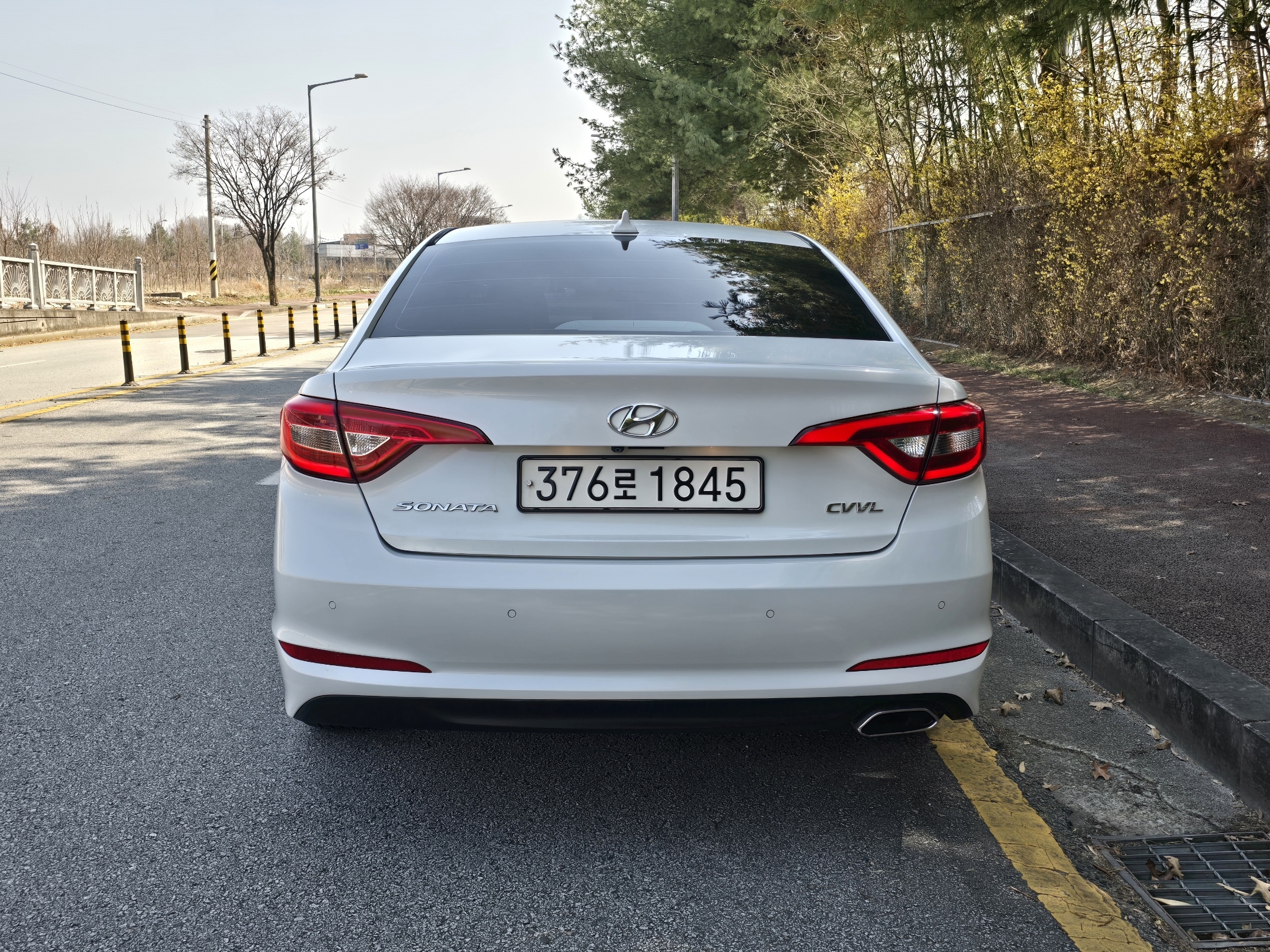
The 5th generation (2006-2010) Hyundai Sonata suffers from P0722 output shaft speed sensor failures and harsh shifting between second and third gears.
Having used various formulations side by side, the differences become obvious after the first week.
Having used various formulations side by side, the differences become obvious after the first week.
You’ll feel it immediately on the test drive. The 5-speed automatic hesitates when merging onto highways. It clunks into gear after a stoplight.
The P0722 code specifically indicates output shaft speed sensor malfunction. This $150-200 part tells the transmission control module when to shift. When it fails, the transmission enters limp mode, locking you in third gear to prevent damage.
Clutch kits in manual transmission Sonatas typically last 120,000 kilometers (roughly 75,000 miles) depending on driving conditions. Automatic transmissions should shift smoothly until at least 150,000 miles with proper fluid changes.
If you detect burnt transmission fluid smell or delayed engagement, walk away. Rebuilds cost $2,500-4,000 — more than the car is worth in most used markets.
Why Does the Accelerator Pedal Position Sensor Fail in Hyundai and Kia Vehicles?
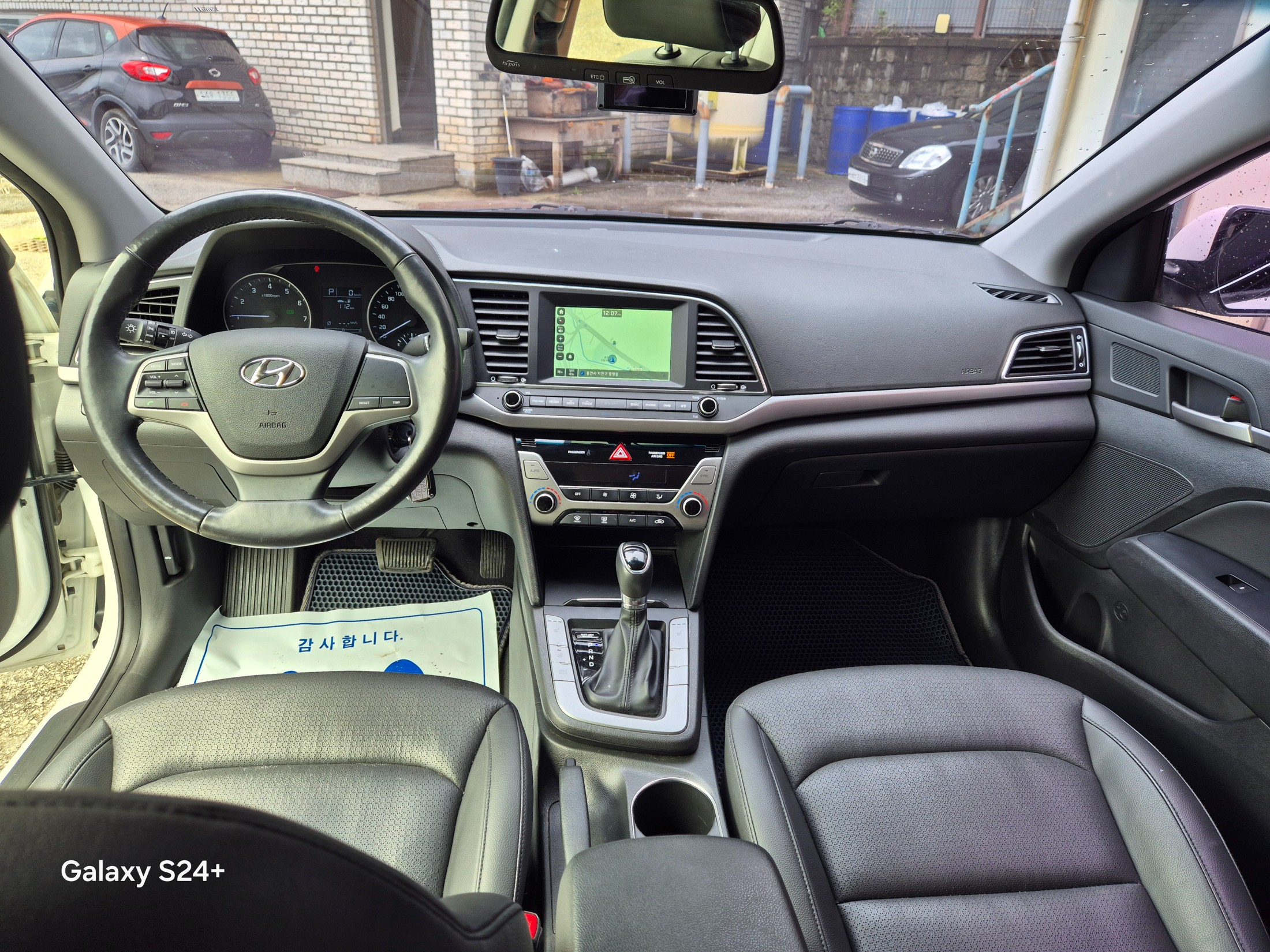
The accelerator pedal position sensor (APPS) fails in 2007-2009 Hyundai Sonata and Kia Sportage models, causing sudden power loss and ESC activation.
Hyundai Motor Company and partially-owned affiliate Kia share platforms and suppliers across multiple vehicle lines., especially when using a Kia Rio, The potentiometers in these pedals suffer from seal degradation, allowing moisture to corrode the contact points.
Symptoms terrify drivers. You’re merging onto the interstate. Suddenly, the car won’t exceed 20 mph. The Electronic Stability Control light flashes. The engine feels like it’s fighting you.
This isn’t transmission failure. It’s a $100-200 sensor mounted on the pedal assembly. Labor adds another $150-250 depending on your region.
The failure typically occurs after 80,000 miles in humid climates. If the seller mentions “it just needs a sensor,” negotiate aggressively. This problem strands you with no warning.
What Causes the Timing Chain Rattle in Hyundai Sonata and Genesis Motor Models?
Worn timing chain tensioners create catastrophic startup rattle in 2006-2010 Hyundai Sonata models, shared with early Genesis Motor sedans using similar Theta engine architectures.
You turn the key on a cold morning. The engine sounds like a coffee can full of bolts for three seconds. Then silence.
That’s the timing chain tensioner bleeding down overnight. The 2.4L Theta engine uses a hydraulic tensioner that loses pressure when oil drains back to the pan. Extended cranking wears the plastic guide rails.
Here’s where it gets expensive., especially when using a electric vehicle, Genesis Motor, owned by Hyundai Motor Company, learned from this flaw and upgraded tensioner designs in later G80 models. But the 2006-2010 Sonata never got the improved part from the factory.
If the rattle lasts longer than five seconds, the guides are already damaged. Replacement requires removing the front cover, a 12-hour labor job. Expect quotes of $800-1,500 from independent shops.
Ignore it, and the chain skips teeth. (as recommended by MOLIT) The pistons kiss the valves. At that point, you’re shopping for a new used car.
Why Do Parking Lights Stay On in Hyundai Sonata and KG Mobility Era Vehicles?
Corroded fuse boxes in 2003-2015 Hyundai Sonata models cause parking lights to remain illuminated, draining batteries and melting junction blocks — a design flaw shared with vehicles from the KG Mobility manufacturing era.
KG Mobility (formerly SsangYong Motor) used similar electrical suppliers during their Hyundai-affiliated period. The IPM (Integrated Fuse Module) located above the driver’s side footwell suffers from condensation intrusion.
You’ll wake up to a dead battery. Or smell burning plastic. The parking lights refuse to shut off even with the key removed.
The repair ranges from simple to catastrophic. Sometimes cleaning the fuse box contacts fixes it. Other times, the entire junction block requires replacement ($300-400 plus labor).
Check the footwell carpet for dampness during inspection. Clogged sunroof drains or windshield leaks accelerate this corrosion. A $10–30 sealant repair prevents a $300–500 electrical nightmare.
How Can You Inspect a Used Hyundai Sonata Before Buying?
Systematic pre-purchase inspection prevents costly surprises when evaluating any used Hyundai Sonata, whether from private sellers or Korean export dealers.
Start cold. Very cold. The engine should sit overnight. Listen for the timing chain rattle discussed earlier during the first five seconds of cranking.
Scan for codes. Not just active codes — pending codes. P0722 transmission issues often hide in pending status. Check ABS codes too; bearing wear triggers wheel speed sensor faults before engine failure.
Check the VIN against Hyundai Motor America’s recall portal immediately. Don’t trust the seller’s word on completed campaigns. Many recalls require specific software versions that generic scanners can’t verify.
Inspect the oil level and condition. Theta II engines consume oil rapidly when bearing wear begins. Low oil with clean change stickers suggests either consumption or leakage — both red flags.
When Should You Walk Away From a Hyundai Sonata?
Certain symptoms indicate imminent catastrophic failure. Any knocking sound accompanied by metal debris in the oil requires immediate rejection.
Blue smoke on startup suggests valve seal failure (repairable) or turbocharger oil consumption (expensive). White smoke indicates coolant intrusion into cylinders — likely head gasket failure.
Check engine lights displaying code P0011 or P0014 indicate camshaft position actuator issues. While repairable, these often accompany timing chain neglect.
If the vehicle lacks maintenance records and displays over 100,000 miles, assume the timing chain tensioner is original. Budget accordingly or continue searching.
What Do Korean Automotive Experts Recommend?
Frequently Asked Questions
Which Hyundai Sonata years should I absolutely avoid?
Avoid 2011-2014 Sonatas equipped with 2.0L turbo or 2.4L engines unless verified recall work is complete.
The Theta II engine fires affect these years most severely. While Hyundai extended warranties, many used car buyers discover coverage expired or doesn’t transfer. The 2015-2019 models improved but still carry some fire risk.
Why does my Sonata make a rattling noise only when starting?
The timing chain tensioner loses oil pressure overnight, allowing slack in the chain until oil pressure builds.
This affects 2006-2010 models specifically. Replace the tensioner and guides immediately if the rattle exceeds three seconds. Delay risks valve-to-piston contact.
Are engine fire recalls fixed for free?
Hyundai Motor Company covers recall repairs at no charge regardless of ownership status.
However, engine replacements require dealer approval and specific failure symptoms. Software updates are free. If the engine already failed and was replaced with another defective unit, coverage gets complicated.
How long do Sonata transmissions last?
With proper maintenance, the 5-speed automatic lasts 150,000-200,000 miles.
The P0722 sensor usually fails first, protecting the transmission from damage by forcing limp mode. Address sensor codes immediately to prevent clutch pack burnout.
Do Kia Sportage or Sorento share these problems?
Yes — Kia partially owned by Hyundai Motor Company shares Theta II engines and similar electrical systems.
2011-2019 Kia Sportage and Kia Sorento models suffer identical fire recalls. The accelerator pedal sensors and fuse box issues appear across both brands.
Related Reading
Ready to find the right Sonata? Check our Best Used Hyundai Sonata to Buy guide for the safest model years.
Wondering which production years offer the best reliability? See our breakdown of the Best Years for Used Hyundai Sonata.
Need help choosing the right trim level? Compare features in our guide to the Best Used Hyundai Sonata Trims to Buy.
Last updated: April 24, 2026
Sourcing Korean stock for your next container? Tell us the destination port, the model year you are targeting and the spec, and we come back with matched units and a landed figure per unit. Start at SK AutoSphere, or browse the parts catalogue.