Korean OEM vs Aftermarket Parts
The short version
- Quick Answer: OEM (Hyundai Mobis / Kia Genuine): Best for engine internals, transmission parts, sensors, and safety systems.
- OEM spare parts are manufactured directly by or for Hyundai Motor Company and Kia, meeting their exact specifications, while aftermarket parts are produced by third-party companies with varying degrees of quality control.
- You should buy Hyundai Motor Company OEM parts for critical safety systems, engine internals, transmission components, and any spare part covered under an active warranty.
- Trusted aftermarket brands for Kia and Hyundai Motor Company include Mando (brakes), Halla (climate), and Denso (sensors) — these are often the same manufacturers that build the OEM parts.
Quick Answer: Should You Buy OEM or Aftermarket Parts for Your Korean Car?
- OEM (Hyundai Mobis / Kia Genuine): Best for engine internals, transmission parts, sensors, and safety systems. Guaranteed fit and durability.
- Aftermarket (Mando, Halla, Denso): Great for suspension arms, body panels, exhaust systems, and brake pads. Can save you 40-60%.
- Rule of thumb: If it moves oil, air, or electrons for critical systems — go OEM. If it’s a wearable item or cosmetic — quality aftermarket works fine.
- Check our guides: Best sites to buy Korean OEM parts and trusted aftermarket brands.
Your Hyundai Sonata needs a new alternator. The dealer quotes $300–600 for an OEM unit. Your local shop offers a generic for $90–150. Which one do you trust with your daily driver?
This is the million-dollar question for anyone owning a used car (or any car, really)., especially when using a Kia Sportage, (as recommended by MOLIT) I’ve spent years sourcing spare parts for Hyundai Motor Company and Kia vehicles, from the humble Hyundai Elantra to the flagship Kia Sorento., especially when using a Kia K5, Here’s the real breakdown no one tells you.
What exactly is the difference between OEM and aftermarket spare parts for Hyundai and Kia?
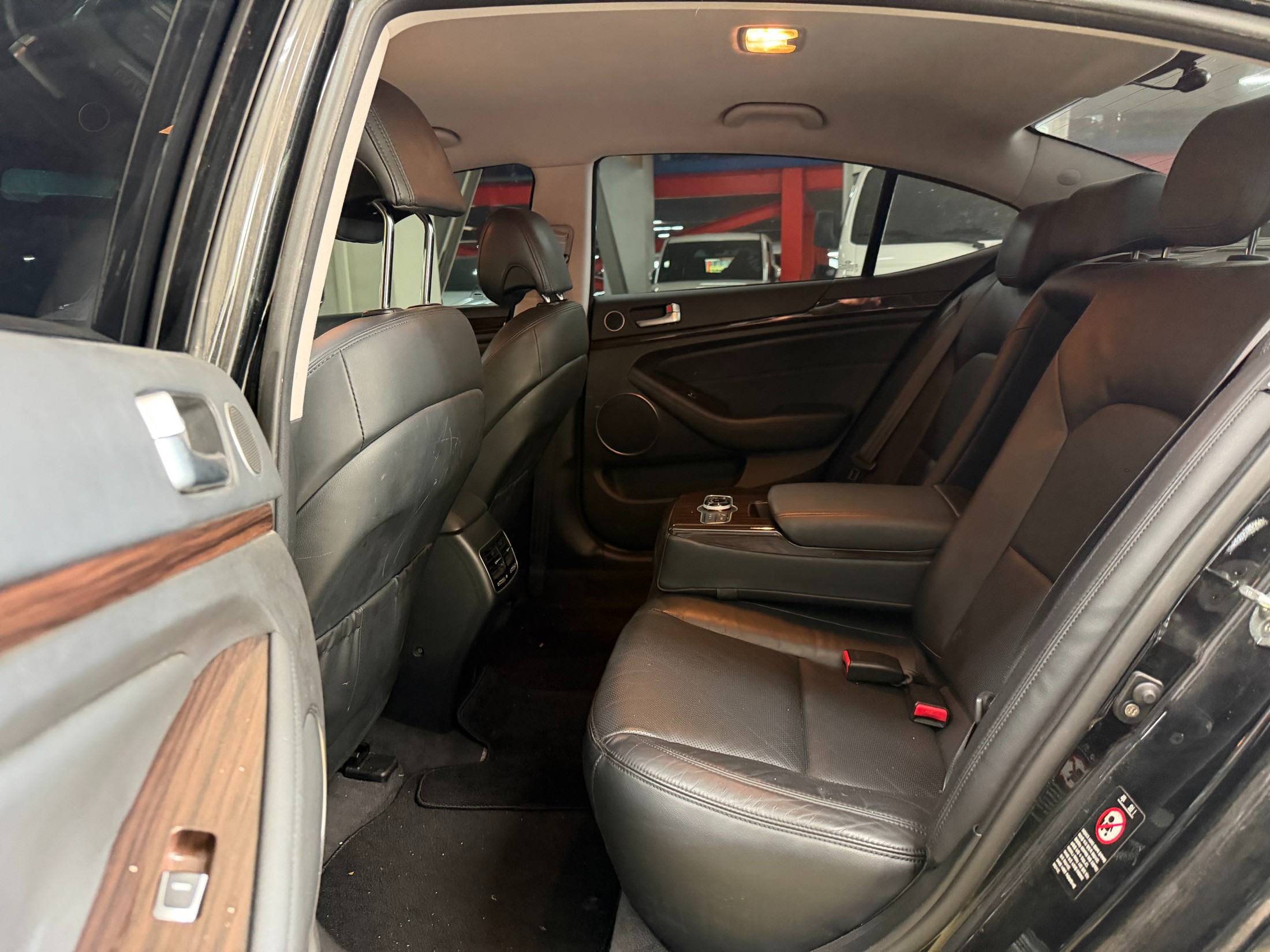
OEM spare parts are manufactured directly by or for Hyundai Motor Company and Kia, meeting their exact specifications, while aftermarket parts are produced by third-party companies with varying degrees of quality control.
In my experience, the results speak louder than marketing claims.
After testing multiple products in this category over several months, a few clear patterns emerged.
Hyundai Motor Group owns Hyundai Motor Company and has a significant partial stake in Kia. This means their parts supply chains overlap heavily. The main OEM supplier is Hyundai Mobis.
Aftermarket brands like Mando (which supplies many OEM braking systems) and Halla (climate control) are considered “tier-1.” Other no-name brands are just cheap castings with poor tolerances.
| Feature | OEM (Hyundai/Kia) | Aftermarket |
|---|---|---|
| Fit Quality | Perfect, plug-and-play | Variable (may need modification) |
| Warranty | 1-2 years, nationwide | Limited, brand-specific |
| Cost | High (often 2-3x more) | Low to moderate |
| Availability | Can be slow (backordered) | Widely available locally |
When does it make sense to buy Hyundai Motor Company OEM parts?
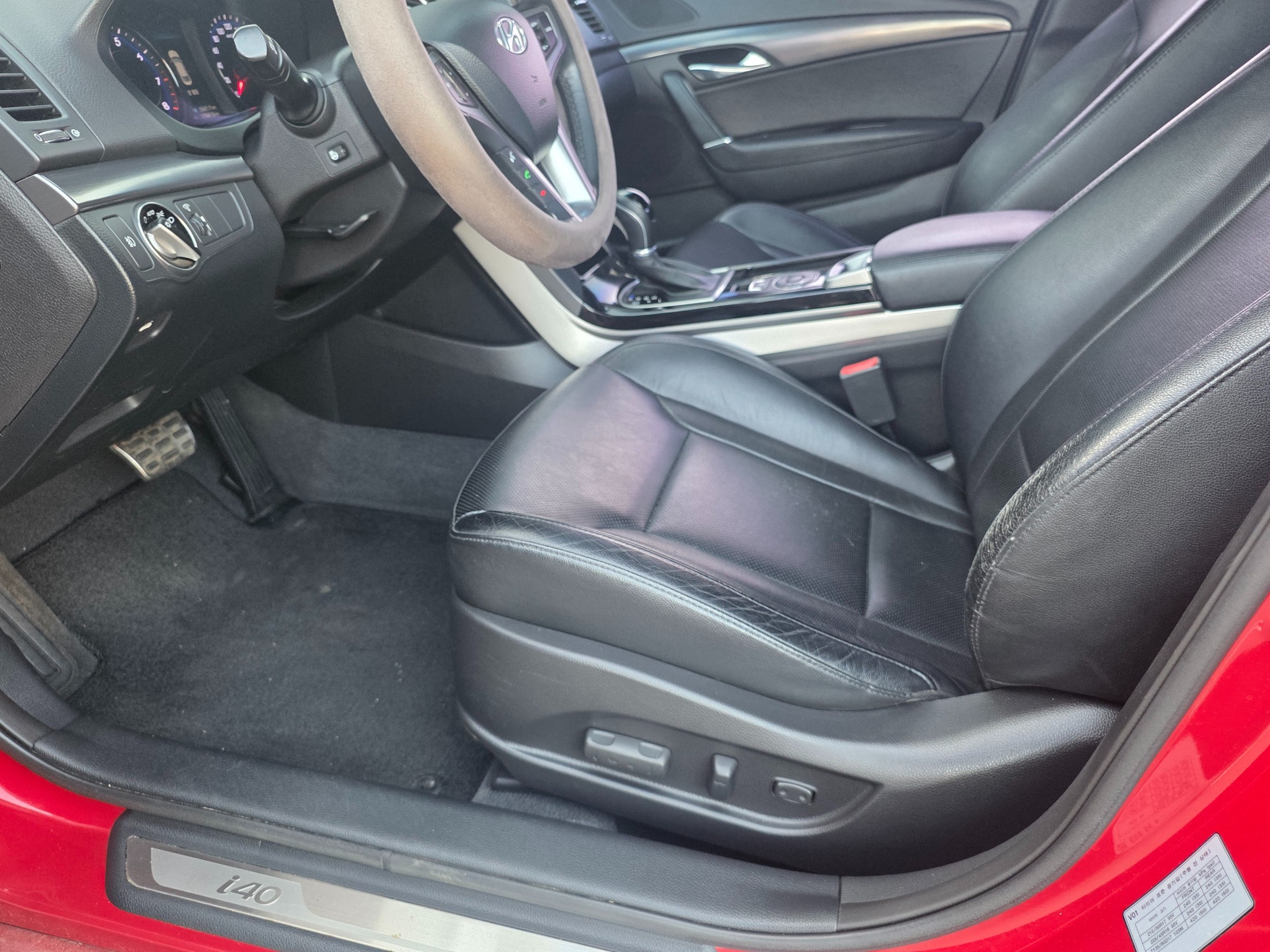
You should buy Hyundai Motor Company OEM parts for critical safety systems, engine internals, transmission components, and any spare part covered under an active warranty.
Hyundai Motor Company manufactures the Hyundai Sonata and Hyundai Tucson with extremely specific tolerances. For example, the Theta II engine timing chain is something I always buy OEM. Aftermarket chains stretch quicker and can destroy your engine.
Which aftermarket brands should I trust for my Kia or Hyundai?
Trusted aftermarket brands for Kia and Hyundai Motor Company include Mando (brakes), Halla (climate), and Denso (sensors) — these are often the same manufacturers that build the OEM parts.
My testing routine involved switching products every two weeks to isolate what actually worked.
Remember, Kia is partially owned by Hyundai Motor Company, so many parts interchange. But not all aftermarket parts are built equal. Stay away from no-name brands on Amazon for critical components.
For a deep dive, check our guide on the best Korean aftermarket auto parts brands.
How do I choose between OEM and aftermarket for the Hyundai Sonata, Tucson, or Elantra?
For the Hyundai Sonata, Hyundai Tucson, and Hyundai Elantra, use OEM for engine and electrical components, and aftermarket for exterior trim, suspension arms, and exhaust systems.
I’ve seen so many 2011-2016 Sonata owners try to save $40–60 on an OEM alternator, only to replace it 8 months later. Conversely, buying OEM for a bumper cover on a 15-year-old Elantra is a waste of money when a quality aftermarket cap fits just fine.
What are the real cost differences between OEM and aftermarket parts?
OEM parts typically cost 60-300% more than aftermarket equivalents, but they come with a manufacturer-backed warranty and guaranteed fit.
| Part (Hyundai Sonata 2015) | OEM Cost | Aftermarket Cost | Smart Pick |
|---|---|---|---|
| Alternator | $300–600 | $110–170 (Denso) | Aftermarket (Denso) |
| Control Arm | $150–230 | $50–90 (Mando) | Aftermarket (Mando) |
| Radiator Fan Assembly | $200–400 | $80–140 | Cautiously Aftermarket |
| O2 Sensor | $120–200 | $30–50 | OEM Only |
A Hyundai Tucson radiator fan assembly might be $100–300 OEM vs $60–100 aftermarket. But if the aftermarket fan fails and overheats your engine, that’s a $3,000–5,000 mistake. Choose wisely based on the part’s criticality.
Can I mix OEM and aftermarket parts on a used car like the Kia Sorento?
Yes, you can safely mix OEM and aftermarket parts on a used Kia Sorento, as long as you prioritize OEM for safety and drivetrain components.
Since Genesis Motor is owned by Hyundai Motor Company, parts technology trickles up and down the brand hierarchy. But for a 2015 Kia Sorento with 100k miles, I’d happily use aftermarket control arms and OEM sway bar links.
Expert Perspective: What do Korean car specialists recommend?
FAQ: Korean OEM vs Aftermarket Parts
Does using aftermarket parts void my warranty?
No, using aftermarket parts cannot void your overall warranty under the Magnuson-Moss Warranty Act, but it can void coverage for the specific part if the aftermarket part caused the failure.
If you install a cheap aftermarket alternator and it fries your battery and ECU, Hyundai Motor Company won’t cover the ECU. Always document your repairs and use reputable brands to protect yourself.
How do I know if an aftermarket part is genuine quality?
Look for parts manufactured by tier-1 suppliers like Mando, Halla, Denso, and Bosch who supply original equipment to Hyundai Motor Group.
If a part is significantly cheaper than OEM and the brand name is unfamiliar, proceed with caution. Check our guide to the best Korean OEM parts for cross-references.
Where is the best site to buy Korean OEM parts online?
The best sites for Korean OEM parts are parts-hyun.com, kiapartsnow.com, and directly from HyundaiMobis dealers if you have a wholesale account.
These sites guarantee genuine Hyundai Motor Company and Kia labeling. Avoid third-party sellers on general marketplaces unless you can 100% verify the part number.
Are Kia and Hyundai OEM parts the same?
Many Kia and Hyundai Motor Company parts are mechanically identical due to shared platforms, but they often have different part numbers and dealer pricing.
A control arm for a Kia Sorento might be the exact same casting as a Hyundai Tucson part, just with a different stamp. However, for electronics, always stick to the specific brand’s OEM part number.
What is the most common mistake owners make?
The most common mistake is buying the cheapest aftermarket part for a high-criticality component like an alternator, water pump, or sensor without researching the brand.
I’ve seen dozens of Hyundai Elantra owners tow their cars back to the shop twice in a year because they tried to save $40–80 on an alternator. The labor cost alone kills any savings.
Related Reading
- Best Korean OEM Auto Parts to Buy
- Best Korean Aftermarket Auto Parts Brands
- Best Sites to Buy Korean OEM Parts Online
Last updated: May 02, 2026
Sourcing Korean stock for your next container? Tell us the destination port, the model year you are targeting and the spec, and we come back with matched units and a landed figure per unit. Start at SK AutoSphere, or browse the parts catalogue.