The Drive-Side Map: Which African Markets Can Actually Register a Korean Car
This is the first question in a Korea-to-Africa vehicle programme and it is asked last more often than it is asked first. Korea’s domestic fleet is left-hand drive. Roughly half of Africa’s countries require right-hand drive.
A left-hand-drive Hyundai Tucson that arrives in a right-hand-drive jurisdiction is not a duty problem or a documentation problem — it is a vehicle that cannot be registered, sitting on a quay, accruing storage.
No amount of clearing skill fixes it. Get this map right before anything else.
The short version
- e Korean auction units are registrable without modification: West Africa: Nigeria, Ghana, Côte d’Ivoire, Senegal, Togo, Benin, Burkina Faso, Mali, Niger, Guinea, Sierra Leone, Liberia, Guinea-Bissau, The Gambia, Mauritania, Cape Verde.
- These drive on the left and require right-hand drive: Kenya, Tanzania, Uganda, Zambia, Zimbabwe, Malawi, Mozambique, Botswana, Namibia, South Africa, Lesotho, Eswatini, Mauritius, Seychelles, and the other Indian Ocean island states.
- Hyundai and Kia manufacture right-hand-drive variants — they sell heavily in the United Kingdom, Ireland, Australia, New Zealand, South Africa, India, Japan and South East Asia.
- Right-hand-drive conversion of a modern vehicle is technically possible and commercially unviable at volume.
The markets that take Korean stock as it comes
These African countries drive on the right, so left-hand-drive Korean auction units are registrable without modification:
West Africa: Nigeria, Ghana, Côte d’Ivoire, Senegal, Togo, Benin, Burkina Faso, Mali, Niger, Guinea, Sierra Leone, Liberia, Guinea-Bissau, The Gambia, Mauritania, Cape Verde.
Central Africa: Cameroon, the Republic of Congo, the Democratic Republic of Congo, Gabon, Equatorial Guinea, Chad, the Central African Republic, Angola, São Tomé and Príncipe.
East and North-East Africa: Ethiopia, Eritrea, Djibouti, Somalia, South Sudan, Sudan, Rwanda, Burundi.
North Africa: Egypt, Libya, Tunisia, Algeria, Morocco.
Note that Rwanda and Burundi drive on the right despite sitting inside an East African region that mostly does not — a distinction that catches operators who treat “East Africa” as one homologation zone.
The markets that cannot register it
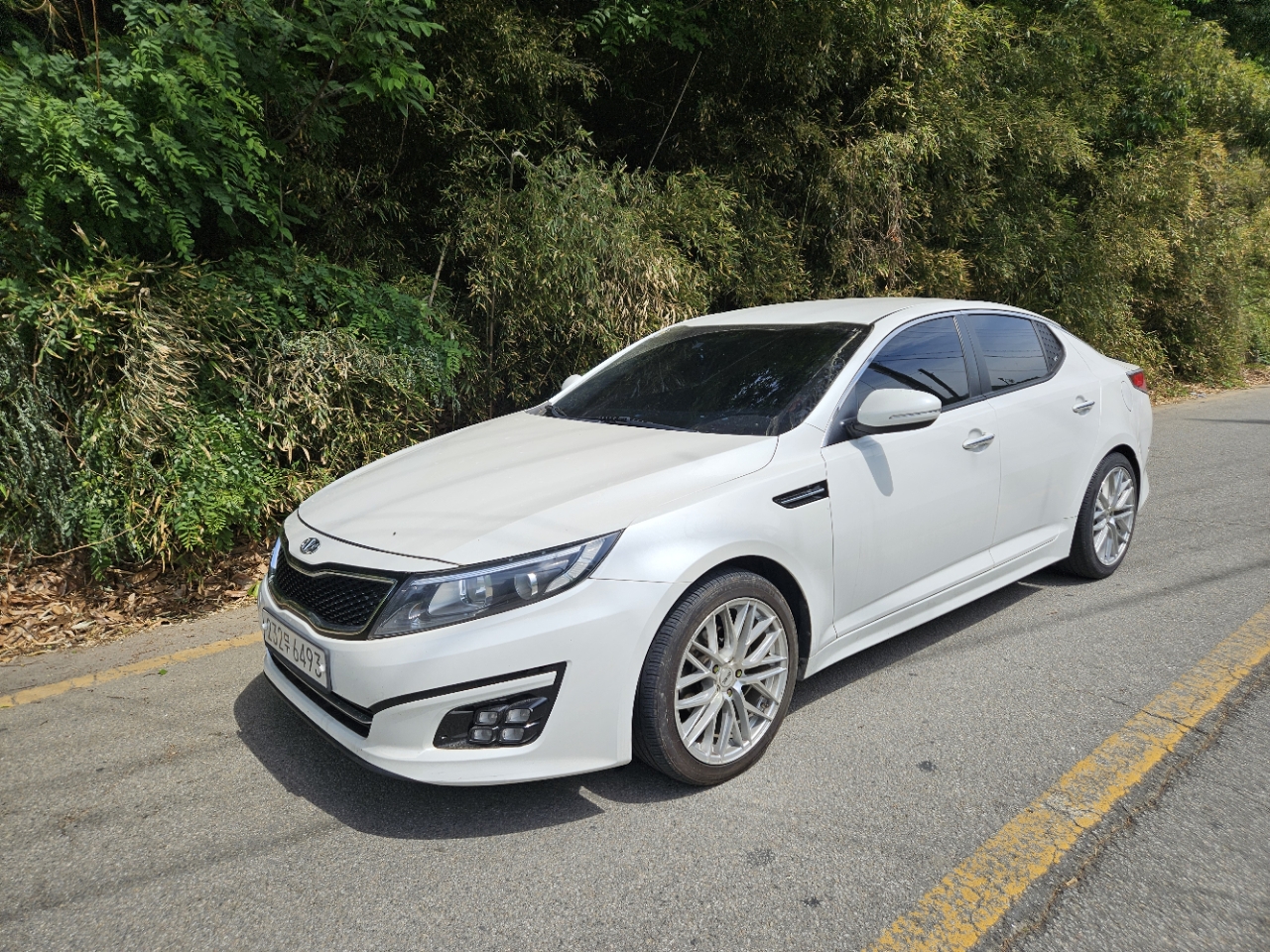
These drive on the left and require right-hand drive:
Kenya, Tanzania, Uganda, Zambia, Zimbabwe, Malawi, Mozambique, Botswana, Namibia, South Africa, Lesotho, Eswatini, Mauritius, Seychelles, and the other Indian Ocean island states.
That is the entire southern and eastern belt, and it includes several of the continent’s largest and most active used-vehicle import markets.
Kenya, Tanzania and Uganda between them absorb an enormous volume of used vehicles every year — almost all of it right-hand-drive stock out of Japan, Singapore and the United Kingdom, not out of Korea.
Kenya’s position is the clearest: left-hand-drive vehicles are prohibited from import for ordinary registration, with narrow exceptions for specified special-purpose equipment. The others operate comparable restrictions.
Why “Korean right-hand drive” is usually not what it sounds like
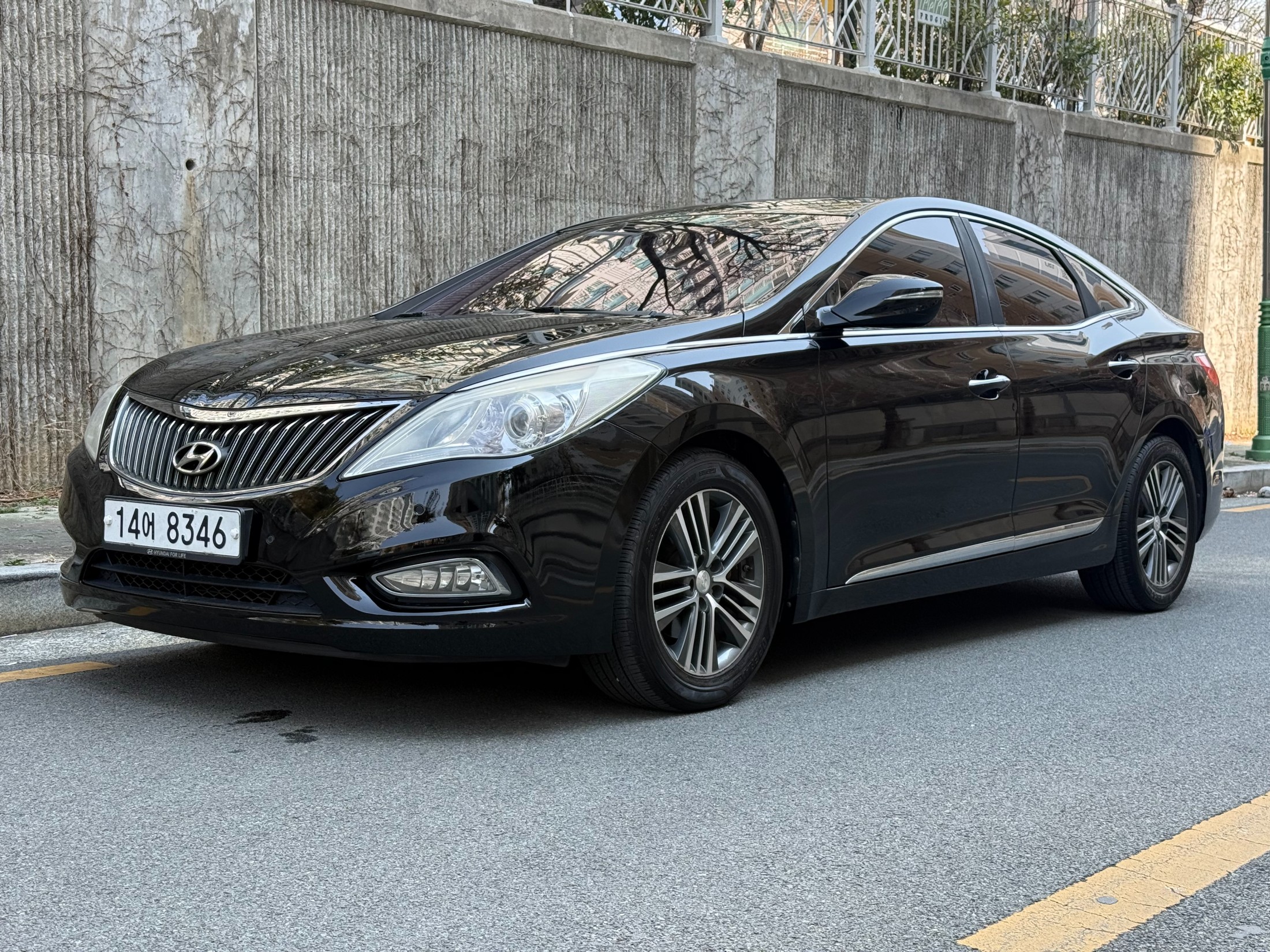
Hyundai and Kia manufacture right-hand-drive variants — they sell heavily in the United Kingdom, Ireland, Australia, New Zealand, South Africa, India, Japan and South East Asia. So right-hand-drive Korean-brand vehicles certainly exist.
They are not in the Korean domestic auction pool, because they were never registered in Korea. A right-hand-drive Sportage was built for export, sold new abroad, and enters the used market in whichever country it was registered in.
Sourcing it means sourcing from the United Kingdom, Japan, Singapore, the United Arab Emirates or South Africa — a completely different supply chain from a Korean domestic auction.
When an agent offers “Korean stock, right-hand drive”, establish which of those two things they mean.
If they cannot produce a Korean registration record and an export deregistration certificate for the chassis, the unit is not Korean domestic stock, and the price, condition and history assumptions that make Korean sourcing attractive do not apply to it.
Conversion is not a commercial answer
Right-hand-drive conversion of a modern vehicle is technically possible and commercially unviable at volume.
On a unit built after roughly 2015 the work touches the steering rack and column, the electric power steering module and its calibration, the pedal box, the brake and clutch hydraulics, the dashboard and its structural crossmember, the driver airbag and the airbag control unit, the wiring loom, the HVAC ducting and the wiper mechanism.
Beyond cost, the certification problem is decisive: several right-hand-drive jurisdictions will not register a converted vehicle at all, and those that do require an engineering certification the inspection regime accepts. A conversion that fails inspection leaves the importer holding a vehicle that is worth less than the unconverted original.
Treat conversion as unavailable and plan supply accordingly.
Transit is the exception worth knowing
A vehicle passing through a right-hand-drive country under customs transit is not registered there, so the drive-side rule does not bind.
This is what makes Walvis Bay usable as an entrance for Angola-bound and Katanga-bound Korean cargo despite Namibia itself requiring right-hand drive, and what allows cargo to cross Zambia towards the Democratic Republic of Congo.
The distinction is precise and it depends entirely on the customs regime the movement is under. Cargo entering for home consumption must satisfy the registration rules. Cargo moving under a sealed transit document to a declared destination does not. Confusing the two is expensive in both directions.
The practical check, before any deposit
For every unit, before money moves:
- Confirm the destination country’s drive side against the list above, and confirm it for the country where the vehicle will be registered, not the port it discharges at.
- Confirm the vehicle’s drive side from the Korean registration record, not from a listing photograph — photographs get mirrored, and a listing description is not a document.
- Get the chassis number in writing and keep it consistent across the proforma invoice, the export deregistration certificate and the bill of lading.
Three checks, an hour of work. The alternative is discovering the answer at a port where the vehicle cannot legally leave the terminal.
Sourcing Korean stock for your next container? Tell us the destination port, the model year you are targeting and the spec, and we come back with matched units and a landed figure per unit. Start at SK AutoSphere, or browse the parts catalogue.