Vetting a Korean Vehicle Export Agent: Verification Steps Before You Wire Money
African buyers sourcing used vehicles from Korea rarely lose money on the vehicle itself — grade sheets from auction houses operating under Korea’s licensed auto auction framework are honest enough, and the underlying stock is real.
The money disappears at a different point: the agent or “dealer” standing between the buyer and the auction floor. The pattern repeats with almost no variation — a WhatsApp contact claiming to source from Incheon, a deposit wired against a screenshot of a listing, then silence once the funds clear.
None of those buyers had asked the one question that would have stopped it: can this agent actually register a vehicle for export in their own name?
The short version
- Every vehicle legally leaving Korea for export needs an export deregistration certificate — 수출말소증명서 — issued once the vehicle’s domestic registration is cancelled.
- 1. Cross-check the auction lot independently, not through the agent’s link.
- fic chassis number, an export deregistration certificate once the vehicle is pulled from domestic registration, a bill of lading once it is loaded at Busan, Incheon or Pyeongtaek, and a certificate of origin for customs clearance on arrival.
- #8217;s deposit typically covers the agent’s service fee and a portion of the vehicle held in escrow or via TT ahead of shipment, structured so the agent has no reason to rush a full wire before the vehicle is confirmed theirs to sell.
How do you prove a Korean export agent is legitimate?
Every vehicle legally leaving Korea for export needs an export deregistration certificate — 수출말소증명서 — issued once the vehicle’s domestic registration is cancelled. This single document is the difference between a real export transaction and a reshipped stock photo.
A legitimate agent can produce, on request, the vehicle’s Korean registration number and a scan of a prior export deregistration certificate for a different unit they have shipped — not a promise, an actual filed document with a registration number a buyer can ask a third party to check.
Fraudulent operators almost never have this because they do not actually hold the vehicle. They are typically reselling a screenshot pulled from a legitimate listing that someone else already purchased, hoping the buyer wires a deposit before discovering the vehicle sold to its real buyer three days earlier.
Asking for the registration number up front — before any deposit — filters out this category of scam in one message, because it is the one thing a screenshot-reseller cannot produce.
What can you verify about an agent in under two days?
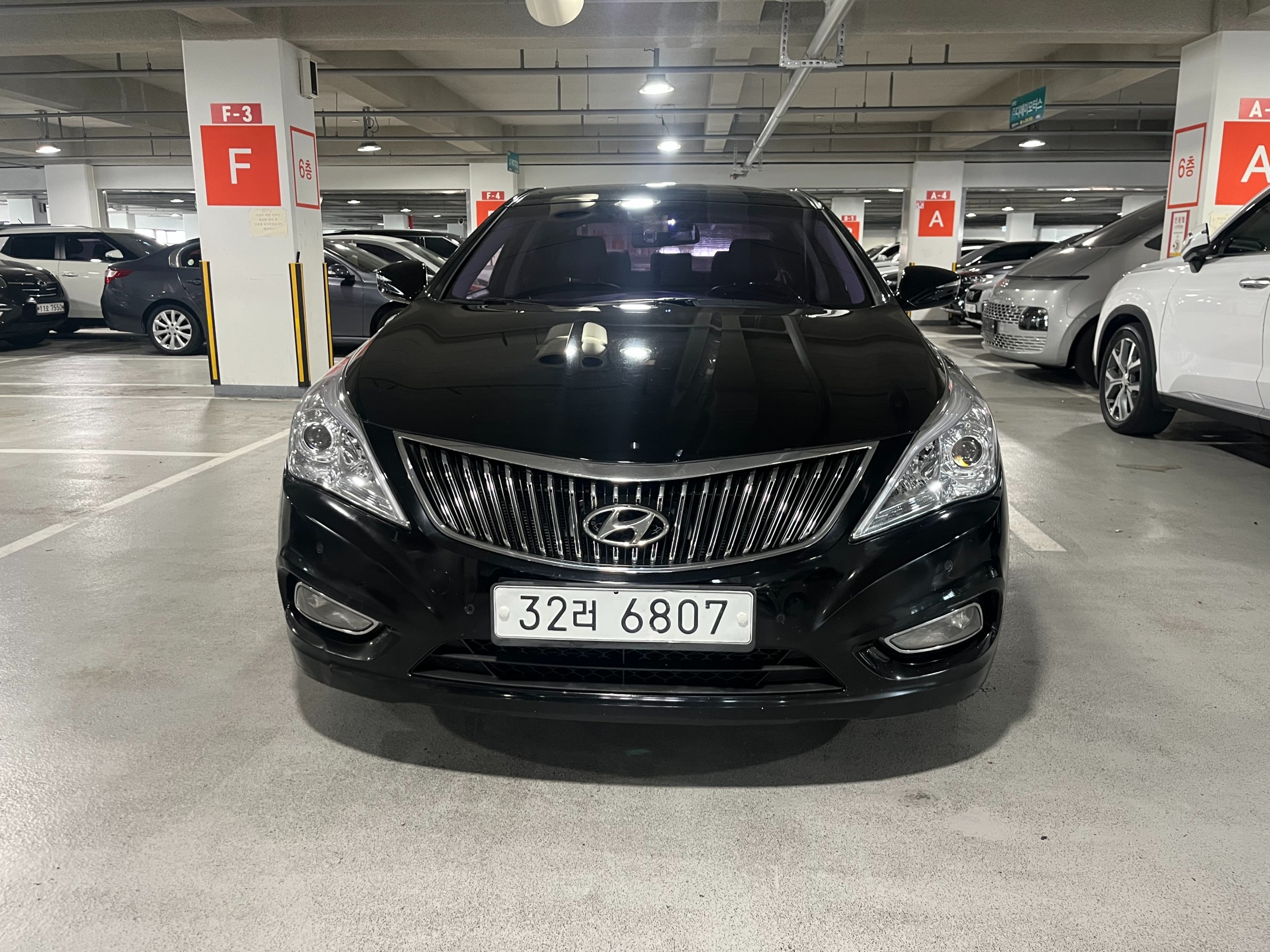
1. Cross-check the auction lot independently, not through the agent’s link. If an agent sends a listing URL, open the platform’s own search rather than clicking the link they supplied, and search by chassis number or auction lot number.
If the vehicle does not independently surface on the platform’s own search, the “listing” may be a manually built page or an expired lot the agent is still showing buyers.
2.
Request a live video call showing the physical vehicle with today’s date. A legitimate dealer holding physical or consigned stock in a yard near Incheon, Busan or Pyeongtaek can walk a phone camera around the vehicle and show a newspaper or phone screen with today’s date in the same shot — a low-tech but effective proof-of-life check that a photo-reseller cannot fake without warning.
Buyers who skip this step and rely only on the original listing photos are trusting images that could be weeks or months old.
3. Verify the business registration independently, not via a number the agent supplies. Korean businesses register with a 10-digit business registration number (사업자등록번호) that can be checked through the National Tax Service business status lookup on Hometax.
An agent who refuses to share this number, or whose number returns 폐업 (closed/discontinued) on lookup, is not someone to wire a deposit to regardless of how professional their WhatsApp catalogue looks.
What does a real invoice trail look like?
A legitimate transaction produces a paper trail that survives scrutiny at every stage: a proforma invoice referencing the specific chassis number, an export deregistration certificate once the vehicle is pulled from domestic registration, a bill of lading once it is loaded at Busan, Incheon or Pyeongtaek, and a certificate of origin for customs clearance on arrival.
Buyers who have been burned report the same gap in every case after the fact — they had a screenshot and a WhatsApp thread, and nothing that referenced an actual chassis number until it was too late to matter.
Before any deposit moves, ask for the chassis number in writing and confirm it matches across the listing, the proforma invoice and (once issued) the export certificate. If any two of those three do not match, stop the transaction.
When is a deposit request a red flag?
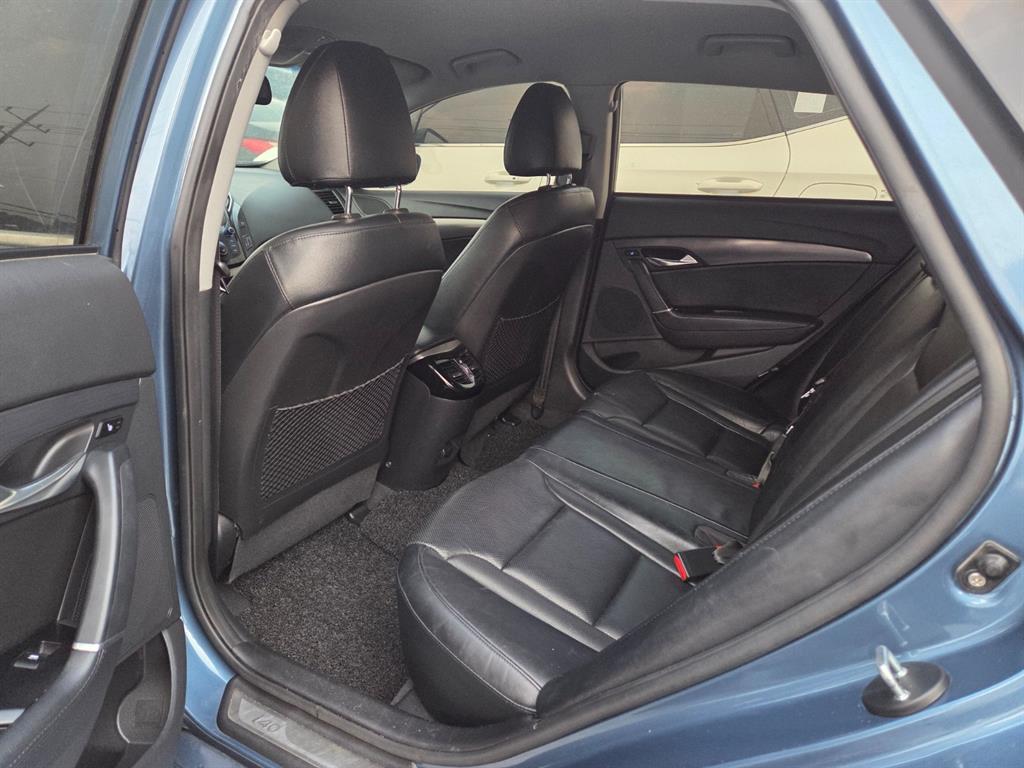
Genuine Korean export dealers selling through auction consignment are paid by the auction house on settlement, not by the buyer directly for the vehicle value — the buyer’s deposit typically covers the agent’s service fee and a portion of the vehicle held in escrow or via TT ahead of shipment, structured so the agent has no reason to rush a full wire before the vehicle is confirmed theirs to sell.
An agent pushing for the entire vehicle amount wired immediately, before providing a chassis number or an export registration reference, is asking the buyer to fund a purchase the agent has not made yet — which is exactly the sequence that leaves buyers holding nothing when the agent disappears.
None of this requires hiring a Seoul-based lawyer or paying for a formal due-diligence service. It requires three questions asked before money moves: the export registration reference, a same-day video walkaround, and an independently-checked business registration number.
Agents who answer all three without hesitation are, in practice, the ones buyers keep working with for years.
Sourcing Korean stock for your next container? Tell us the destination port, the model year you are targeting and the spec, and we come back with matched units and a landed figure per unit. Start at SK AutoSphere, or browse the parts catalogue.