Who Actually Carries Vehicles From Korea to Africa
An importer comparing quotes is usually comparing forwarders, not carriers.
The forwarder is a useful intermediary, but the service quality, the transit time and the damage exposure are determined by which carrier and which mode is under the quote — and that is a question most quotations do not answer unless asked.
The short version
- Roll-on/roll-off moves vehicles as vehicles.
- Vehicle carrying is a specialised business run by a small number of operators.
- Containerised vehicle cargo moves on the ordinary container lines, and from Busan essentially all of the major networks are available.
- Comparing a roll-on/roll-off per-unit rate against a container rate directly is meaningless.
Two modes, two entirely different products
Roll-on/roll-off moves vehicles as vehicles. They are driven aboard a purpose-built car carrier, secured on a deck, and driven off at the destination. The vessels are large, the decks are weather-protected, and handling is by trained drivers.
Containerised moves vehicles as cargo inside a standard box, secured with cradles, racking, straps or wooden bracing.
The differences that matter to a used-vehicle importer:
- Security. A sealed container is a sealed container. A vehicle on an open car-carrier deck is accessible to anyone with deck access, and pilferage of wing mirrors, badges, wheels, batteries and interior items is a known exposure on some routes.
- Handling damage. Roll-on/roll-off involves driving; containerised involves lifting, lashing and unlashing. Both damage vehicles, in different ways.
- Density economics. A container’s cost is fixed regardless of how many vehicles are in it, so per-unit cost falls sharply with density. Roll-on/roll-off prices per unit, so there is no density benefit.
- Service availability. Car carrier services call at a limited set of ports. Container services reach far more destinations, because transhipment is routine.
- Condition on arrival. A vehicle inside a sealed container arrives without salt exposure and without deck handling. On a used unit sold on condition, this is a real value difference.
The car carrier operators
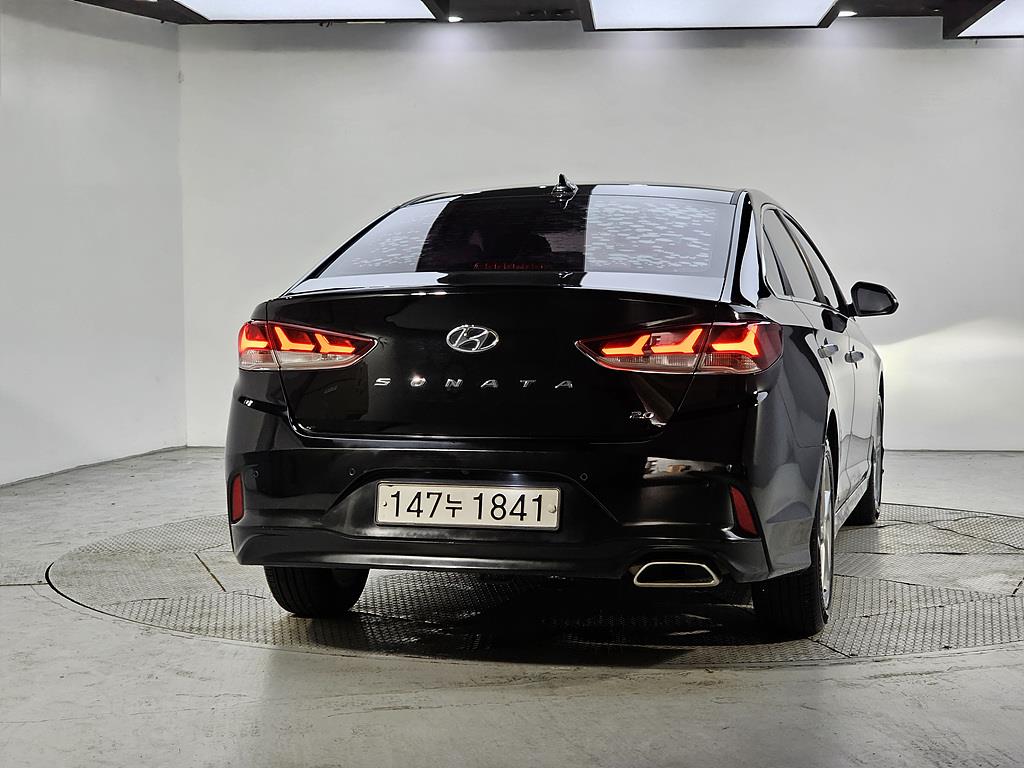
Vehicle carrying is a specialised business run by a small number of operators.
The names that appear on Korea-origin routings include EUKOR Car Carriers, which is headquartered in Korea and grew out of the Korean automotive export trade; a manufacturer-run auction house, the logistics arm within the Hyundai group; Höegh Autoliners; Wallenius Wilhelmsen; the Japanese operators NYK, MOL and K Line; and Grimaldi, which has the strongest West African network of any car carrier operator.
Grimaldi is the name that matters most for West Africa specifically. Its network into the West African range is deeper than the alternatives, and where a direct or single-transhipment roll-on/roll-off service to a West African port exists, it is frequently theirs.
For an importer, the practical question is not which operator is best in the abstract. It is which operator has a service that actually calls at your discharge port, at what frequency, and whether the Korean loading port they use matches where your vehicle is.
The container carriers
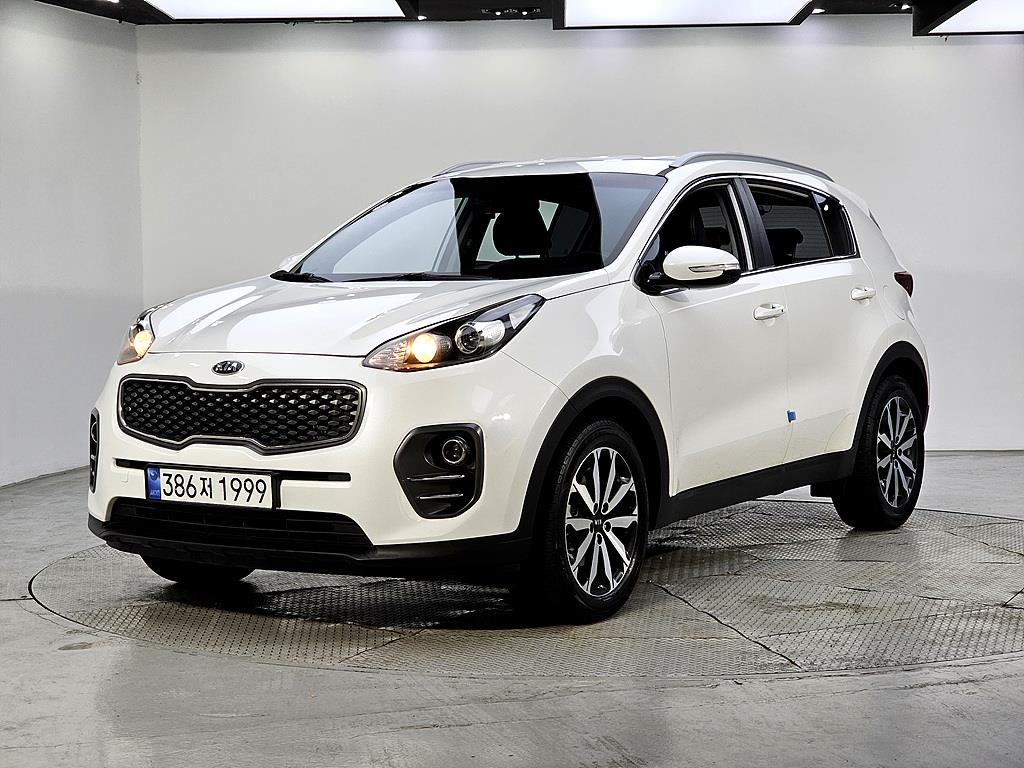
Containerised vehicle cargo moves on the ordinary container lines, and from Busan essentially all of the major networks are available. The routing to African destinations is typically via transhipment — at a Middle Eastern, Mediterranean, European or West African hub depending on the line’s network.
What to establish before booking:
- Number of transhipments. Each one adds a wait and a set of handling operations.
- The transhipment port. Some hubs move cargo quickly; others accumulate delay.
- Whether the quoted transit is a schedule or an estimate. These are different, and the difference is usually several weeks on an African routing.
The freight quote is not the comparison
Comparing a roll-on/roll-off per-unit rate against a container rate directly is meaningless. The container rate has to be divided by the number of units you can actually fit, and the fit depends on the vehicles.
The comparison that works: total landed cost per unit, including origin inland transport to the loading port, the freight, the securing and cradle materials for a containerised move, destination terminal handling, and an allowance for the damage rate each mode carries on that route.
That last term is the one importers omit and the one that decides the answer on used vehicles. A mode that costs slightly less per unit but produces a cosmetic damage claim on one unit in ten is more expensive.
Booking questions that change the outcome
- Which carrier, and is this a direct service or a transhipment? If transhipped, where and how many times.
- Which Korean loading port, and does that match where the vehicle is?
- What is the cut-off, and what happens if the unit misses it?
- For roll-on/roll-off: what is the carrier’s policy on personal effects and on fuel level? Both are commonly restricted and both cause problems at loading.
- For containerised: who stuffs the container, and what securing method is used? Cradles and racking versus wooden bracing is a real difference in arrival condition.
- Is the bill of lading a straight or negotiable document, and will release be by original or telex? This determines what has to physically travel and when.
The one thing worth paying for
On used vehicles moving into markets where the sale is a condition sale, the mode and carrier that produce the best arrival condition are usually the right choice even at a premium.
The vehicle’s value is its condition; a scratched, salt-exposed unit with a missing mirror sells for materially less and takes longer to sell.
Importers who have run both modes on the same route generally converge on the same conclusion — containerised, well stuffed, well secured, consolidated to good density — for exactly that reason.
Roll-on/roll-off wins where volume is high enough that per-unit economics dominate and where a direct service exists to the discharge port.
Sourcing Korean stock for your next container? Tell us the destination port, the model year you are targeting and the spec, and we come back with matched units and a landed figure per unit. Start at SK AutoSphere, or browse the parts catalogue.