Choosing a Korean Loading Port: Pyeongtaek, Incheon, Masan, Ulsan and Busan
African importers book “shipment from Korea” and let the agent choose the port.
That works until it does not — until a unit sits in a yard for weeks waiting for a service that calls rarely, or until inland transport from a dealer near Seoul to a southern port turns out to be a real cost line nobody quoted.
Korea has five ports that matter for vehicle export, and they do different jobs.
The short version
- Pyeongtaek, on the west coast south of Incheon, is Korea’s principal automobile export port.
- Incheon sits on the west coast adjacent to Seoul and is the port most associated with the used-vehicle export trade specifically.
- Busan is Korea’s dominant container port and one of the largest transhipment hubs in the world.
- Ulsan, on the south-east coast, is a major industrial port associated with vehicle manufacturing and handles substantial vehicle export volume.
Pyeongtaek: the vehicle port
Pyeongtaek, on the west coast south of Incheon, is Korea’s principal automobile export port. It handles new-vehicle exports at volume and it is where the roll-on/roll-off infrastructure, the vehicle storage yards and the handling expertise are concentrated.
For used-vehicle exporters this matters in three ways. Car carrier services call there. The yard capacity exists, so a unit waiting for a sailing is not a problem.
And the handling operation is set up for vehicles rather than treating them as awkward general cargo, which reduces the damage exposure that costs money on a used unit sold on condition.
Pyeongtaek’s other advantage is geographic: it is close to the Seoul metropolitan area, where a large share of Korean used stock originates. Inland transport from a dealer or auction in Gyeonggi Province to Pyeongtaek is short.
Incheon: proximity to the used-vehicle trade
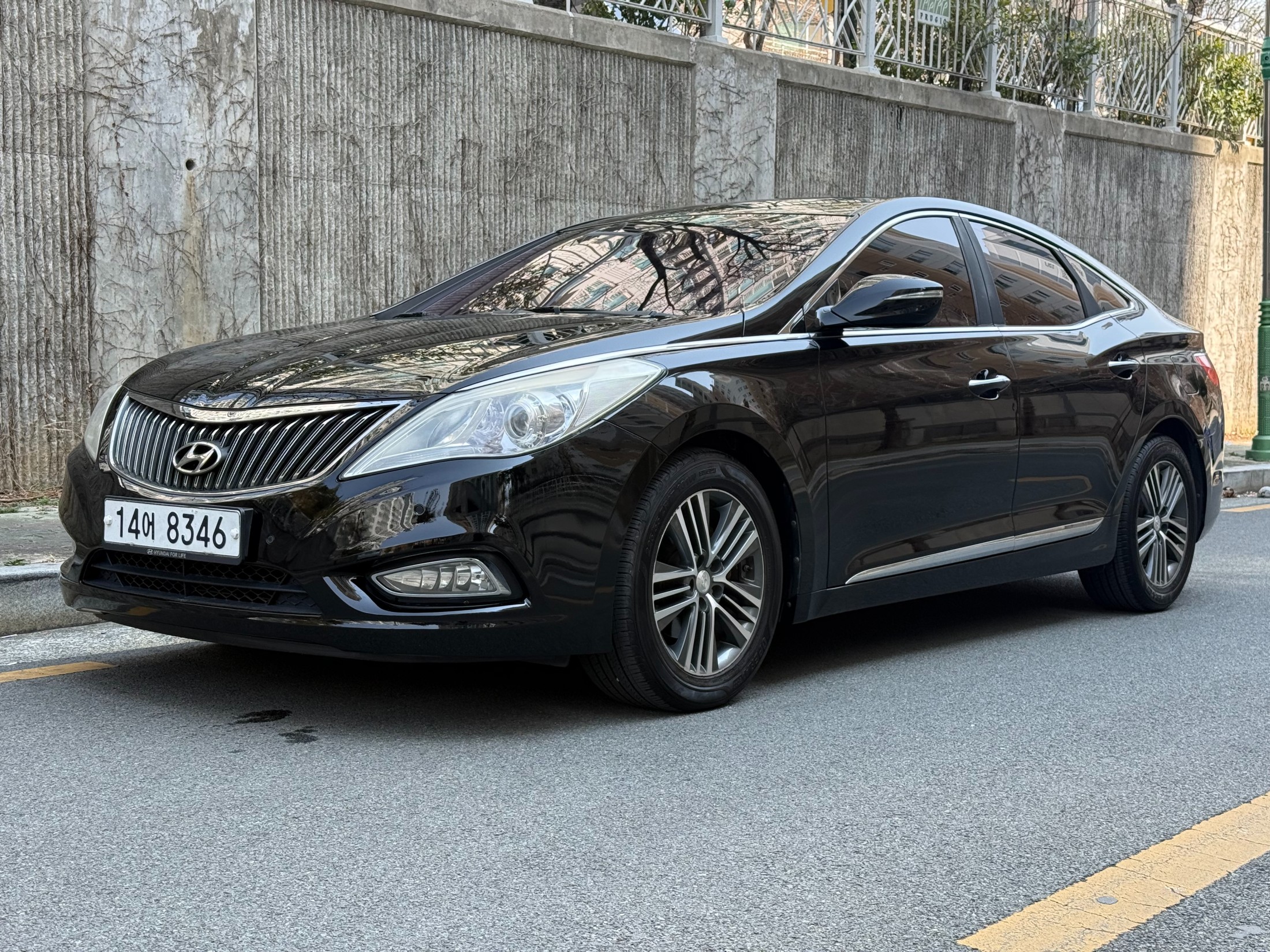
Incheon sits on the west coast adjacent to Seoul and is the port most associated with the used-vehicle export trade specifically. The export yards, the exporter offices and the dismantling and preparation operations cluster around it.
For an importer, the practical significance is that Incheon is where a Korean-side agent handling used vehicles is most likely to be physically operating.
If your agent’s yard is near Incheon, shipping from Incheon removes an inland leg and a handover — and every handover is a point where a vehicle can be damaged or delayed.
Incheon handles both containerised and roll-on/roll-off cargo, though the deep-sea car carrier calls are concentrated at Pyeongtaek.
Busan: the container port
Busan is Korea’s dominant container port and one of the largest transhipment hubs in the world.
For vehicle export the implication is straightforward: if your unit is going into a container, Busan gives you the widest choice of services, the most frequent sailings and the best transhipment connectivity to destinations that do not have direct Korean service.
For West African, Central African and East African destinations that are served by transhipment rather than direct call, Busan is usually the routing that produces the shortest and most reliable transit.
The trade-off is inland transport: Busan is at the south-eastern corner of the country, and moving a vehicle there from the Seoul area is a full day’s transport with a cost attached.
Ulsan and Masan: the industrial and secondary ports
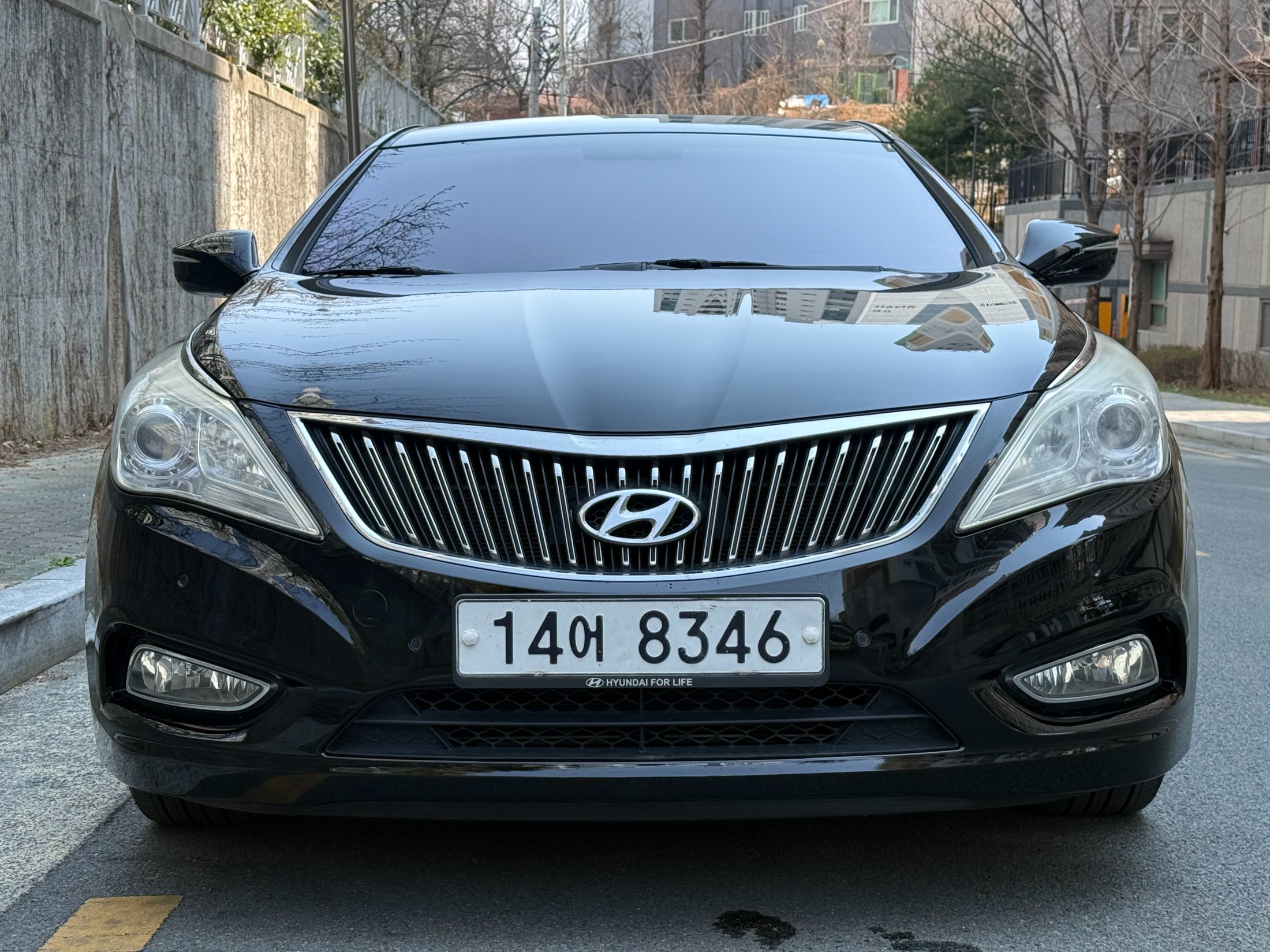
Ulsan, on the south-east coast, is a major industrial port associated with vehicle manufacturing and handles substantial vehicle export volume. Masan, on the south coast, handles vehicle and general cargo and appears on some export routings.
For a used-vehicle importer these are secondary options that come into play when a specific service calls there or when a consolidator is operating locally. They are not a default choice, and a routing through them should be justified by an actual service advantage rather than accepted passively.
The decision, in practice
The port follows the shipping mode, and the shipping mode follows the shipment size:
Single unit or small volume, containerised — Busan for service choice, unless the agent’s yard is at Incheon and the freight difference does not justify the inland leg.
Consolidated container of several units — wherever the consolidator’s stuffing operation is, because moving multiple vehicles to a different port to stuff them is a cost with no benefit. In practice that is usually Incheon or Busan.
Roll-on/roll-off — Pyeongtaek, following the car carrier services, or a port where a specific service calls.
Volume programme with regular sailings — Pyeongtaek or Busan depending on mode, with the choice made once and held, because a stable routing is worth more than optimising each shipment.
The inland leg nobody quotes
The single most common gap in a Korean-side quotation is inland transport from the vehicle’s location to the loading port.
It is a real cost, it varies by distance and by whether the unit moves on a car carrier truck or under its own power, and an agent quoting a bare figure has usually assumed a port and not told you which.
Ask explicitly: which port, and is inland transport from the vehicle’s current location included. On a Seoul-area vehicle shipping from Busan, that leg is not trivial. On the same vehicle shipping from Incheon, it is minor. A quotation that does not name the port is not a quotation.
What to fix in the agreement with the Korean side
- Named loading port, agreed in advance.
- Inland transport included or excluded, stated explicitly, with the origin location named.
- Yard storage terms — how long the unit can sit awaiting the vessel, and what it costs after that.
- Who bears the cost of a rolled sailing and what happens if the unit misses cut-off.
- Pre-loading condition record — photographs at the yard, dated, before the unit leaves for the port.
That last item is the one that pays for itself. A vehicle that arrives with damage is a claim, and a claim needs a before. Photographs taken at the Korean yard, at a known date, against the chassis number, are the before.
Without them, the underwriter’s question — was it damaged in transit or was it already like that — has no answer and the claim fails.
Sourcing Korean stock for your next container? Tell us the destination port, the model year you are targeting and the spec, and we come back with matched units and a landed figure per unit. Start at SK AutoSphere, or browse the parts catalogue.