Making a Marine Cargo Claim Stick When a Vehicle Arrives Damaged
A Kia Sportage comes out of a container at Abidjan with a creased rear quarter panel and a broken tail light. The importer has marine cargo insurance.
Six weeks later the claim is declined, and the stated reason is that the damage cannot be established to have occurred during the insured transit.
That outcome is the norm rather than the exception on used vehicles, and it is almost always decided by what the importer did in the first forty-eight hours after discharge — and by what they did in Korea before the vehicle was loaded.
The short version
- Marine cargo policies come in standard forms, and the difference between them decides which claims are payable.
- An underwriter’s first question is whether the damage pre-existed.
- The claims procedure in most policies imposes obligations on the assured, and failing them is a defence against the claim regardless of the merits.
- On a containerised shipment, the state of the box tells the story.
Buy the right cover in the first place
Marine cargo policies come in standard forms, and the difference between them decides which claims are payable.
Named-perils cover responds to a listed set of events — typically major casualties like fire, stranding, sinking, collision. Cosmetic handling damage is not on that list.
An importer with named-perils cover on a routing with three lifts and a transhipment has bought protection against the events that almost never happen and none against the events that regularly do.
All-risks cover responds to physical loss or damage from any external cause, subject to the policy’s exclusions. This is the appropriate form for used vehicles on a multi-handling routing.
Read the exclusions before assuming you are covered. Ordinary wear and tear, inherent vice, insufficient packing and delay are standard exclusions, and “insufficient packing” is exactly what an underwriter will point at when a vehicle was badly braced with timber inside a container.
The transit clause matters too. Cover that runs warehouse to warehouse behaves very differently from cover that ends on discharge, and an importer whose vehicle is damaged during inland transport from the port needs to know which they bought.
The evidence you need must exist before loading
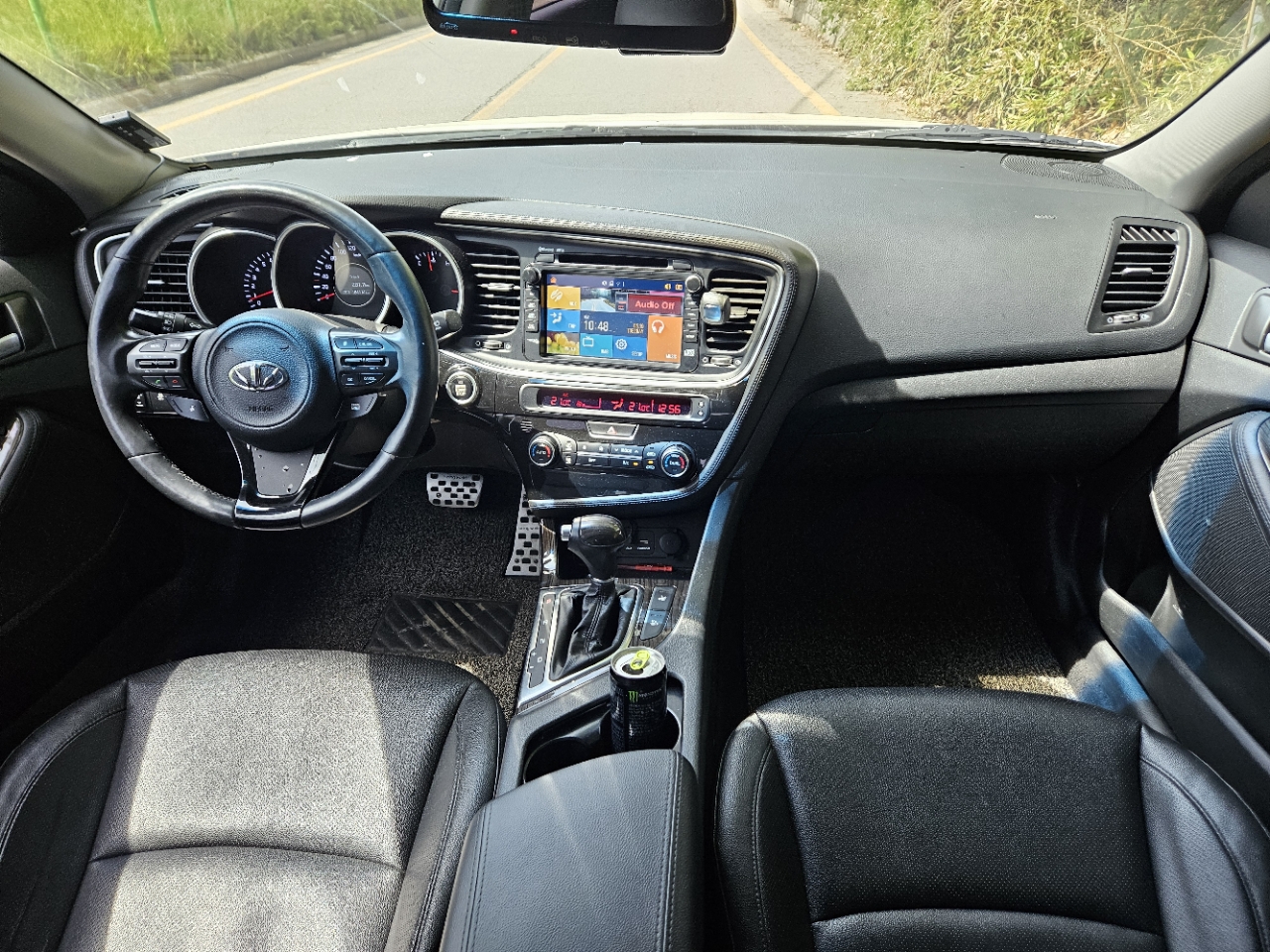
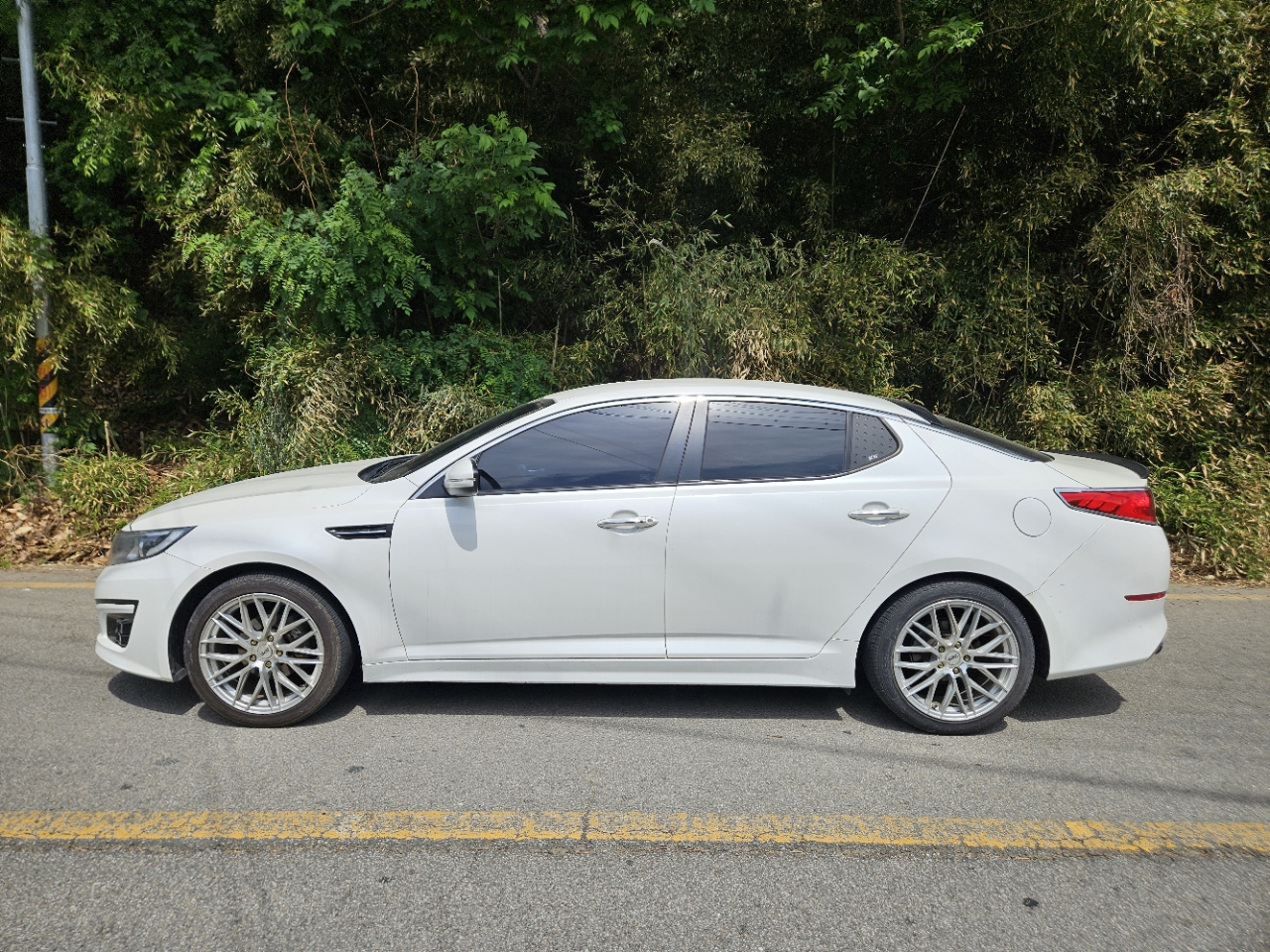
An underwriter’s first question is whether the damage pre-existed. On a used vehicle that already has stone chips, kerbed wheels and a repaired panel or two, that question is not unreasonable — and without a before, it is unanswerable.
The before is a dated photographic record made at the Korean yard, per chassis, showing every panel, the wheels, the glass, the interior and the odometer, identifiable to the vehicle.
Where the destination required a pre-export inspection, the inspection report and its photographs do the same job with the added weight of a third party.
Make the photograph set a condition of loading in the agreement with the yard or consolidator. It costs nothing and it is the difference between a payable claim and an argument.
The forty-eight hours after discharge
The claims procedure in most policies imposes obligations on the assured, and failing them is a defence against the claim regardless of the merits.
Note the damage before taking clean delivery. Do not sign a clean receipt for damaged cargo. Where damage is apparent, the delivery document must be claused to record it. A clean receipt is evidence that the goods were delivered in good order, and it is difficult to argue past.
Notify the carrier in writing immediately. Carriage conventions impose short notice periods for apparent damage, typically at or within a few days of delivery, and longer but still limited periods for damage not apparent on delivery.
Missing the notice period does not always extinguish the claim but it shifts the burden badly.
Notify the underwriter or their local settling agent. Policies name one. Contact them, not only your broker.
Do not move or repair the vehicle before the survey. Repairing damage before it has been surveyed removes the evidence, and an underwriter is entitled to decline on that basis alone.
Request a survey. This is the pivotal step. An independent surveyor examines the vehicle, records the damage, forms a view on causation, and produces the report the claim is decided on. Where the policy requires a survey, a claim without one generally fails.
Photograph everything again, including the container, the securing arrangements as found, the seal, and the vehicle in place before it is moved.
The container itself is evidence
On a containerised shipment, the state of the box tells the story. Photograph the seal before it is broken and record its number against the number advised at stuffing. Photograph the interior securing arrangement before anything is disturbed — the position of the chocks, straps, timber or racking.
If the securing has failed, that is visible, and it locates the cause. If the securing is intact and the vehicle is damaged, that points elsewhere. Either way the photograph is worth more than any description written afterwards.
A seal number that does not match is a different problem entirely — that is a security incident, and it should be recorded and reported immediately rather than treated as a paperwork discrepancy.
Time limits run faster than importers expect
Two separate clocks apply. The policy’s own time bar for bringing a claim, and the time bar for action against the carrier under the applicable carriage regime — commonly one year from delivery.
That second one matters because a subrogated recovery against the carrier is part of what the underwriter is buying with your claim. An importer who lets the carrier time bar expire has reduced the underwriter’s recovery position, and underwriters respond to that.
Building the file that gets paid
The complete claim file for a damaged vehicle:
- Pre-loading photographs and, where obtained, the pre-export inspection report
- Bill of lading and packing list
- Commercial invoice
- Insurance certificate or policy
- The claused delivery receipt recording the damage
- Written notice to the carrier, with proof of despatch and the date
- Independent survey report
- Photographs of the container, seal and securing as found
- Repair estimate from a competent workshop, itemised
- A statement of the loss claimed, reconciled to the estimate
Assembled in that order, a claim on genuine transit damage is straightforward. Missing the pre-loading photographs or the survey, it usually is not — and neither of those can be created after the fact.
The habit worth forming
Treat every shipment as a potential claim from the moment it is booked. Photographs at loading, an intact document set, a claused receipt if anything is wrong, and a survey before anything is touched.
Four habits, none expensive, and together they turn insurance from a line item into something that actually pays.
Sourcing Korean stock for your next container? Tell us the destination port, the model year you are targeting and the spec, and we come back with matched units and a landed figure per unit. Start at SK AutoSphere, or browse the parts catalogue.