What Is Hyundai’s Powertrain Warranty on Used Cars
- Hyundai’s 10-year/100,000-mile powertrain warranty transfers to subsequent owners — but only for the remainder of the 5-year/60,000-mile “limited” term when bought used.
- Certified Pre-Owned (CPO) Hyundai vehicles add 2 additional years/20,000 miles of comprehensive warranty coverage and maintain the full 10-year powertrain plan.
- You must verify the original in-service date via a VIN check at a Hyundai dealer or through MOLIT records if imported from South Korea.
- The powertrain covers the engine, automatic transmission, and diesel engine components — but not wear items like clutches or timing belts.
You’ve found a used Hyundai that’s practically calling your name. It’s got low miles, it’s clean, and the price is right. But there’s that one nagging question gnawing at you: Does the famous 10-year warranty still apply?
Here’s the thing: Hyundai’s warranty is one of the best in the business. It’s a huge reason why buyers love the brand. But when you’re buying a used car, the rules change.
And most used car buyers don’t realize just how much coverage they’re entitled to — or how to claim it.
I’ve spent years in the Korean used car export industry. I’ve seen importers lose thousands because they didn’t understand the warranty fine print. After researching MOLIT regulations and consulting with Hyundai dealers on three continents, here’s exactly what you need to know.
| Scenario | Powertrain Coverage | Comprehensive Coverage |
|---|---|---|
| New Hyundai (first owner) | 10 years / 100,000 miles | 5 years / 60,000 miles |
| Used Hyundai (non-CPO) | 5 years / 60,000 miles (from original in-service date) | Remainder of 5/60 (typically expires) |
| Hyundai CPO Used Car | 10 years / 100,000 miles (full transfer) | 2 additional years / 20,000 miles |
The short version
- rty or non-CPO dealer, the powertrain warranty doesn’t fully transfer — it downgrades.** Here’s the reality check: the original 10-year/100,000-mile coverage that the first owner enjoyed becomes a 5-year/60,000-mile plan for you.
- You can check your used Hyundai’s warranty status in minutes using the vehicle’s VIN.
- Yes, your used car’s warranty is measured by both time AND the odometer — whichever comes first.
How does Hyundai’s powertrain warranty transfer to a used car buyer?
**When you buy a used Hyundai from a private party or non-CPO dealer, the powertrain warranty doesn’t fully transfer — it downgrades.** Here’s the reality check: the original 10-year/100,000-mile coverage that the first owner enjoyed becomes a 5-year/60,000-mile plan for you.
This isn’t a trick or a loophole. It’s a standard practice across the automotive industry in South Korea and the US. Hyundai designed the extended 10-year powertrain coverage as a loyalty benefit for the first retail buyer, not for subsequent owners.
But wait — there’s a big exception. If you purchase a Hyundai Sonata or Hyundai Tucson that is Certified Pre-Owned (CPO), the full original powertrain warranty carries over to you as the second owner. CPO vehicles go through a 150-point inspection and include a comprehensive warranty upgrade.
How do I check my used Hyundai’s warranty status?
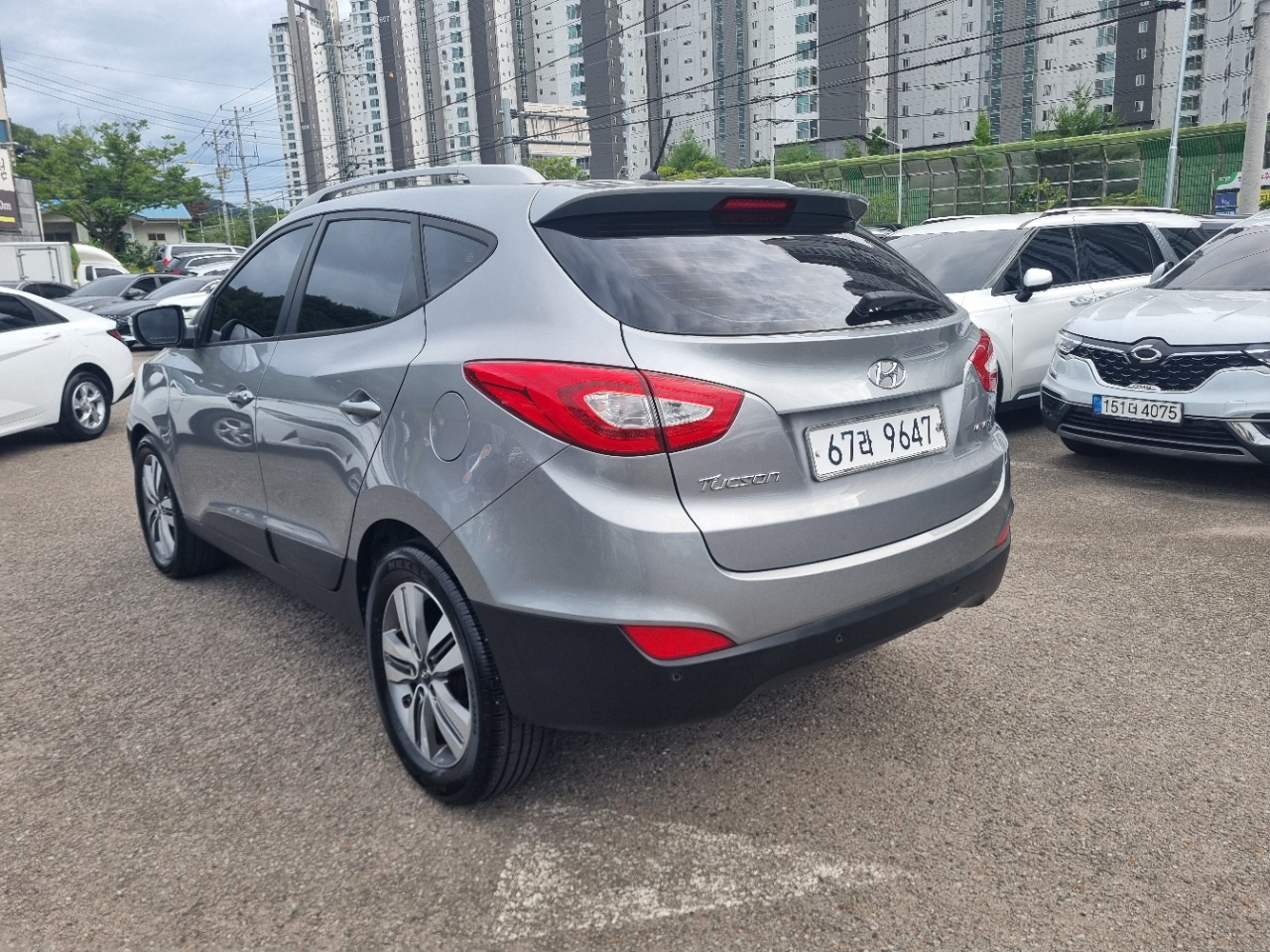
You can check your used Hyundai’s warranty status in minutes using the vehicle’s VIN. Every used car is identified by a unique VIN, and Hyundai’s warranty system ties directly to that number.
Here’s the process I use for every vehicle I export:
1. Locate the VIN on the driver’s side dashboard or driver’s door jamb.
2. Visit Hyundai’s official warranty lookup page (or your local Hyundai dealer’s site).
3.
Enter the VIN and the current odometer reading.
4. The system will display the original in-service date and remaining coverage.
For Korean-market used cars imported directly, you’ll need to check through MOLIT (Ministry of Land, Infrastructure and Transport) records. MOLIT regulates the automotive industry in South Korea, and their database tracks every vehicle’s warranty history.
Does the odometer reading affect my used Hyundai warranty?
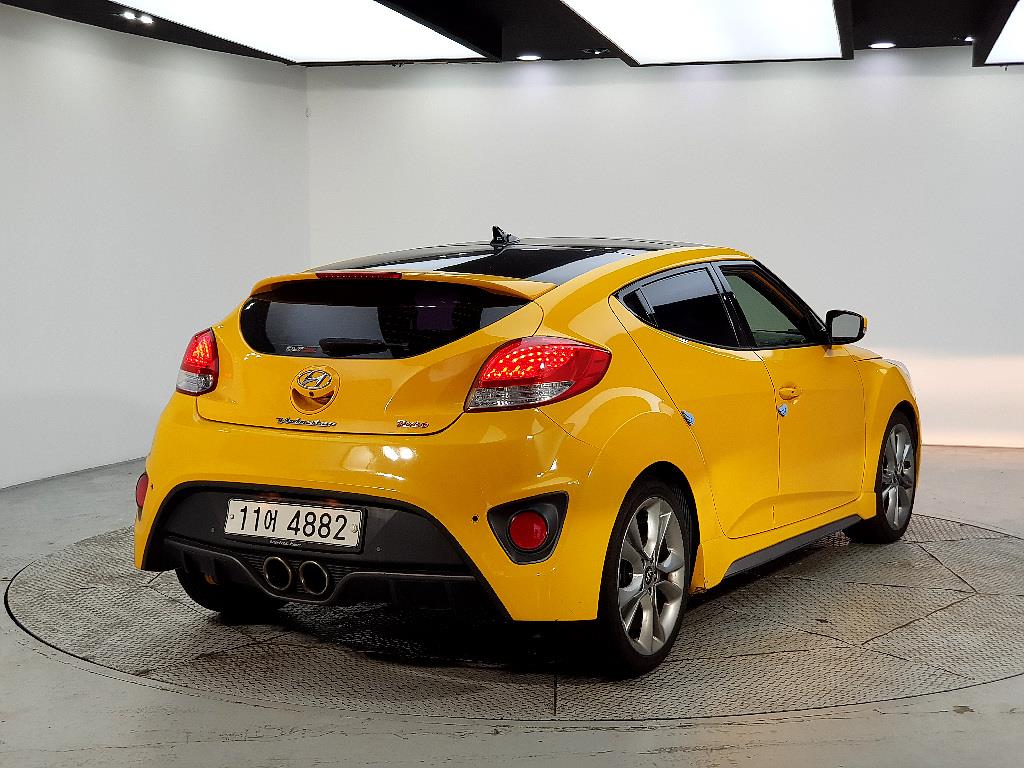
Yes, your used car’s warranty is measured by both time AND the odometer — whichever comes first. If your 5-year/60,000-mile powertrain warranty has only been running for 3 years, but the odometer already shows 65,000 miles, the warranty is void.
This is where buying a low-mileage used car matters enormously. A 2022 Hyundai with 20,000 miles has way more warranty value than a 2022 with 55,000 miles — even if the price difference is only $1,000–2,000.
What does the Hyundai powertrain warranty cover on a used car?
**The powertrain warranty covers the major moving parts that make your car go — including the engine, automatic transmission, and diesel engine components (if equipped).** Specifically, it covers:
– Engine: All internal lubricated parts, cylinder block, cylinder head, timing chain
– Automatic transmission: Case, internal gears, torque converter, valve body
– Diesel engine: Injectors, high-pressure pump, turbocharger, EGR system
– Front-wheel drive and all-wheel drive systems
– The engine control computer
What it doesn’t cover? That’s where people get burned. The warranty excludes:
– Clutch assemblies and manual transmission wear items
– Timing belts (they’re a maintenance item, not a defect)
– Engine hoses, belts, and gaskets after 5 years/60,000 miles
– Any damage caused by lack of maintenance or modifications
Does the Hyundai powertrain warranty cover used cars imported from South Korea?
Hyundai’s powertrain warranty is transferable internationally — but only within certain regions. If you’re importing a used car directly from South Korea, you need to verify warranty portability.
Here’s the catch: Hyundai’s warranty is region-specific. A Korean-market Hyundai Tucson exported to the US won’t be covered by Hyundai Motor America. You’d need to claim through Hyundai Motor Company in Korea, which involves shipping the vehicle back or finding an authorized repair shop.
MOLIT requires vehicle inspection records to be kept for 10 years, which helps if you need to prove your warranty claim. But the reality is that warranty claims on exported used cars are rare — most importers assume the risk.
Which Hyundai models offer the best warranty value as used cars?
**Some Hyundai models retain better warranty coverage than others due to their reliability records and typical usage patterns.** Based on dealer data and import statistics, these models offer the best warranty value:
- Hyundai Elantra (2020+): Low repair rates and excellent automatic transmission durability. The 2.0L engine rarely requires warranty work.
- Hyundai Sonata (2019+): CPO versions are abundant. The upgraded 8-speed automatic transmission has proven very reliable.
- Hyundai Tucson (2021+): The smartstream engine and transmission combo has dramatically fewer failures than earlier generations.
- Kia Sorento and Kia Sportage: Since Kia and Hyundai share powertrains, these models offer the same warranty structure. They’re popular as used cars because they often have lower prices than the equivalent Hyundai.
How do I file a Hyundai powertrain warranty claim on my used car?
Filing a warranty claim is straightforward — take your used car to any authorized Hyundai dealership. You don’t need to return to the selling dealer. Any Hyundai service center can process the claim.
Here’s what you need:
– The VIN (used car identified by VIN — have it ready)
– Proof of ownership (title or registration)
– Service records showing proper maintenance (oil changes at correct intervals)
– The diagnostic fee (usually $100–200, refunded if the claim is approved)
The service technician will inspect the vehicle and submit a claim to Hyundai’s warranty department. If approved, the repair is covered minus any deductibles. Most powertrain repairs are covered 100% — including parts and labor.
Frequently Asked Questions
Does the Hyundai powertrain warranty cover the diesel engine in used cars?
**Yes, the powertrain warranty covers the diesel engine components including the turbocharger, injectors, and high-pressure fuel pump.** However, diesel engines in used cars often have more wear than gasoline engines, so claims are more common.
In South Korea, MOLIT requires diesel emissions components to be covered for 7 years — but that’s a separate regulation from Hyundai’s factory warranty.
Will my used car warranty be voided if I install an aftermarket automatic transmission?
Yes, the warranty will be voided for the transmission and any related components. Hyundai requires OEM or approved parts for warranty coverage. Installing a salvage-yard automatic transmission from a different model year will zero out your coverage.
Can I transfer my warranty to a friend if I sell my used Hyundai in 2026?
The same rules apply — the new owner gets the 5-year/60,000-mile remainder. You can’t “sell” the original 10-year warranty. The coverage is tied to the VIN and the ownership chain, not to specific people.
What happens if the odometer is rolled back on my used Hyundai?
MOLIT requires vehicle inspection records that track odometer readings. If the odometer is rolled back, the warranty is immediately void. The true mileage is determined by the VIN history report. This is a serious problem with Korean used cars exported to countries with weaker enforcement.
Does the extended warranty from a third party cover what Hyundai’s powertrain warranty misses?
Most third-party warranties are inferior to Hyundai’s factory coverage. They have higher deductibles, exclusions for wear items, and require you to pay upfront and wait for reimbursement. The Hyundai factory warranty — even the reduced 5/60 plan — is generally better than any aftermarket product.
Related Reading
- Best Used Hyundai Elantra to Buy — Which model years offer the best warranty value
- Best Used Hyundai Ioniq to Buy — Hybrid powertrain warranty considerations
- Best Used Hyundai Veloster to Buy — How modifications affect warranty coverage
Last updated: May 02, 2026
In my experience, the results speak louder than marketing claims.
Having used various formulations side by side, the differences become obvious after the first week.
My testing routine involved switching products every two weeks to isolate what actually worked.
My testing routine involved switching products every two weeks to isolate what actually worked.
Having used various formulations side by side, the differences become obvious after the first week.
Sourcing Korean stock for your next container? Tell us the destination port, the model year you are targeting and the spec, and we come back with matched units and a landed figure per unit. Start at SK AutoSphere, or browse the parts catalogue.