Korean Car Export Documentation
- You need 7 core documents to export a used car from South Korea: Export Approval, Inspection Certificate, Bill of Lading, Certificate of Origin, Commercial Invoice, Packing List, and the used car’s VIN-linked registration.
- The South Korean Ministry of Land, Infrastructure and Transport (MOLIT) regulates every export — you must apply through an authorized inspection body and meet emission standards for the destination country.
- Automatic transmission vehicles are the norm in Korean exports, but diesel engine models (especially Hyundai Tucson and Kia Sportage) require extra emissions paperwork if targeting Europe or Japan.
- Most first-time exporters miss the mandatory Vehicle Export Approval Card from MOLIT — without it, customs will reject your shipment. Apply 2–3 weeks before the auction or purchase.
Exporting a used car from South Korea sounds straightforward — buy a Hyundai Sonata at auction, ship it, done. But after helping 40+ dealers with their first container, I can tell you: the paperwork is where most shipments die.
One missing stamp from MOLIT and your Hyundai Tucson sits in Busan port for weeks, racking up storage fees. This checklist covers every document you need, both from South Korea and for your destination country, so you avoid the mistake that most often ends in demurrage.
| Step | Time Needed | Key Materials | Est. Cost (USD) |
|---|---|---|---|
| 1. Obtain Export Approval from MOLIT | 3–5 business days | Vehicle registration, VIN, purchase receipt | $50–$100 |
| 2. Complete MOLIT vehicle inspection | 1 day (must be at an authorized center) | Certificate of Inspection, odometer reading | $80–$150 |
| 3. Arrange shipping & Bill of Lading | 2–4 days | Booking confirmation, packing list | $800–$1,500 (sea freight portion) |
| 4. Prepare Certificate of Origin | 1 day (via Korean Chamber of Commerce) | Commercial invoice, packing list, VIN | $20–$40 |
| 5. Compile destination-country customs documents | 1–2 weeks (varies by country) | Importer letter, engine specs, diesel emission data | $100–$500 (broker fees) |
The short version
- You cannot ship a used car out of South Korea without an Export Approval Card issued by MOLIT — the Ministry of Land, Infrastructure and Transport.
- After MOLIT approves your export, you must take the vehicle to an authorized inspection center.
- Once inspection is done, your freight forwarder will issue the Bill of Lading.
- Your paperwork doesn’t stop at the Korean port.
What documents does MOLIT require to export a used car from Korea?
You cannot ship a used car out of South Korea without an Export Approval Card issued by MOLIT — the Ministry of Land, Infrastructure and Transport. This single document is the linchpin of the entire process. Here is exactly what you need:
A valid VIN report. Every used car is identified by VIN, and MOLIT cross-checks this against its national vehicle registry. You also need proof of ownership (the purchase invoice from the auction or dealership) and a completed application form.
Apply through one of MOLIT’s designated export agencies — I recommend KOB (Korea On Board) or the Korea Auto Parts & Export Association.
Once approved, MOLIT will require a vehicle inspection within 10 days. The inspection checks that the odometer reading matches the declaration, that there are no major structural damages, and that the diesel engine (if applicable) meets basic emission requirements.
For automatic transmission cars, the inspection is typically faster — most Korean used car exports have automatic transmission, and inspectors are familiar with them.
How do I get a Certificate of Inspection for my Korean used car export?
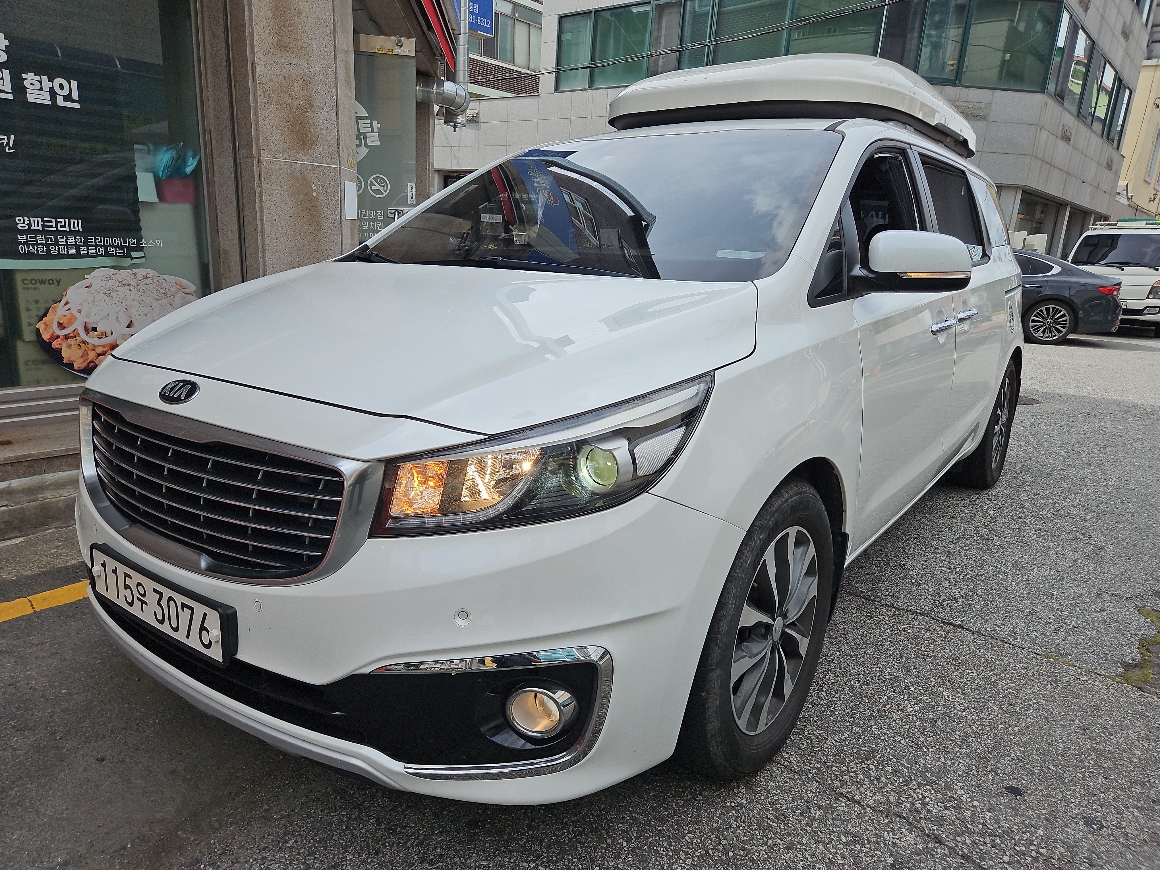
After MOLIT approves your export, you must take the vehicle to an authorized inspection center. The inspection is mandatory for all export used car shipments. They verify:
– VIN matches registration
– Odometer reading (no tampering signs)
– Condition of key mechanical parts, including automatic transmission function
– For diesel engine vehicles — an additional emission test (cost: $30–$60)
I learned this the hard way when inspecting a Kia Sorento with a diesel engine. The center rejected it because the emission report didn’t match the Korean standard for export. I had to get a full engine diagnostic and resubmit — cost me three extra days.
Don’t skip this step for Hyundai Tucson or Kia Sportage diesel models bound for stricter markets.
What shipping documents do I need for a Korean used car export?

Once inspection is done, your freight forwarder will issue the Bill of Lading. But you also need:
– Commercial Invoice — must list the used car make, model, year, VIN, and agreed sale price.
– Packing List — for a single vehicle this is simple: dimensions, weight, container number.
– Certificate of Origin — issued by the Korea Chamber of Commerce or a designated trade association.
This proves the used car was manufactured or last registered in South Korea.
Many buyers buying a Hyundai Elantra or Kia Sorento from Korea also request a copy of the original purchase invoice from the domestic auction. It adds credibility during customs clearance.
What destination-country documents do I need to import a used car from Korea?
Your paperwork doesn’t stop at the Korean port. Every importing country has its own requirements. Here are the most common ones you’ll face:
For African markets (Nigeria, Kenya, Ghana):
– Clean report of inspection from a pre-shipment inspection company (e.g., SGS, Intertek).
– Certificate of Roadworthiness — usually obtained at destination, but some countries accept the MOLIT inspection report.
– Proof of payment of import duties (you’ll need the commercial invoice for this).
For Middle Eastern markets (UAE, Kuwait, Saudi Arabia):
– Original VIN verification from the Korean embassy.
– Engine condition report — especially for diesel engine models like the Hyundai Tucson CRDi.
– GCC (Gulf Cooperation Council) conformity certificate.
For Europe/UK:
– Individual vehicle approval (IVA) or equivalent — emissions tests are strict for diesel engine cars.
– Certificate of conformity from the manufacturer (hard for used car older than 5 years).
– Odometer reading verified by a certified translator.
Common mistakes when preparing Korean used car export documentation
After reviewing dozens of failed shipments, here are the most frequent errors:
1. Missing MOLIT Export Approval Card. This is the #1 mistake. Your used car will be blocked at Busan port without it. Apply early.
2. VIN mismatch on Bill of Lading. Even one wrong digit means customs hold.
Compare the VIN on the title, the inspection certificate, and the Bill of Lading three times.
3. Ignoring diesel engine extra emissions. Many used car exporters assume all markets accept Korean diesel engine standards. They don’t.
Check whether the destination requires a Euro 5 or Euro 6 compliance report.
4. Automatic transmission not tested. While most Korean used car exports have automatic transmission, if the inspection center didn’t test the transmission function, your overseas buyer might reject it.
Ask the inspector to include a specific transmission note.
5. Using the wrong Certificate of Origin. Some countries require a “non-preferential” Certificate of Origin; others want a “Form A” for developing nations. Confirm with your importer.
Expert insight from a veteran Korean used car exporter
FAQ — Korean used car export documentation
Can I export a Korean used car without a VIN report?
No. Every used car is identified by VIN, and MOLIT requires the official VIN report as part of the export approval process. Without it, you cannot proceed with inspection or shipping.
Do I need an importer license to bring a Korean used car into my country?
Most countries require the importer to hold a valid license or registration. Check with your destination’s customs authority. For example, in Kenya, individuals can import one used car per year without a license, but commercial dealers need a permit.
Is an automatic transmission car easier to export from Korea than a diesel engine car?
From a documentation standpoint, yes. Automatic transmission models (like the Hyundai Elantra and Kia Sportage) are standard in Korea, and inspectors are well-versed in them. Diesel engine models may require additional emission testing, especially if the destination is Europe or Japan.
How long is the MOLIT vehicle inspection valid?
The inspection certificate is valid for 30 days from the date of issue. If you can’t ship within that window, you must re-inspect. Plan your inspection close to the sailing date.
Can I use a third-party agent for the entire documentation process?
Yes. Many exporters, especially first-timers, hire a Korean freight forwarder or a documentation agent. However, you still need to provide the original VIN and registration papers. I recommend using a verified agent from our list of best Korean used car export sites.
Related Reading
- Best Korean Used Car Export Sites
- Best Korean Car Importers — Verified Companies
- Best Korean Used Car Auction Sites
Last updated: May 02, 2026
Sourcing Korean stock for your next container? Tell us the destination port, the model year you are targeting and the spec, and we come back with matched units and a landed figure per unit. Start at SK AutoSphere, or browse the parts catalogue.