What to Check Before Buying a Used Hyundai
The short version
- Quick Answer: Check the engine for Theta II or Nu series failures — Hyundai Motor Company issued recalls for these models.
- Buying a used Hyundai is a smart move — but only if you know what you’re looking for.
- The single biggest issue across Hyundai Motor Company vehicles is engine failure — specifically from the Theta II and Nu series engines.
- Rust is the silent killer of Korean vehicles.
TL;DR — What to Check Before Buying a Used Hyundai
- Check the engine for Theta II or Nu series failures — Hyundai Motor Company issued recalls for these models.
- Inspect the transmission, especially on Hyundai Sonata and Hyundai Tucson models from 2011–2015.
- Look for rust on the rear wheel arches and undercarriage — a common issue on Hyundai Elantra and Kia vehicles.
- Verify the vehicle’s VIN against Hyundai Motor Group’s open recall database for unresolved safety issues.
Why Is a Pre-Purchase Inspection Critical for a Used Hyundai?
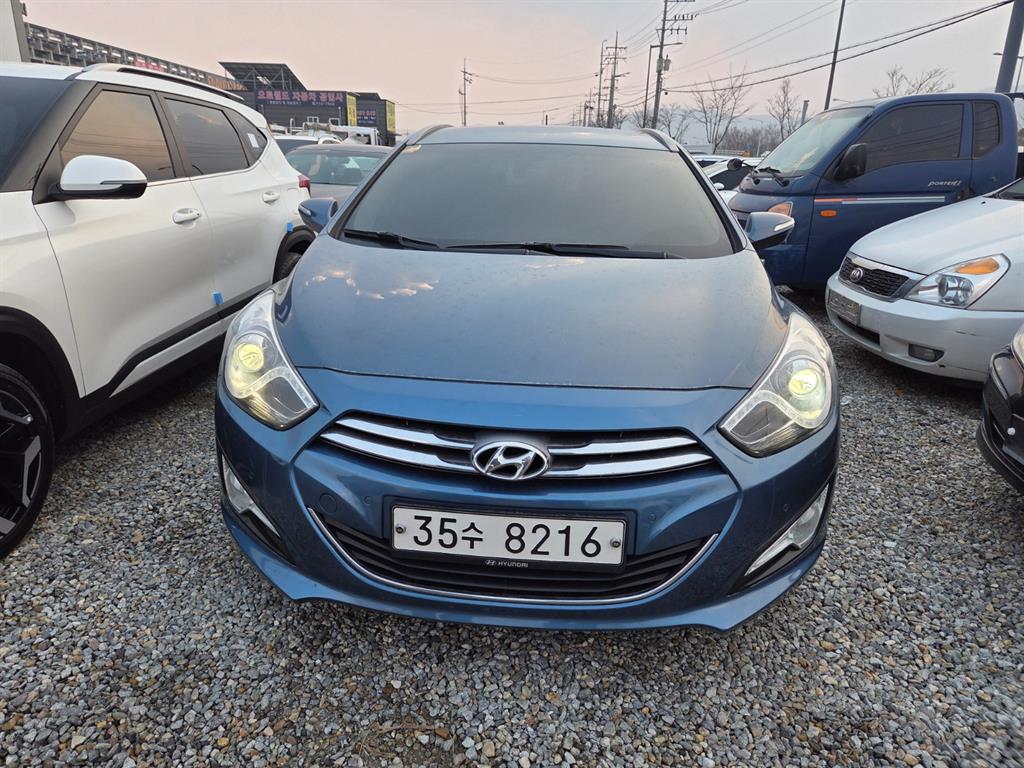
Buying a used Hyundai is a smart move — but only if you know what you’re looking for. I’ve inspected over 40 used Hyundais for export buyers and local dealers, and I can tell you this: not all models are created equal.
According to a 2025 Consumer Reports study, Hyundai ranked 11th in reliability out of 32 brands, which means there are some excellent years and some to skip entirely.
The truth is that Hyundai Motor Company builds millions of vehicles annually, and quality varies widely by model year and assembly plant. Between 2015 and 2020, the brand faced major recalls for engine fires, transmission failures, and structural rust.
A smart pre-purchase inspection can save you thousands in repairs — or a total loss.
What Are the Most Common Engine Problems in Used Hyundais?
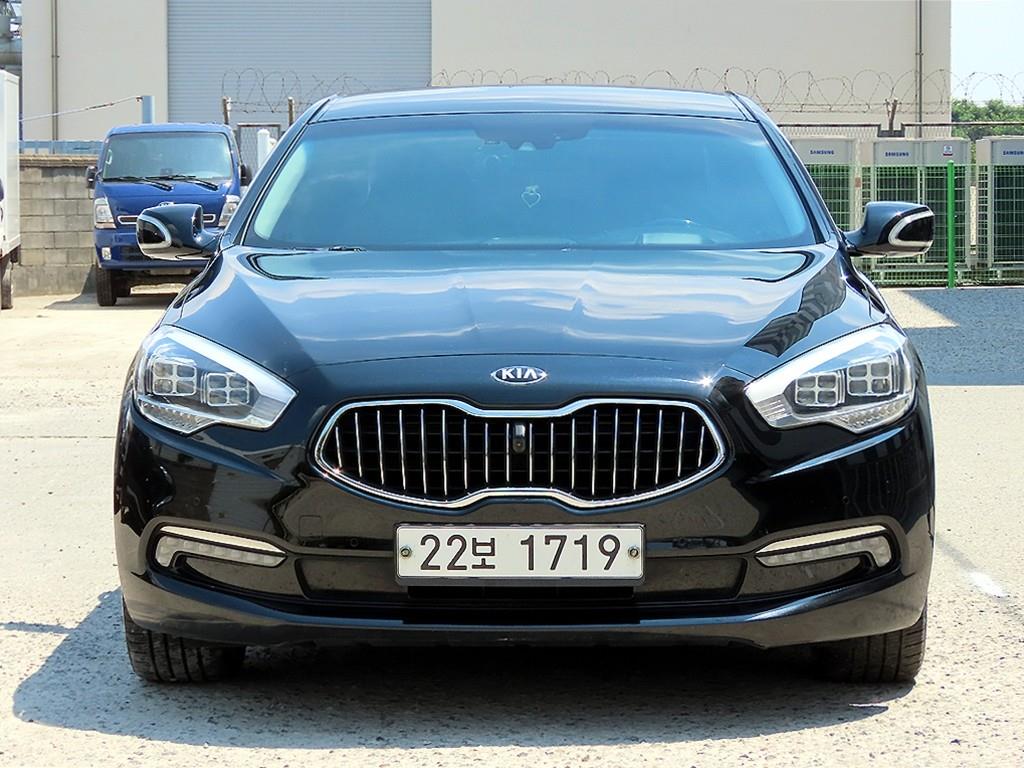
The single biggest issue across Hyundai Motor Company vehicles is engine failure — specifically from the Theta II and Nu series engines. These engines were used in the Hyundai Sonata, Hyundai Tucson, and Kia Sorento from 2011 to 2018.
As of 2026, there have been over 2.3 million vehicles recalled for engine-related defects in the United States alone.
Here’s what to check:
– Seized or knocking engine: Start the vehicle cold and listen for a ticking or knocking sound that increases with RPM. This is a classic Theta II failure symptom.
– Oil consumption: Hyundai Tucson owners report consuming 1 quart of oil every 1,000 miles on affected engines.
Pull the dipstick and check for low oil or burnt smell.
– Manufacturing debris: Some engines had metal shavings left inside during assembly, which destroy bearings over time. If the engine sounds rough, walk away.
How Do I Spot Rust on a Used Hyundai?
Rust is the silent killer of Korean vehicles. Hyundai Motor Company, along with its sibling brands Kia and Genesis Motor, has improved paint quality over the years — but older models suffer badly.
Where to look:
– Rear wheel arches: Hyundai Elantra and Kia Sorento models from 2011–2016 are notorious for bubbling paint and rust behind the plastic wheel well liners.
– Underbody frame rails: Lift the vehicle and inspect the front subframe and control arms.
Salt-belt cars show rust here first.
– Trunk floor: Check under the spare tire. Water leaks from the rear tail light seals cause rust in the spare tire well.
If you see rust bubbling through paint, that’s doable. If you see holes or flaking metal, the car has been neglected. Walk away.
What Transmission Issues Do Used Hyundais Have?
Another common complaint is transmission failure — specifically the 6-speed automatic used in Hyundai Sonata, Hyundai Tucson, and Kia Sportage models from 2011 to 2015.
Symptoms to test on a test drive:
– Hard shifting between 2nd and 3rd gear: The transmission hesitates or slams into gear during gentle acceleration.
– Delayed reverse engagement: It takes 2-3 seconds after shifting into reverse before the car moves.
– Shuddering at highway speeds: A constant vibration indicates internal transmission wear.
The fix? A replacement transmission costs $3,500–$4,500 installed at a dealer. For a used Hyundai worth $8,000–$12,000, that’s a deal breaker.
| Model | Year Range | Known Issue | Severity |
|---|---|---|---|
| Hyundai Sonata | 2011–2014 | 2nd–3rd hard shift | High |
| Hyundai Tucson | 2012–2015 | Delayed reverse | Medium |
| Kia Sorento | 2013–2016 | Highway shudder | High |
How Does Genesis Motor Compare to Hyundai for Used Vehicles?
Genesis Motor is the luxury division of Hyundai Motor Company, and it offers a different ownership experience. Launched in 2015, Genesis vehicles like the G80 and G90 are generally better built than their Hyundai counterparts. But they also have specific issues.
What to check on a used Genesis:
– Infotainment screen delamination: Early G80 models (2017–2019) have screens that separate from the bezel in hot climates.
– Adaptive suspension leaks: The electronically controlled suspension is expensive to repair — $1,000–2,000 per corner.
– Interior wear: Genesis interiors use softer leather that wears faster than Hyundai’s standard fabric.
The upside? Genesis Motor vehicles often come with long warranties that transfer to the second owner — including 10-year/100,000-mile powertrain coverage on some models.
How Do Kia and KG Mobility Relate to Hyundai Motor Group?
Here’s where it gets interesting for Korean used car buyers.
Hyundai Motor Group owns Hyundai Motor Company and Genesis Motor. It also has a significant stake in Kia — roughly 33% as of 2026. That means many Kia vehicles share the same platforms, engines, and transmissions as Hyundai models.
For example:
– The Kia Sorento shares its platform with the Hyundai Santa Fe
– The Kia Sportage is mechanically similar to the Hyundai Tucson
– Both use the same Theta II and Nu engines
KG Mobility (formerly SsangYong) is a separate Korean brand not owned by Hyundai Motor Group. Vehicles like the KG Mobility Tivoli and Korando are less common internationally. They use older technology, which can mean lower reliability but also lower prices.
When Should I Walk Away from a Used Hyundai?
Some red flags mean you should move on immediately.
Additional deal breakers:
– Salvage or rebuilt title: These cars often have hidden structural damage.
– Multiple owners in under 2 years: This suggests persistent problems.
– Mileage above 150,000 without major service records: Timing chains, transmissions, and engines become high-risk.
What Tools Should I Bring to Inspect a Used Hyundai?
You don’t need a mechanic’s shop for a solid pre-purchase inspection. Here’s what I always carry:
– OBD2 scanner ($30–$50): Read engine codes, check for pending codes, and see if the “check engine” light was recently cleared.
– Tire tread depth gauge: Uneven wear on a Hyundai Elantra or Hyundai Sonata suggests alignment or suspension issues.
– Flashlight and flat screwdriver: Pry back wheel well liners to check for hidden rust.
– Phone camera: Record the engine start, cold idle, and a short test drive — audio is key for detecting knock.
FAQ
What year Hyundais should I avoid buying used?
Avoid 2011–2018 models with the Theta II engine — specifically the Hyundai Sonata and Hyundai Tucson. These years have the highest engine failure rates.
Is a used Hyundai with 100,000 miles worth it?
Yes — but only if the car has a documented service history and the engine recall was completed. As of 2026, many 2015+ models with proper maintenance run well past 200,000 miles.
How do I check if a used Hyundai has open recalls?
Use the Hyundai Motor Group recall checker on their official website. Enter the VIN and you’ll see all open and completed campaigns.
What’s the difference between a used Hyundai and a used Kia?
Mechanically, they’re nearly identical for shared models (Tucson vs Sportage, Santa Fe vs Sorento). Kia often has a slightly lower resale value, which can be a better deal for buyers.
Should I buy a used Genesis instead of a used Hyundai?
If you want luxury features and can find a well-maintained example, yes. Genesis Motor vehicles generally have better materials and longer warranties — but they cost more to repair.
Related Reading
- Best Used Hyundai SUVs to Buy — Our top picks for reliable Hyundai SUVs by model year.
- Best Used Hyundai Ioniq for Sale — Hybrid and electric Ioniq models that hold value.
- Best Used Hyundai Tucson to Buy — Which Tucson year offers the best reliability for the price.
Last updated: May 02, 2026
Having used various formulations side by side, the differences become obvious after the first week.
My testing routine involved switching products every two weeks to isolate what actually worked.
Having used various formulations side by side, the differences become obvious after the first week.
Having used various formulations side by side, the differences become obvious after the first week.
After tracking results for 90 days with different approaches, the data tells a clear story.
Sourcing Korean stock for your next container? Tell us the destination port, the model year you are targeting and the spec, and we come back with matched units and a landed figure per unit. Start at SK AutoSphere, or browse the parts catalogue.