How Many Korean Vehicles Fit in a Container, and How They Should Be Secured
Container density is the largest single lever on per-unit landed cost for a small-volume importer.
The container costs what it costs whether it carries two vehicles or four, so the difference between a poorly planned load and a well planned one is a large percentage of the freight bill on every unit inside.
It is also the place where the most avoidable damage happens.
The short version
- A standard 40-foot high cube gives roughly 12 metres of internal length, about 2.35 metres of internal width and about 2.69 metres of internal height.
- Compact SUVs — Hyundai Tucson NX4, Kia Sportage NQ5.
- Wooden bracing and blocking. Timber cut to fit, wedged against the wheels and the container walls.
- Every unit should be prepared before stuffing, and each item on this list exists because it has gone wrong: Fuel drained to a low level.
The boxes you are working with
A standard 40-foot high cube gives roughly 12 metres of internal length, about 2.35 metres of internal width and about 2.69 metres of internal height. A standard 40-foot gives the same length and width with about 2.39 metres of height. A 20-foot gives roughly 5.9 metres of length.
The height difference between a standard 40-foot and a high cube is what makes racked or stacked loading possible, which is why the high cube is the default for vehicle consolidation.
The door opening is narrower and lower than the internal dimensions, and it is the door opening — not the internal space — that determines what can physically go in.
Realistic capacities for Korean stock
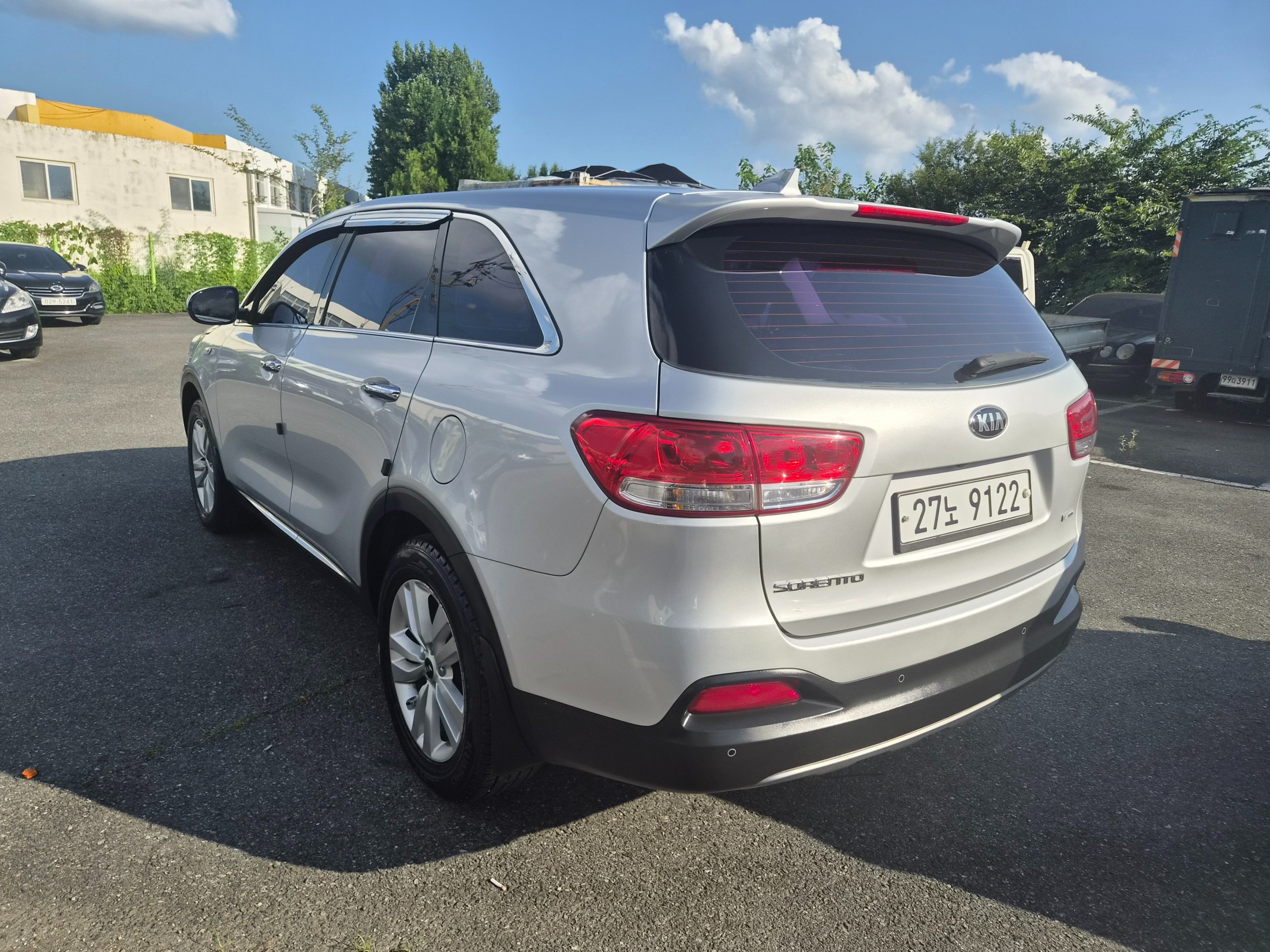
Compact SUVs — Hyundai Tucson NX4, Kia Sportage NQ5. Around 4.5 metres long, roughly 1.65 metres tall. Loaded flat, nose to tail, a 40-foot high cube takes two comfortably.
With a racking system that lifts one unit at an angle over another, three is achievable, and four is possible with a purpose-built rack on smaller vehicles.
Midsize SUVs — Hyundai Santa Fe TM, Kia Sorento MQ4. Around 4.8 metres. Two flat in a 40-foot high cube; three needs proper racking and careful planning.
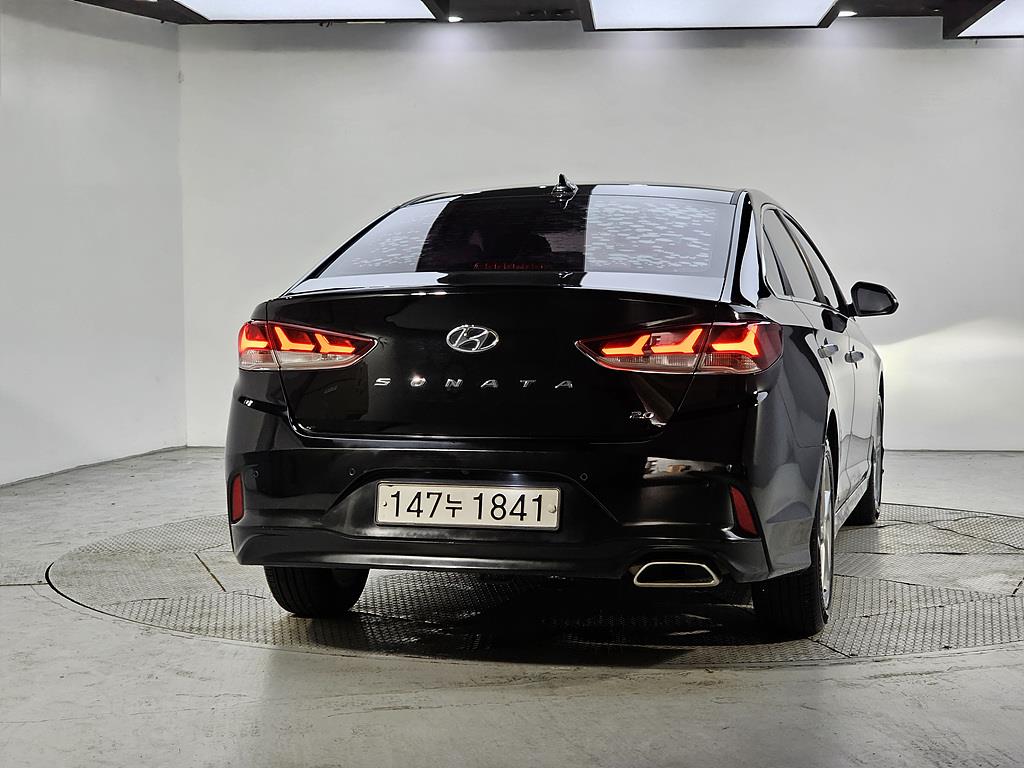
Sedans and hatchbacks — Hyundai Avante, Kia K5, Kia Morning. Shorter and lower, so the best density candidates. Four in a 40-foot high cube with racking is realistic on the smaller models.
Vans and minibuses — Hyundai Grand Starex, Kia Carnival KA4. Tall. Height is the binding constraint rather than length, and racking is often not possible. Two flat.
Light trucks — Hyundai Porter, Kia Bongo. A cab-and-bed unit is awkward. Height and the bed structure limit options, and mixing them with cars in the same box rarely works well.
The general rule: mixing body types reduces density. A container of four similar sedans loads better than a container of a sedan, an SUV, a van and a pickup, because racking systems depend on predictable dimensions.
Securing methods, from worst to best
Wooden bracing and blocking. Timber cut to fit, wedged against the wheels and the container walls. Cheap, widely used, and adequate when done well by someone experienced. Done badly — and it frequently is — the vehicle moves in transit, the timber shifts, and panels contact the container wall.
Lashing straps to container D-rings. Straps over the wheels or through the wheels to the securing points. Better than timber alone. The failure mode is straps applied to the body or suspension rather than the wheel, which damages what it is meant to protect.
Wheel chocks with strapping. The standard approach for good operators: chocks fore and aft of each wheel, straps over the tyres to the floor rings, suspension left loaded.
Purpose-built racking systems. Steel frames that lift one vehicle above another at an angle. The highest density and, done properly, the best protection, because each unit is on a frame rather than resting against timber. The cost of the racking is a packing cost and belongs in the customs value.
Preparation before the vehicle goes in
Every unit should be prepared before stuffing, and each item on this list exists because it has gone wrong:
- Fuel drained to a low level. Carriers restrict fuel quantity, and a full tank is both a safety issue and a weight issue.
- Battery disconnected or removed, per the carrier’s requirement.
- Alarm disabled. A vehicle alarm sounding inside a sealed container for weeks flattens the battery and, on some vessels, gets the container opened.
- Personal effects removed entirely. Items left in a vehicle are undeclared goods. Customs administrations treat them as such, and the consequences range from a delay to a seizure of the vehicle.
- Loose items secured or removed — floor mats, parcel shelf, spare wheel tools.
- Mirrors folded, aerial removed where possible.
- Handbrake released, transmission in neutral, wheels chocked for the securing to work as designed.
- Condition photographed against the chassis number, dated, before the doors close.
The photograph set is the claim file
That last point deserves emphasis because it is what makes a damage claim payable.
Photographs taken at the Korean yard, before stuffing, showing each panel, the wheels, the interior and the odometer, timestamped and identifiable to the chassis, are the evidence that the damage found at the destination happened in transit.
Without them, an underwriter’s reasonable position is that the damage may have pre-existed, and a claim on cosmetic damage to a used vehicle is very hard to sustain.
Make the photograph set a condition of loading in the agreement with the consolidator, and require them per chassis rather than per container.
What to require from a consolidator, in writing
- Number of units and their identities — chassis numbers, in the container.
- The securing method to be used, named.
- Pre-stuffing photographs per chassis, delivered before the container is sealed.
- Confirmation that each unit’s export deregistration certificate and any required pre-shipment inspection certificate is in hand before loading. One uncertified unit holds the whole container.
- The seal number, recorded and communicated.
- A packing list matching the bill of lading, chassis by chassis.
Consolidation done properly turns several unviable single-unit lanes into one viable programme. Consolidation done casually puts four importers’ vehicles in one box with one set of problems, and the importer who did everything right shares the delay with the one who did not.
Sourcing Korean stock for your next container? Tell us the destination port, the model year you are targeting and the spec, and we come back with matched units and a landed figure per unit. Start at SK AutoSphere, or browse the parts catalogue.