Kia Sportage Years to Avoid
- Worst years to avoid: 2000–2001, 2011–2013, 2014, and 2017 — these have the highest NHTSA complaints and engine/transmission failures.
- Main problem: The Theta II 2.4L GDI engine (made by Hyundai Motor Company) fails around 80,000–90,000 miles; repair costs exceed $4,000–6,000.
- Safer bets: 2007 (J.D. Power 83/100), 2018–2020, and 2021+ models — far fewer complaints and better reliability scores.
- Warning: Even newer 2022+ fifth-gen Sportage has a recall for electric oil pump fire risk (NHTSA #23V-458). Always check service history.
So you’ve heard the Kia Sportage is a great compact SUV. It’s stylish, affordable, and packed with features. But here’s the cold truth: some model years are ticking time bombs.
As of 2026, used Sportages crowd the market. Many are cheap for a reason. I’ve dug through NHTSA data, CarComplaints records, and owner forums. The pattern is clear. Certain years will cost you thousands in repairs — or leave you stranded.
I’ll walk you through exactly which years to avoid, why they fail, and how to spot a lemon before you buy. Whether you’re an individual buyer or a B2B dealer importing Korean used cars, this guide saves you money and headaches.
| Year Range | Common Issue | NHTSA Complaints | Typical Repair Cost |
|---|---|---|---|
| 2000–2001 | Engine cooling / overheating | 350 (2001) | $1,500–$3,000 |
| 2011–2013 | Theta II engine failure, oil consumption | ~120 per year | $4,000–6,000+ |
| 2014 | Engine stalling, knocking | 111 (51 engine) | $4,000–6,000+ |
| 2017 | Oil consumption, transmission slipping | 59 CarComplaints | $4,000–$6,000 |
The short version
- The years to avoid are 2000, 2001, 2011–2013, 2014, and 2017.
- The primary engine problem is the 2.4L Theta II GDI engine manufactured by Hyundai Motor Company.
- Check for three things: the engine serial number, recall/warranty records, and a Carfax report.
- Yes, hybrid and diesel Sportages avoid the problematic 2.4L Theta II engine.
Which Kia Sportage years should you avoid?
The years to avoid are 2000, 2001, 2011–2013, 2014, and 2017. These model years racked up the most complaints and recalls according to NHTSA, CarComplaints, and J.D. Power. The problems aren’t limited to one generation — they span the first, third, and fourth generations.
Hyundai Motor Company (which partially owns Kia through Hyundai Motor Group) designed the problematic Theta II engine. That same engine also plagues the Kia Sorento, Hyundai Sonata, and Hyundai Tucson of similar years. If you’re shopping Korean used cars, you need to know this pattern.
Why is the 2011–2013 Kia Sportage so problematic?
The 2011–2013 Sportage suffers from Theta II engine failures that often occur around 80,000 miles. The 2.4L GDI engine (code G4KJ) has a known defect: machining debris blocks oil passages, leading to rod bearing failure. The engine can stall without warning.
KAMA (Kia America) issued a product improvement campaign but not a full recall for all vehicles. Owners report ticking noises, then sudden shutdown. RepairPal gives the 2012 Sportage a 2.5/5 reliability score. CarComplaints lists 49 complaints for 2012, mostly engine-related.
Should you avoid the 2017 Kia Sportage?
Yes, the 2017 Kia Sportage is a year to avoid due to oil consumption and transmission slipping. Despite being part of the fourth generation (which later improved), the 2017 model suffers from excessive oil consumption (some owners report a quart every 1,000 miles) and transmission shuddering.
The 2.4L Theta II engine is again the culprit. NHTSA logged 59 complaints on CarComplaints for 2017, with many citing engine failure at 90,000 miles. Repair costs exceed $4,000–6,000.
Kia extended the warranty on this engine to 120,000 miles under a class action settlement, but that warranty only applies if you have proof of regular oil changes.
However, there’s a twist. Later 2017 builds (after July 2017) received updated piston rings. If you can verify the build date, it’s slightly safer — but I’d still skip it.
What about the 2014–2016 Kia Sportage?
The 2014 model is problematic, but 2015–2016 are marginally better. The 2014 Sportage has 111 NHTSA complaints, 51 engine-related. Owners report stalling, knocking, and complete engine failure. The 2015 and 2016 models saw fewer complaints, but they still use the same Theta II engine.
The difference is that Kia introduced a revised engine control unit (ECU) update in 2015 that reduced stall risks. But the fundamental defect remains. If you’re considering a 2015–2016, check for the recall campaign “SC132” (engine inspection and replacement if needed).
What engine problems do Kia Sportage models have?
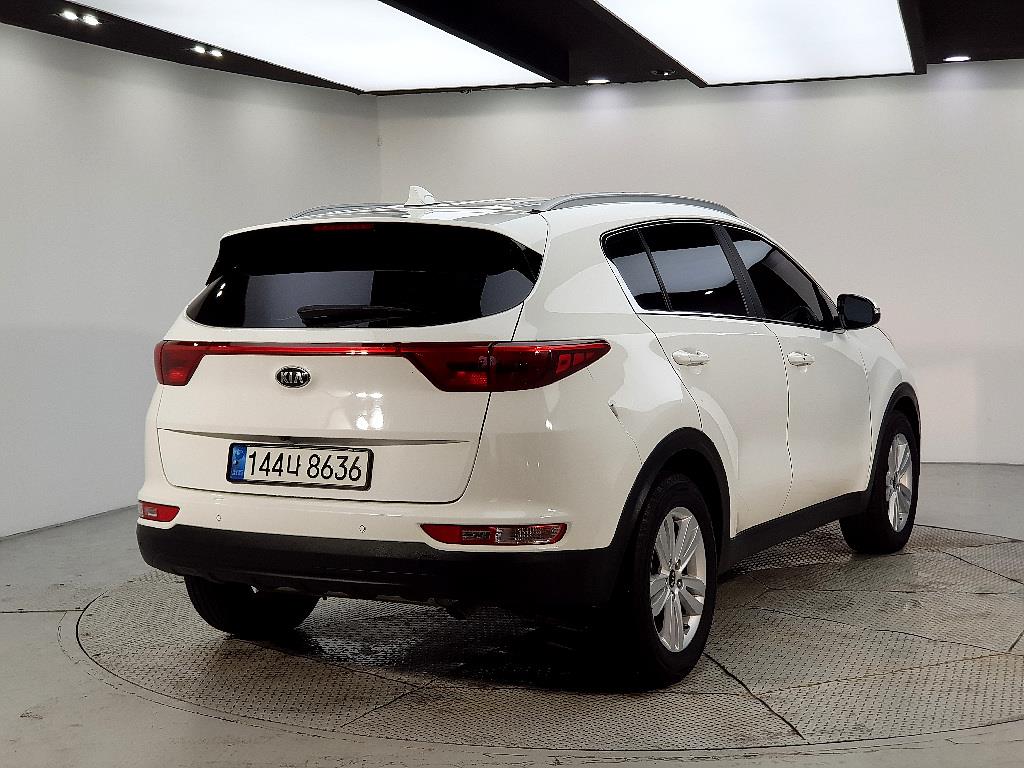
The primary engine problem is the 2.4L Theta II GDI engine manufactured by Hyundai Motor Company. This engine is prone to oil sludge, rod bearing failure, and sudden catastrophic failure. It affects the Kia Sportage, Kia Sorento, Hyundai Sonata, and Hyundai Tucson.
The failure rate is highest between 80,000 and 90,000 miles. The repair cost for a new engine ranges from $5,000 to $7,000. Even after replacement, the replacement engine may still be a Theta II — not an upgraded unit.
Hyundai Motor Group faced multiple class-action lawsuits over this engine. The resulting settlement extended the warranty to 120,000 miles for engine failure due to bearing wear. But the warranty is conditional: you must prove all oil changes were done on time.
How can you verify if a used Kia Sportage has had its engine replaced?
Check for three things: the engine serial number, recall/warranty records, and a Carfax report. Here’s a step-by-step process:
1. Ask for the engine serial number. If the engine was replaced under warranty, Kia stamps a new serial number. You can confirm with a Kia dealer (KAMA dealerships can check the VIN history).
2. Look for the SC132 recall sticker. If the engine was inspected under the knock detection recall, a sticker should be on the door jamb or under the hood.
3. Get a Carfax report. Look for notes like “engine replaced” or “short block replaced.” Also check for consistent oil change records — without them, the extended warranty is void.
4. Check the oil filler cap. If it’s extremely clean, the engine may have been replaced recently. If it’s sludgy, walk away.
Are Kia Sportage hybrids or diesel models safer to buy?
Yes, hybrid and diesel Sportages avoid the problematic 2.4L Theta II engine. The Kia Sportage Hybrid (available since 2023 in some markets) uses a 1.6L turbocharged four-cylinder with a hybrid powertrain. This engine has a much better reliability track record.
Diesel Sportages (common in European and Asian markets) use the 1.7L or 2.0L CRDi engines, also from Hyundai Motor Group. These diesels have fewer complaints, but they have their own issues — DPF clogging and injector failures.
The Hyundai Tucson and Hyundai Elantra hybrids share similar powertrains, and both have decent reliability.
But note: electric vehicle versions (Kia EV6) are unrelated to the Sportage, though the fifth-gen Sportage has an HEV/PHEV option. As of 2026, there aren’t enough long-term data to declare the hybrids bulletproof, but early reports are positive.
What is the best year for a used Kia Sportage?
The best used Kia Sportage years are 2007, 2018–2020, and 2021+. These years have the fewest complaints and highest reliability scores.
– 2007: J.D. Power 83/100, RepairPal 4/5, 10-year costs $6,000–10,000. This is the last year before the Theta II engine. It uses a 2.0L Beta II or 2.7L V6 — both bulletproof.
– 2018–2020: Kia addressed many Theta II issues with updated pistons and bearings. Complaints dropped sharply.
The 2019 model has only 12 NHTSA complaints total.
– 2021 and later: The fifth-gen Sportage launched in 2022. It has a new Smartstream engine (1.6L turbo) and improved reliability. However, be aware of the 2022–2023 recall for electric oil pump fire risk (NHTSA #23V-458).
FAQ
What mileage do Kia Sportage problems start?
Engine issues typically start between 80,000 and 90,000 miles. Transmission problems (slipping) appear around 60,000–70,000 miles on the 2017 model. Always budget for a pre-purchase inspection at those thresholds.
Does the Kia warranty cover engine failure?
Yes, but with conditions. The Theta II engine warranty was extended to 120,000 miles (or 15 years from original sale) for model years 2011–2019. You must show proof of all oil changes. If you’re the second owner, you can still qualify — but Kia may be strict.
Is the 2019 Kia Sportage reliable?
Yes, the 2019 Kia Sportage is one of the most reliable years. It has very few NHTSA complaints (12 total as of 2024). The engine was updated, and transmission issues are rare. It’s a top pick for a used Sportage.
Should I buy a 2023 Kia Sportage?
The 2023 Sportage is generally reliable, but check for the oil pump recall. NHTSA recall #23V-458 affects 2022–2023 models with the 2.5L engine. The fix is free at a Kia dealer. Other than that, the 2023 is a solid choice.
Are there any years with transmission recalls?
Yes, the 2017 Sportage has a known transmission issue (slipping). There is no official recall, but Kia issued a technical service bulletin (TSB #17-01-021) for reprogramming the transmission control module. If you own a 2017, ask your dealer about this update.
Related Reading
– Best Years for Used Kia Sportage
– Best Used Kia Sportage to Buy
– Best Used Kia Sportage Hybrid to Buy
Last updated: May 02, 2026
Sourcing Korean stock for your next container? Tell us the destination port, the model year you are targeting and the spec, and we come back with matched units and a landed figure per unit. Start at SK AutoSphere, or browse the parts catalogue.