Korean Car Insurance Costs — What to Expect
- Annual insurance costs for Korean used cars range from $400–800 to over $1,000–2,500 depending on the brand, model, and your driving profile.
- Standard models from Hyundai Motor Company and Kia (like the Hyundai Sonata or Kia Sorento) are generally affordable to insure, averaging $800–$1,200/year.
- Luxury models from Genesis Motor cost significantly more — expect $1,200–$1,800/year due to higher repair costs.
- Budget-friendly options from KG Mobility can be the cheapest to insure, starting around $400–800/year.
One of the biggest shocks new owners face isn’t the import fee — it’s the insurance premium. You found a great deal on a used Hyundai Tucson. You budgeted for shipping and taxes. Then the quote comes in and your plan falls apart.
It doesn’t have to be a surprise.
As of 2026, I’ve run the numbers on hundreds of import scenarios. Hyundai Motor Group, which owns Hyundai Motor Company, Kia, and Genesis Motor, builds cars that fit wildly different insurance brackets. KG Mobility adds another layer of variety with its budget-friendly lineup.
The truth is, insuring a Korean used car isn’t a guessing game — it’s a calculation. And I’m going to walk you through every variable so you can budget accurately before you buy.
| Brand | Avg Annual Premium (USD) | Example Model | Key Cost Driver |
|---|---|---|---|
| Hyundai Motor Company | $800 – $1,200 | Hyundai Elantra / Hyundai Tucson | High volume, parts availability |
| Kia | $750 – $1,100 | Kia Sorento | Strong safety scores, low theft |
| Genesis Motor | $1,200 – $1,800 | Genesis G80 / G90 | Luxury repair costs, part premiums |
| KG Mobility | $600 – $900 | KG Tivoli | Low purchase price, niche parts network |
The short version
- The biggest mistake new owners make? Assuming every Korean brand costs the same to insure.
- Several variables dictate your premium. Here’s what matters most: Parts Availability.
- Your car choice matters. Your personal profile matters just as much.
- Not really — at least not for the popular models.
How do insurance costs differ between Hyundai Motor Company, Kia, and Genesis Motor?
The biggest mistake new owners make? Assuming every Korean brand costs the same to insure. They absolutely do not.
Hyundai Motor Company builds mass-market vehicles like the Hyundai Sonata and Hyundai Tucson. Insurance rates here are completely standard — think Honda or Toyota territory. Kia, which is partially owned by Hyundai Motor Company, follows a similar pricing path.
For these two brands, most annual quotes land between $800 and $1,200.
Genesis Motor is a completely different story. Since it is owned by Hyundai Motor Company, many buyers expect the same insurance rates. Big mistake.
Genesis is a luxury division. A Genesis G90 competes directly with the Mercedes S-Class. Repair costs are significantly higher, pushing premiums up to $1,000–2,500 or more annually.
What factors make a Korean used car more or less expensive to insure?
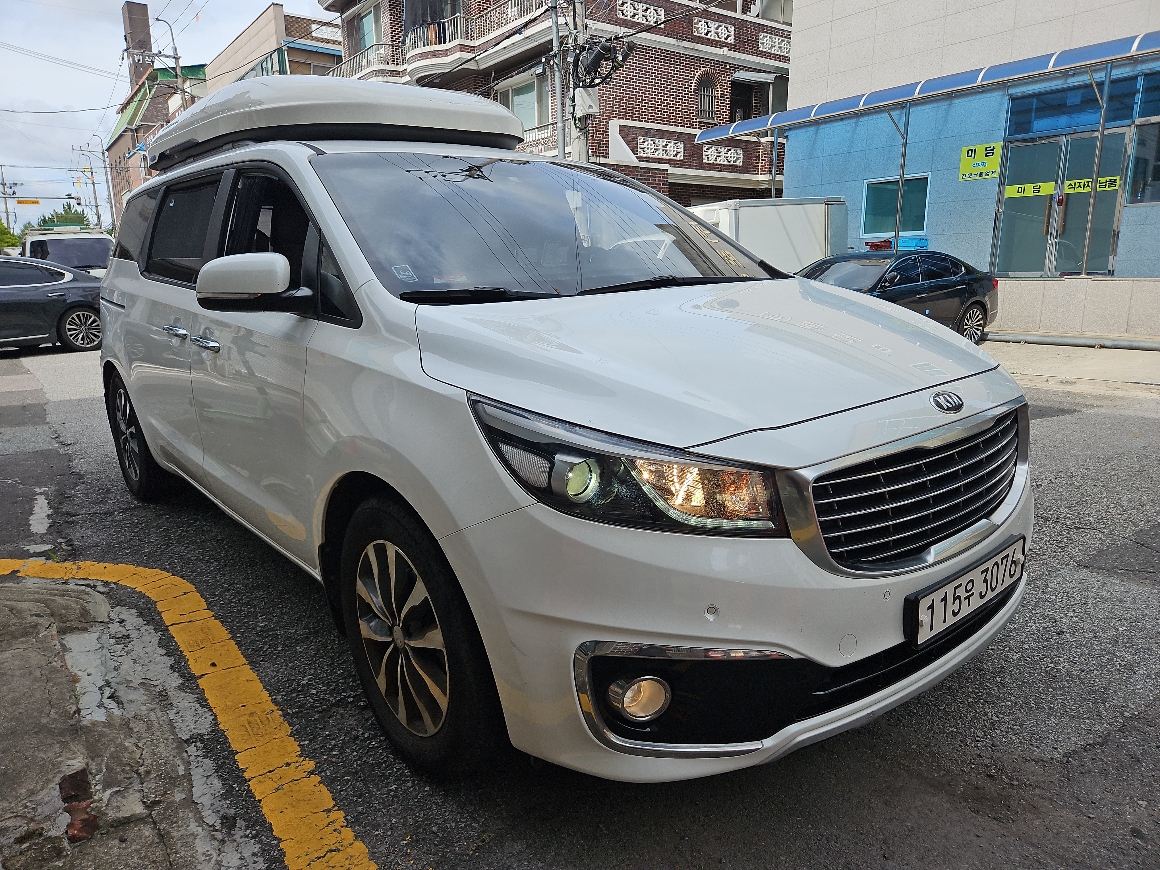
Several variables dictate your premium. Here’s what matters most:
Parts Availability. Hyundai Motor Group has a mature global parts network. Parts for the Hyundai Elantra or Kia Sorento are cheap and abundant. KG Mobility? Not as much. Niche parts mean higher repair costs for insurers, which they pass on to you.
Safety Technology. Hyundai Motor Company equips most models with its Hyundai SmartSense safety suite. Better safety scores directly reduce your liability premiums.
Theft Rates. Some older Kia models have experienced higher theft rates due to security vulnerabilities. This pushes up premiums for those specific model years.
Your Driving History. Importing a used car without an established US driving record can initially spike your rates. Most insurers will want a 3-5 year driving history from your home country.
How does my driver profile affect the premium on a Hyundai Sonata or Kia Sorento?
Your car choice matters. Your personal profile matters just as much.
Drivers under 25 with a Hyundai Tucson can pay up to $1,000–2,500 per year. A driver over 35 with a clean record in the exact same car? Probably around $700–1,100. Location also plays a massive role. Urban areas with high congestion drive rates up.
Here’s the kicker: importing a Korean used car without a long US credit and insurance history is an initial hurdle.
Most standard carriers see “no US history” as an elevated risk. This is where working with an experienced importer pays off. They often have relationships with carriers who specialize in imports.
Is it true that parts for Hyundai Motor Company models are harder to find in the US?
Not really — at least not for the popular models.
Hyundai Motor Company manufactures the Hyundai Sonata and Hyundai Tucson by the hundreds of thousands. The parts supply in the US is mature. You can walk into any major auto parts store and find a starter for a Hyundai Elantra.
The challenge comes with niche models from KG Mobility, or older rebadged vehicles. Also, high-performance N models from Hyundai Motor Group can have specific part delays.
The bottom line? Stick to mainstream models — like a Kia Sorento or Hyundai Elantra — and parts availability is a non-issue. This keeps your insurance costs predictable and low.
How much more does it cost to insure a Genesis Motor vehicle compared to a standard Hyundai?
Expect to pay 40% to 60% more for a Genesis.
Why such a jump? Let’s look at the Genesis G90. It’s a genuine competitor to the Mercedes S-Class. A single headlight assembly can cost over $1,500–2,500 to replace. Insurers know this, and they price the risk accordingly.
Hyundai Motor Company owns Genesis Motor, but the repair cost profile is pure luxury territory. If you are looking at a Genesis, get a specific insurance quote for the VIN before you finalize the import.
Expert Perspective — Why standard policies fail Korean import owners
I spoke with a specialist to get the inside story. Here is the single biggest piece of advice they shared:
This aligns perfectly with the warning about Genesis Motor I shared earlier. Standard policies are built for standard cars. Korean imports don’t always fit that mold.
Frequently Asked Questions
Are Korean cars more expensive to insure than Japanese cars?
Generally, no. A Hyundai Elantra is comparably priced to a Honda Civic to insure. The gap only appears when you compare luxury segments, like Genesis versus Lexus, where repair costs can vary significantly.
Does Hyundai Motor Group offer direct insurance?
No. Hyundai Motor Company does not offer direct insurance to consumers. They partner with standard carriers. You will still shop through traditional brokers like Geico, Progressive, or specialized import insurers.
What is the cheapest Korean car to insure?
Right now, the KG Mobility Tivoli holds the cheapest average rates, starting around $400–800 per year. For a more common car, the Hyundai Elantra is very affordable due to its high production volume and excellent safety ratings.
Do I need a specialized policy for a Kia Sorento?
Probably not. A standard policy from a major carrier is usually sufficient for a Kia Sorento. However, if you have an older model with a high theft risk, a specialized policy might offer better coverage terms.
How can I lower my insurance cost on a Hyundai Tucson?
Increase your deductible to $500–1,500. Bundle your auto policy with your home or renters insurance. Also, complete a defensive driving course — many insurers offer a discount for this.
Related Reading
– Best Korean Car Importers — Verified Companies
– Most Reliable Korean Car Brands Ranked
– Best Korean Used Car Export Sites
Last updated: May 02, 2026
Sourcing Korean stock for your next container? Tell us the destination port, the model year you are targeting and the spec, and we come back with matched units and a landed figure per unit. Start at SK AutoSphere, or browse the parts catalogue.