Importing Korean Vehicles Into Mozambique: Why Maputo Rejects Most Korean Stock
Mozambique looks like an obvious market for Korean used vehicles. The Port of Maputo sits on a deepwater channel that already handles vehicle cargo, Beira feeds three landlocked economies, and Nacala has the shortest sea distance from Asia of any port on the Mozambique Channel.
Then the first container is opened and the vehicle cannot be registered, because Mozambique drives on the left and almost every used Korean vehicle is built with the steering wheel on the left.
This single fact decides whether Mozambique is a market or a mistake, and it is the thing Korean-side agents are least likely to raise before a deposit moves.
The short version
- Korea’s domestic fleet is left-hand drive.
- The corridor is still worth understanding, because Mozambique’s ports serve markets that are not right-hand drive.
- For completeness, and for operators running mixed-origin fleets, the Mozambique process runs through a defined stack: Customs authority: the Autoridade Tributária de Moçambique (AT), through the Direcção Geral das Alfândegas.
- Importers spend a lot of energy on age limits and comparatively little on homologation.
The steering-wheel problem is structural, not procedural
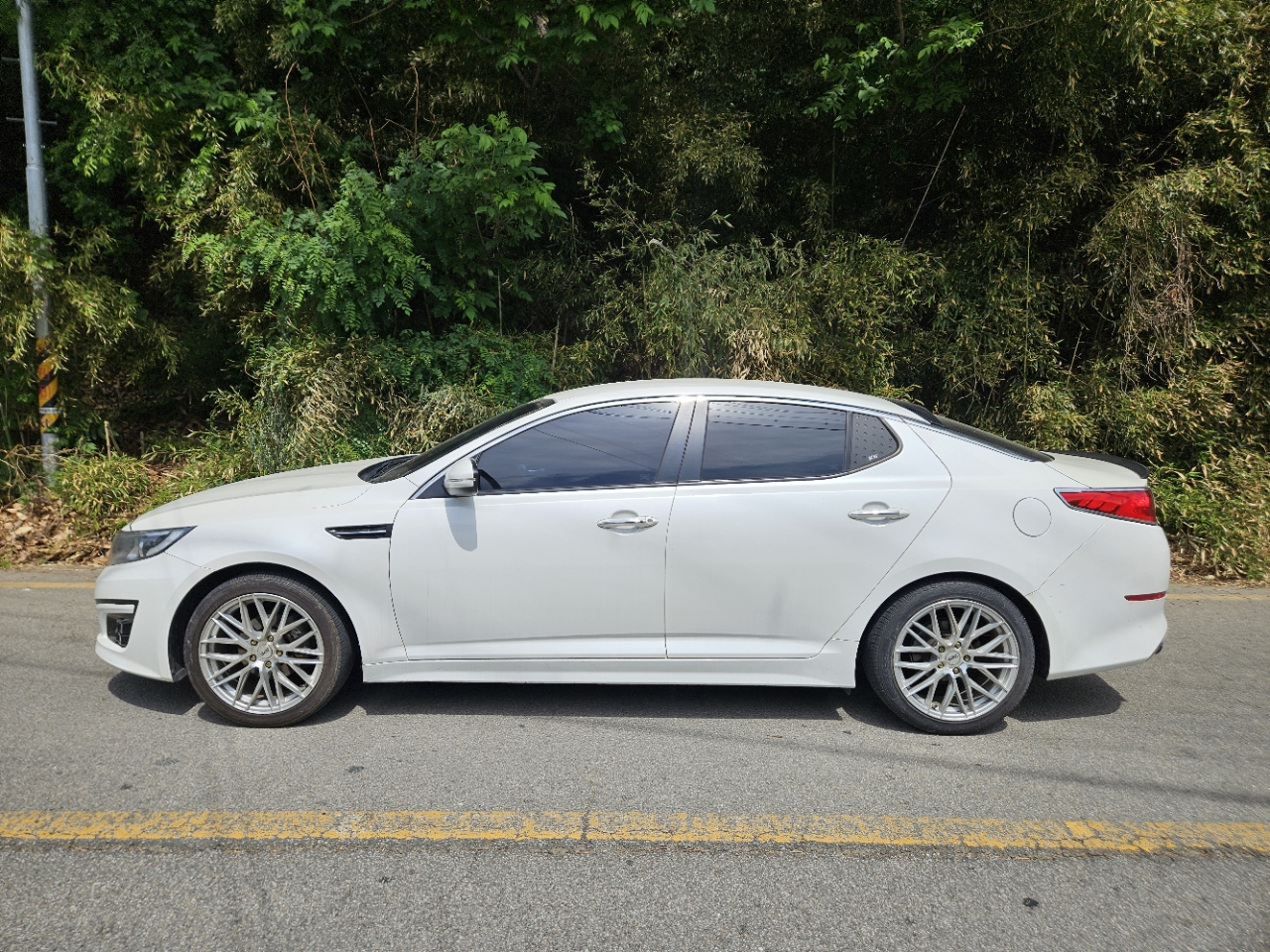
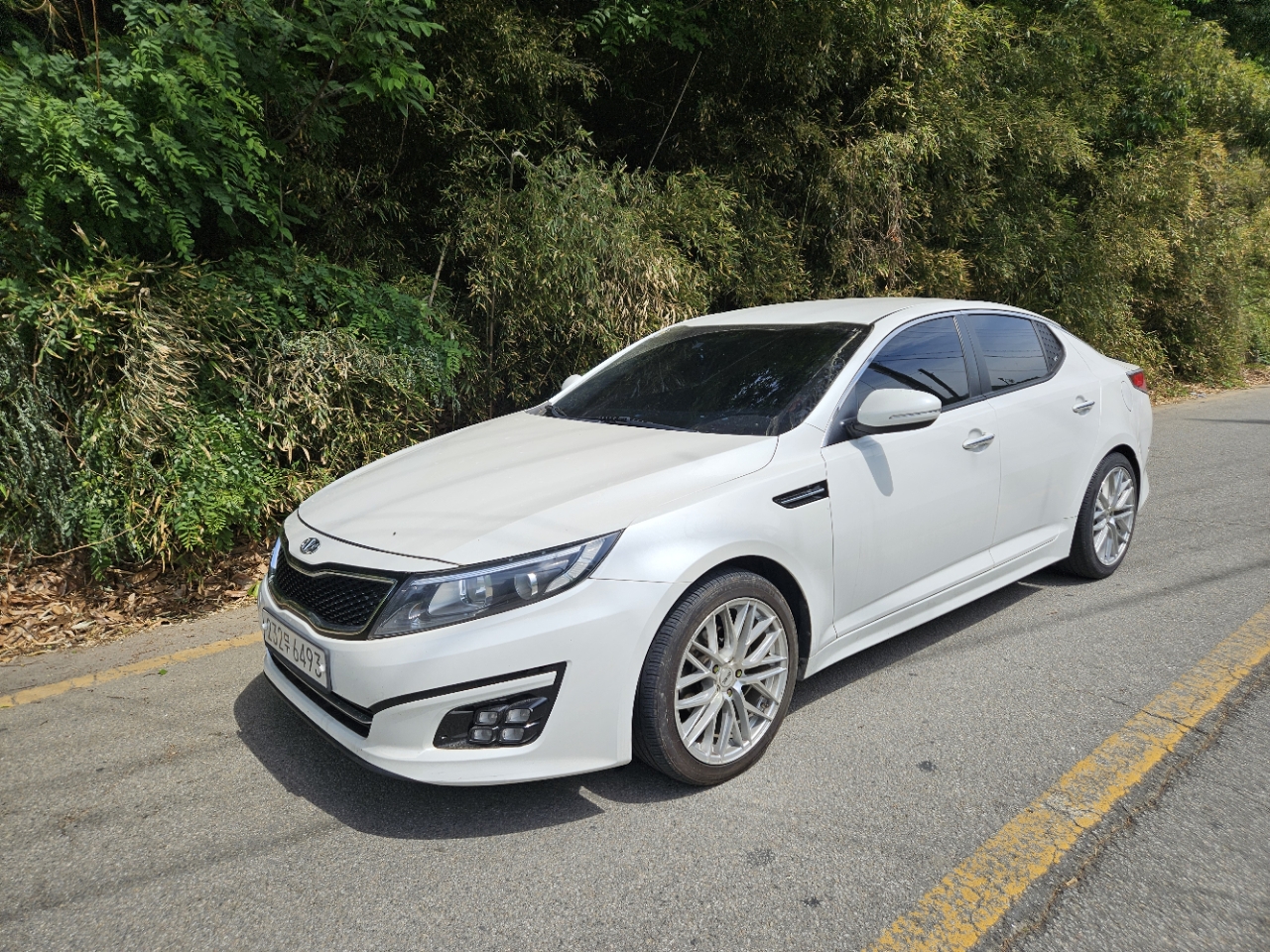
Korea’s domestic fleet is left-hand drive. The auction stock that African importers actually buy — the four-to-seven-year-old Hyundai Tucson NX4, Kia Sportage NQ5, Hyundai Grand Starex, Kia Carnival KA4 — was built for Korean roads and comes with the wheel on the left.
Mozambique, like Zimbabwe, Malawi, Zambia, Tanzania and Kenya, is a right-hand-drive jurisdiction inherited from the regional road system it shares with South Africa.
Hyundai and Kia do build right-hand-drive versions for export markets, but those units are sold new into the UK, Australia, South Africa and South East Asia. They enter the Korean domestic auction pool almost never, because they were never registered in Korea.
An agent quoting “Korean stock, right-hand drive” is either quoting a re-export of a used vehicle sourced elsewhere, or has not understood the question.
Mozambique’s national road traffic regulations do provide a conversion pathway in principle, but a converted vehicle needs an engineering certification the INATTER inspection regime has to accept, and the conversion cost on a modern unit with electric power steering, a driver-side airbag module and a left-biased HVAC and wiring loom is high enough that it destroys the arbitrage the buyer came for.
Treat conversion as a non-starter for volume trade.
Where Korean stock actually works in the Mozambique corridor
The corridor is still worth understanding, because Mozambique’s ports serve markets that are not right-hand drive. Beira, operated by Cornelder de Moçambique, is the sea gateway for Zimbabwe and Malawi — both right-hand drive, so no help.
But Nacala and Beira also feed transit cargo, and the port network as a whole competes with Dar es Salaam and Walvis Bay for landlocked traffic.
The practical conclusion for a Korea-sourcing operator is narrow but real: Mozambique is a destination for right-hand-drive stock sourced from Japan, Singapore or the UK, and a transit country for cargo that is not staying.
If your supply is Korean domestic auction stock, the Mozambique Channel ports are not your entry point. Walvis Bay, Matadi, Luanda, Cotonou, Lomé, Tema and Abidjan are, because those hinterlands drive on the right.
What the clearance actually involves, if you are shipping right-hand-drive units
For completeness, and for operators running mixed-origin fleets, the Mozambique process runs through a defined stack:
- Customs authority: the Autoridade Tributária de Moçambique (AT), through the Direcção Geral das Alfândegas.
- Single window: MCNet operates the Janela Única Electrónica. Declarations, permits and release move through this system, and a clearing agent without an active MCNet account cannot file for you.
- Charges: import duty per the Pauta Aduaneira tariff schedule, ICE (Imposto sobre Consumos Específicos) assessed by engine displacement, and IVA on top of the duty-inclusive value. The ICE band structure is what makes large-displacement units disproportionately expensive, so a 2.0 diesel Tucson lands very differently from a 3.5 petrol Carnival even at similar declared values.
- Inspection and roadworthiness: INATTER handles vehicle registration and the roadworthiness regime once the unit is cleared.
Verify the current tariff and ICE bands against the AT’s published schedule before you commit — Mozambique has revised both the IVA rate and the vehicle excise structure in recent budget cycles, and an agent quoting last year’s numbers is quoting a number that will not survive assessment.
The age question is secondary to the drive-side question
Importers spend a lot of energy on age limits and comparatively little on homologation. In Mozambique the sequence is the other way round: the vehicle either can be registered or it cannot, and only then does its age determine what it costs to bring in.
Confirm drive side against the chassis before anything else, because a left-hand-drive unit sitting at Maputo is not a duty problem, it is a re-export problem — and re-exporting a vehicle from a port where you cannot clear it means paying storage while you find a buyer in a right-hand jurisdiction that will take it.
Ask any Korean-side agent for the chassis number and the export deregistration reference before a deposit moves, and check the drive side independently. A chassis prefix and the original Korean registration are enough to establish it. That check takes an hour.
Discovering the answer at Maputo takes a month and a demurrage bill.
The one-line test before you buy
If the destination country drives on the left, Korean domestic auction stock is the wrong supply chain, full stop. Mozambique, Zimbabwe, Malawi, Zambia, Botswana, Namibia, Tanzania, Uganda and Kenya all fall on that side of the line.
Angola, the Democratic Republic of Congo, Benin, Togo, Ghana, Côte d’Ivoire, Senegal, Sierra Leone, Liberia, Cameroon and Nigeria do not. Build the target list from that division first, and the rest of the import problem becomes ordinary paperwork.
Sourcing Korean stock for your next container? Tell us the destination port, the model year you are targeting and the spec, and we come back with matched units and a landed figure per unit. Start at SK AutoSphere, or browse the parts catalogue.