Parts Depth Decides Resale: Checking Before You Import a Korean Model
An importer lands a well-chosen Korean unit at a good landed cost and cannot sell it, or sells it and gets it back as a complaint. The vehicle is fine.
The problem is that nobody in the market can get a wear part for it inside a reasonable time, and buyers know it.
Parts availability is the variable that separates a model that trades from a model that sits, and it is assessable before purchase rather than after.
The short version
- Resale confidence does not depend on exotic components.
- Three channels, and they behave differently: Official distributor networks.
- The single most useful structural fact for a Korean importer is how much is shared across the group’s platforms.
- The trap: a market has deep parts availability for the previous generation of a model, and an importer brings in the current one assuming that transfers.
The parts a used vehicle actually consumes
Resale confidence does not depend on exotic components. It depends on the routine ones being obtainable locally, quickly, at a sensible outlay:
- Brake pads and discs
- Filters — oil, air, fuel, cabin
- Suspension bushes, links, shock absorbers, wheel bearings
- Belts, tensioners and water pumps
- Clutch assemblies on manual units
- Alternators, starters, batteries
- Radiators, condensers, cooling fans
- Lighting units, mirrors, and the common bodywork panels
- Sensors — oxygen, ABS, crank and cam position
A model with deep availability of that list is a model a buyer will pay for. A model where a wheel bearing means a special order from abroad is a model that trades at a discount.
Where availability actually comes from
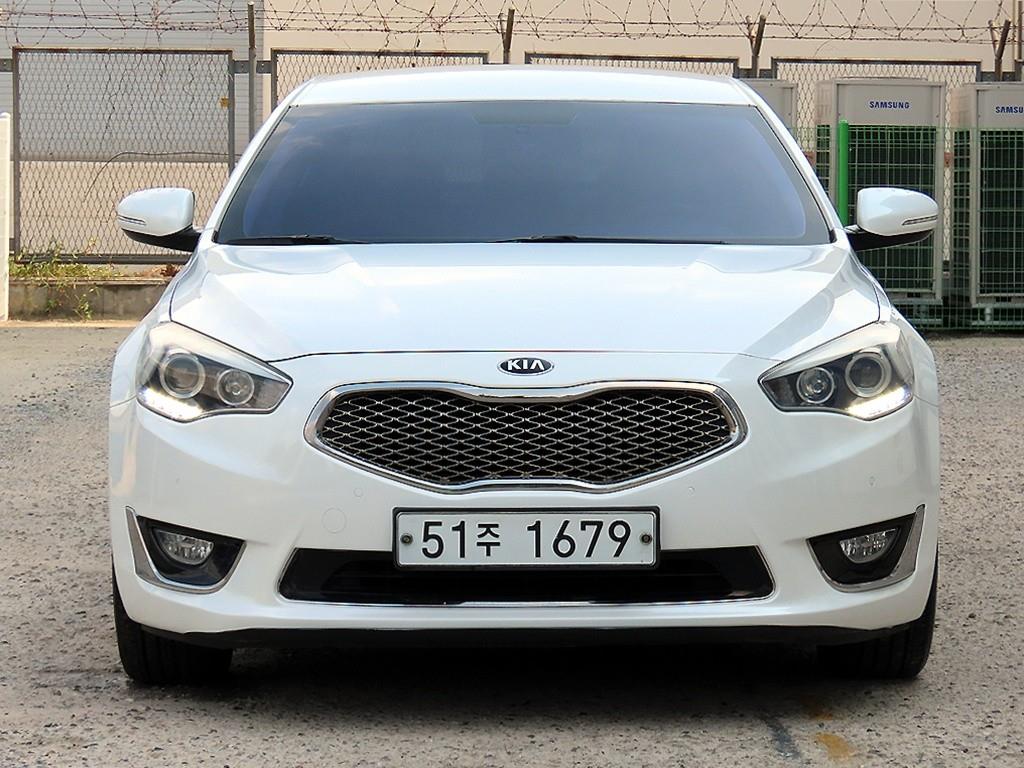
Three channels, and they behave differently:
Official distributor networks. Hyundai and Kia have distributor representation across much of Africa, and where the model was sold new in that market, the parts channel exists with catalogued availability. Slower and dearer than the alternatives, but reliable.
The independent aftermarket. The main channel in practice. Depth here is driven almost entirely by installed base — parts suppliers stock what sells, and what sells is what is already on the road in numbers.
Used and dismantled parts. In markets with an established breaking trade, this is a large and fast channel, and its depth also follows installed base.
The common factor is installed base. That gives a directly usable rule: models already present in the destination in volume have parts; models that are new to the market do not, however good the vehicle is.
The commonality advantage inside the Hyundai-Kia range
The single most useful structural fact for a Korean importer is how much is shared across the group’s platforms.
The Tucson and Sportage are siblings. The Santa Fe and Sorento are siblings. The Elantra, Avante, K3 and Ceed families share substantial content. Engine families — the Gamma, Nu, Theta and R series — run across many models and multiple generations.
Suspension components, bearings, filters and cooling parts are frequently shared across the pairs and across generations.
So an importer who has established that Tucsons are well supported in a market has, to a significant degree, established the same for Sportages.
That commonality is a genuine competitive advantage of sourcing within one manufacturer group rather than spreading across brands, and it is worth building the model list around deliberately.
Where the new-generation gap bites
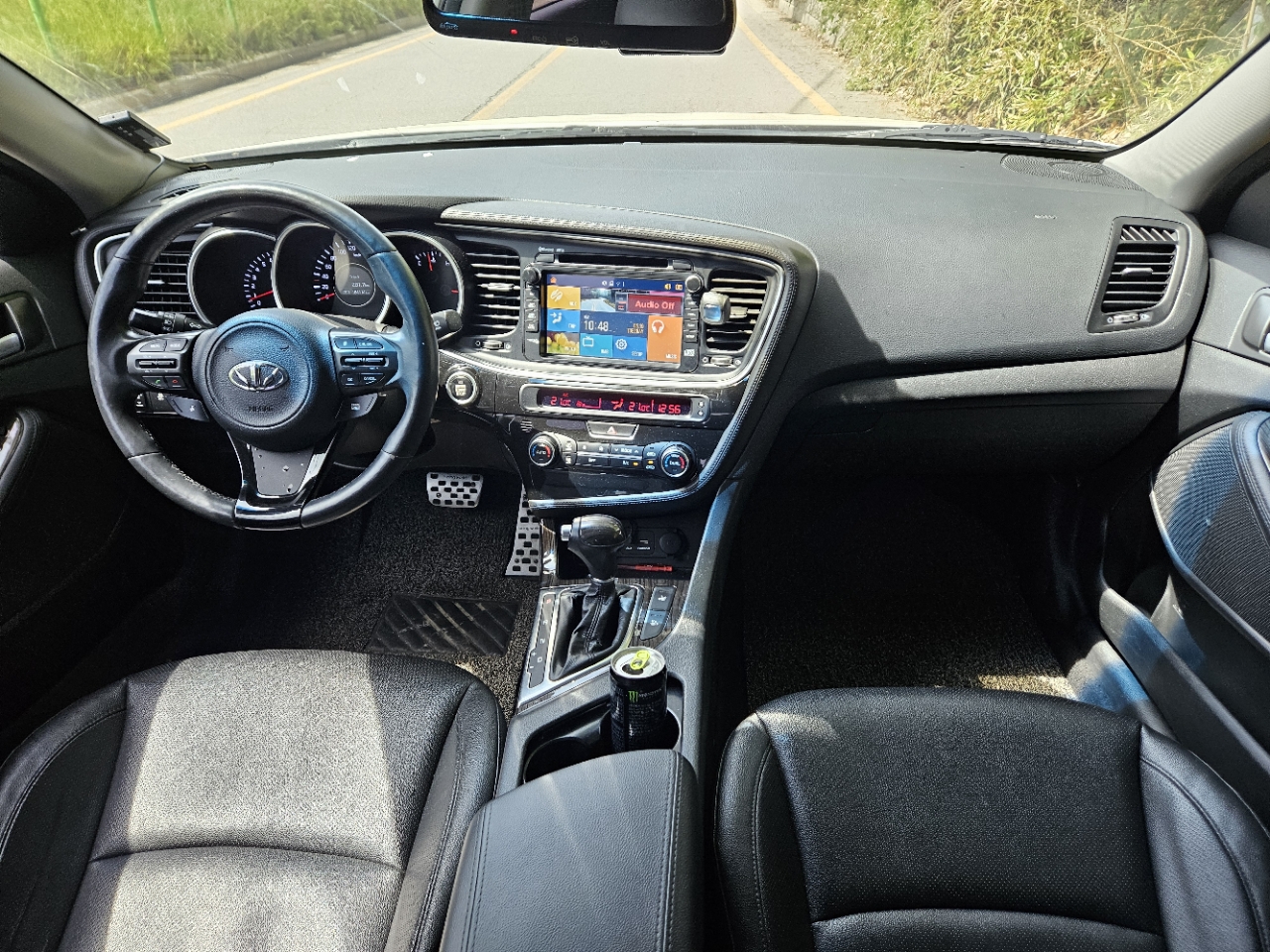
The trap: a market has deep parts availability for the previous generation of a model, and an importer brings in the current one assuming that transfers.
It partly does — many wear items carry over — and it partly does not. A generation change frequently brings a new platform, revised suspension geometry, different sensors, new lighting units and different body panels.
The parts that carry over are the ones nobody worries about; the ones that change are often the ones a vehicle needs.
The specific pairs to check carefully on current Korean supply: Tucson TL against NX4, Sportage QL against NQ5, Santa Fe TM against MX5, Sorento UM against MQ4, Carnival YP against KA4, Avante AD against CN7.
The commercial vehicles are the strongest position
The Hyundai Porter and Kia Bongo light trucks, and the County and Combi minibuses, occupy a different position.
Where these have been present in a market for years in working fleets, the parts trade around them is deep, cheap and fast — because a commercial vehicle off the road costs its owner money daily, and a supply chain forms around that urgency.
For an importer serving working-vehicle demand rather than private buyers, this is a substantial advantage and it is worth verifying explicitly, because it also varies sharply by market.
How to check, in an afternoon
Before committing to a model for a market:
- Ask three independent parts suppliers in the destination whether they stock a front wheel bearing, a set of front pads and an oil filter for that specific model and generation. Name the generation code, not the model name.
- Ask what the lead time is if they do not have it on the shelf.
- Ask a workshop whether they see the model, and whether they have the diagnostic coverage for it.
- Check the used-parts trade — whether anyone is breaking that model locally is the fastest indicator of installed base.
- Confirm whether the model was sold new in that market by the official distributor, which tells you whether a catalogued channel exists at all.
Five questions, answered by people who have no reason to mislead you, and the answer is usually unambiguous.
What to do with the answer
Where parts depth is good, that is a selling point and it should be used as one — a buyer choosing between two vehicles will take the one they know they can maintain.
Where it is thin but the model is otherwise right, the workable response is to import the parts alongside the vehicles: a stock of the routine wear items, correctly declared and classified on their own tariff headings, moving in the same container.
That turns a weakness into a second revenue line and gives the buyer a reason to come back.
What does not work is importing a model into a market that cannot maintain it and discovering the problem through returns. That is a lesson paid for one vehicle at a time, and it is entirely avoidable with an afternoon of phone calls.
Sourcing Korean stock for your next container? Tell us the destination port, the model year you are targeting and the spec, and we come back with matched units and a landed figure per unit. Start at SK AutoSphere, or browse the parts catalogue.