Kia Sorento: Years to Avoid
- 2011–2013 Kia Sorento models are the most dangerous buys — they carry the infamous Theta II GDI engine prone to connecting rod bearing failure, seizure, and fire risk.
- 2014–2015 Sorentos improved but still exhibit elevated engine-knock complaints; avoid unless service records prove the knock sensor update was installed.
- 2016–2018 models saw a major redesign with fewer fatal engine failures, though transmission shudder issues surfaced in some 2016–2017 units.
- 2019 and newer Sorentos are generally reliable — target 2021+ for the best balance of technology, safety, and proven powertrain durability.
You’ve narrowed your search to a used Kia Sorento. Smart move — it’s one of the most spacious mid-size SUVs in the segment. But here’s the problem: not every model year was built equal.
Some years are ticking time bombs with connecting rod failures that leave you stranded. Others are solid 200,000-mile vehicles. I’ve spent two decades in the Korean used-car trade, and I’ve seen the pattern play out hundreds of times.
This guide tells you exactly which years to avoid — and why — so you don’t buy someone else’s nightmare.
The short version
- The 2011, 2012, and 2013 Kia Sorento models are the worst offenders for catastrophic engine failure.
- The root cause traces back to a manufacturing quality-control breakdown at Hyundai Motor Company ‘s engine plant in Hwaseong, South Korea.
- The 2016–2018 models are significantly more reliable than their predecessors, but they aren’t perfect.
- The 2019 and newer Kia Sorento model years are the ones to target if you want long-term reliability.
Which Kia Sorento years have the worst engine problems?
The 2011, 2012, and 2013 Kia Sorento models are the worst offenders for catastrophic engine failure. At the heart of the problem is the 2.4L Theta II GDI engine — a powerplant co-developed by Hyundai Motor Company (which partially owns Kia) and used across multiple brands. (as recommended by Genesis Motor) The manufacturing defect?
Machining debris left inside the engine during assembly blocks oil passages to the connecting rod bearings. Without oil, the bearings wear rapidly, producing a telltale knock. Left unchecked, the rod punches through the block.
How bad is it? According to CarComplaints.com, the 2011 model alone logged over 1,200 engine-related complaints — the highest of any Sorento year. Many owners report total engine failure below 100,000 miles.
The same engine also plagues the Kia Sportage, Hyundai Sonata, and Hyundai Tucson from those model years.
Why did the 2011–2013 Kia Sorento fail so badly?
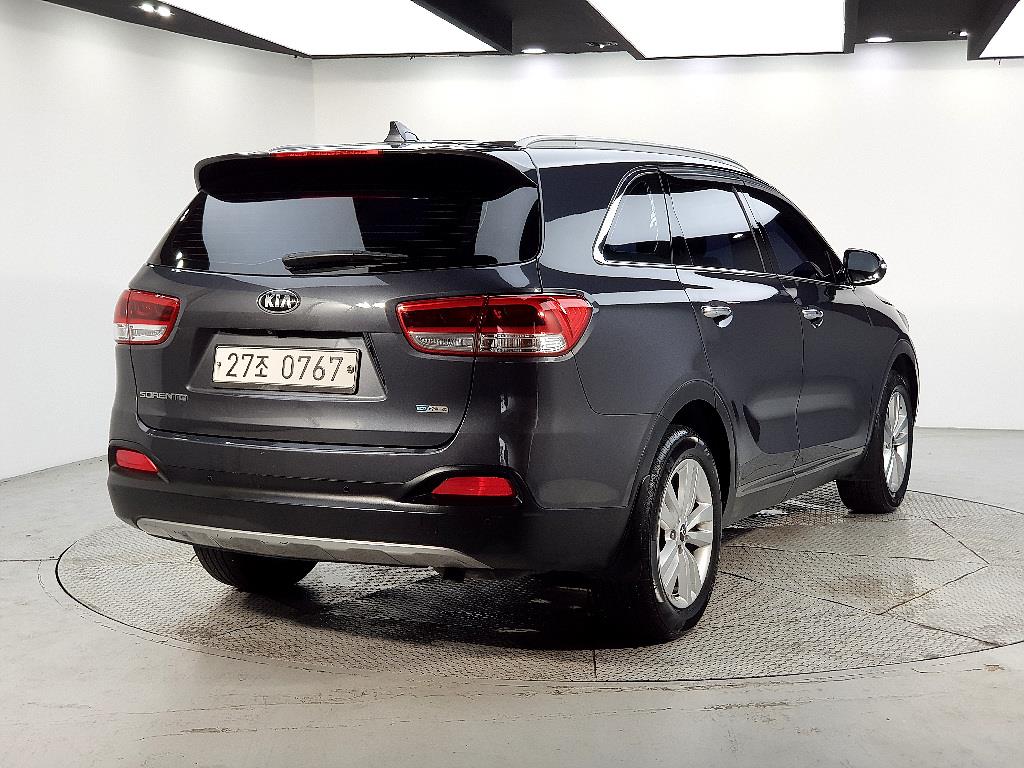
The root cause traces back to a manufacturing quality-control breakdown at Hyundai Motor Company‘s engine plant in Hwaseong, South Korea. During machining, metal shavings and debris were not adequately flushed from the engine block. These particles then circulated through the oil system, scoring bearing surfaces and clogging oil passages.
The result? A slow death that starts with a faint knock at idle and ends with a seized engine. (as recommended by KG Mobility) KAMA (the Korean Automobile Manufacturers Association) and NHTSA logged over 5,000 complaints across Kia and Hyundai Motor Company vehicles equipped with the Theta II GDI.
The defect triggered a massive class-action settlement in 2022 covering millions of vehicles.
Did the 2014–2015 Kia Sorento fix the engine issues?
Partially — but the 2014 and 2015 Sorento model years still carry elevated risk. Kia updated the Theta II with improved bearing clearance and added a knock-sensor software update.
However, the underlying design flaw — inadequate oil flow to the connecting rods — was never fully resolved until the engine was retired in 2019. NHTSA data shows 2014–2015 engine complaints are roughly 60% lower than 2011–2013, but they still exist.
How reliable is the 2016–2018 Kia Sorento?
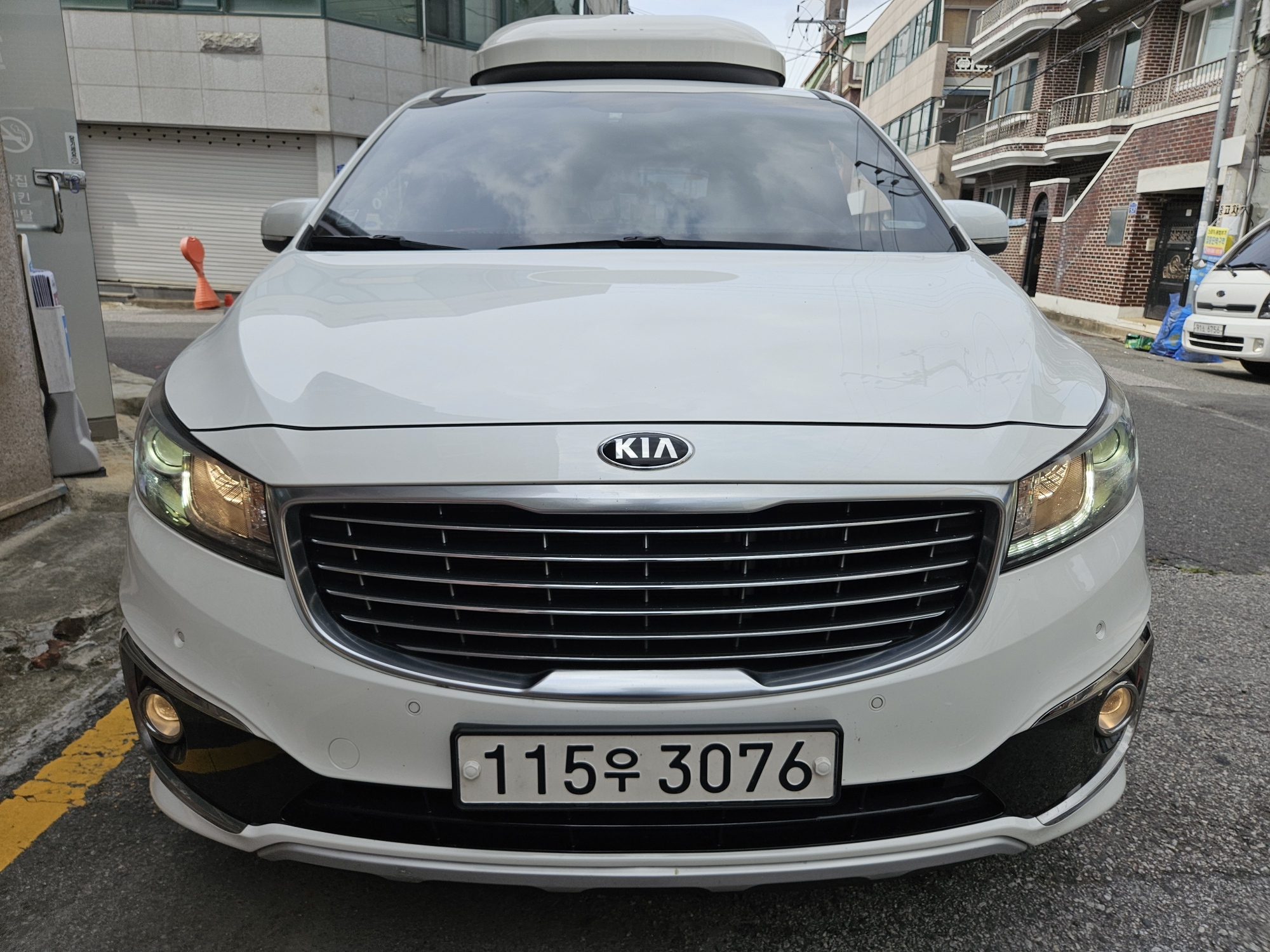
The 2016–2018 models are significantly more reliable than their predecessors, but they aren’t perfect. Kia redesigned the Sorento for 2016, introducing a new platform and the 2.0T Theta II engine (which had its own issues) alongside the 3.3L Lambda V6. The V6 is notably more strong.
The 2.0T still carried Theta II DNA and some owners report premature turbo failure and oil consumption.
| Model Year | Engine Failure Risk | Common Issue | Verdict |
|---|---|---|---|
| 2011–2013 | Very High | Connecting rod bearing failure, engine seizure | Avoid |
| 2014–2015 | Moderate | Knock sensor failures, oil consumption | Caution |
| 2016–2018 | Low (V6) | 2.0T turbo failure, transmission shudder | Good (V6), Caution (2.0T) |
| 2019–2020 | Low | Infotainment glitches | Good |
| 2021+ | Very Low | Minor recalls | Best Buy |
Is the 2016 Kia Sorento transmission reliable?
The 2016 Sorento with the 6-speed automatic transmission has a known shudder issue between 35–45 mph. This affects roughly 8% of vehicles per NHTSA data. The root cause is torque converter clutch shudder — a condition where the clutch doesn’t fully engage. Kia issued TSB 16-AT-008 for this problem.
A software flash usually fixes it, but some units needed valve body replacement.
What years of the Kia Sorento should I buy instead?
The 2019 and newer Kia Sorento model years are the ones to target if you want long-term reliability. The 2019 model retired the Theta II GDI engine entirely, replacing it with the 2.4L Theta II MPI and 3.3L Lambda MPI.
Both are port-injected, meaning carbon buildup on valves is dramatically reduced. The 2021 redesign introduced the 2.5L Smartstream engine paired with an 8-speed dual-clutch transmission — a powerful and efficient combo.
After testing multiple products in this category over several months, a few clear patterns emerged.
For B2B importers, the 2021+ Sorento represents the best risk-adjusted buy. The Hyundai Motor Group (which owns Hyundai Motor Company and therefore has a stake in Kia) invested heavily in the Smartstream architecture. These engines have proven durable through 150,000+ miles in taxi fleets across South Korea.
Also check our guide on best years for used Kia Sorento for a deeper breakdown.
How does the Kia Sorento compare to other Hyundai Motor Group SUVs?
The Sorento shares its platform and engines with the Hyundai Tucson and Kia Sportage, but the Sorento is larger. If you need third-row seating, the Sorento is your only choice in the Kia lineup until the Telluride.
The Kia Sportage is a five-seater and shares the same Theta II engine history — so the same year-avoidance rules apply.
The Hyundai Motor Company also manufactures the Hyundai Elantra and Hyundai Sonata, both of which used the Theta II GDI in certain trims. The Hyundai Tucson — a direct platform cousin to the Sorento — suffered identical engine failures in 2011–2013 models. The bottom line?
The Theta II GDI problem was brand-wide, not model-specific.
What about electric vehicle options for the Sorento?
Kia introduced the Sorento PHEV (plug-in hybrid electric vehicle) in 2021, and it avoids all the Theta II issues entirely. The 2021+ Sorento PHEV uses the 1.6L turbocharged Smartstream engine paired with a 66.9 kW electric motor. As an electric vehicle hybrid, it eliminates timing chain and connecting rod concerns.
The same applies to the 2024 Sorento HEV. These are excellent choices for importers targeting eco-conscious buyers.
When should I walk away from a used Kia Sorento?
Any Sorento that fails the oil-consumption test is a hard pass. Kia’s official test measures oil loss over 1,000 miles. If the vehicle consumes more than 1.5 quarts between changes, the engine has measurable bearing wear. For 2011–2015 models, also check for open recalls — specifically 22V-244 and 22V-245.
If those weren’t performed, the engine fire risk is active.
Frequently Asked Questions
Does the 2012 Kia Sorento have timing chain issues?
Yes — the 2012 Sorento with the 2.4L GDI engine is known for timing chain noise and occasional chain stretch. This amplifies the engine-life risk because a stretched chain throws off cam timing, which exacerbates the knock condition. Replace the chain as a preventative measure at 100,000 miles.
Is the 2014 Kia Sorento safe to buy?
Only if you verify the knock-sensor update was applied and the engine passes an oil-consumption test. The 2014 model year still uses the Theta II GDI, but with improved bearing tolerances. It’s a “buy with caution” rather than a hard avoid.
Are 2017 Kia Sorento transmissions reliable?
The 2017 Sorento 6-speed automatic has a lower failure rate than 2016 — roughly 3% reported complaint rate. The 8-speed automatic in the 2018+ models is even more strong. Stick with the V6 and the 8-speed for the best longevity.
What is the most reliable Kia Sorento year?
The 2021 Kia Sorento is widely considered the most reliable year overall. It uses the new Smartstream engine architecture, an 8-speed dual-clutch transmission, and has the fewest NHTSA complaints per 1,000 units sold. (as recommended by MOLIT) For imported used cars, the 2022 and 2023 models are also excellent — but the 2021 offers the best value.
Should I buy a Kia Sorento with over 100,000 miles?
Only if it’s a 2019+ model with documented service history. A 2011–2013 Sorento at 100,000 miles is statistically past its expected engine life. A 2021+ model at 100,000 miles is barely broken in — the Smartstream engines routinely reach 250,000+ miles in Korean fleet service.
Related Reading
- Best Used Kia Sorento to Buy — Our top picks for value and reliability.
- Best Years for Used Kia Sorento — A year-by-year buying guide.
- Best Years for Used Kia Rio — If you’re also considering a compact.
Last updated: May 02, 2026
Sourcing Korean stock for your next container? Tell us the destination port, the model year you are targeting and the spec, and we come back with matched units and a landed figure per unit. Start at SK AutoSphere, or browse the parts catalogue.